


At A Glance
- Palma Old Town holds the highest concentration of good restaurants, and almost all of them sit within a fifteen-minute walk of each other.
- Book two to three days ahead for anywhere with a terrace between June and September. Walk-ins work at the old cellers and bodegas, rarely anywhere else.
- Dinner service starts late. Kitchens open around 8pm and fill after 9.30pm. A 7.30pm table usually means an empty room.
- Two people eating well spend roughly €60 to €90 at a mid-range Old Town restaurant, and €30 to €45 at a traditional celler.
- Santa Catalina is the best single neighbourhood for modern cooking, about twenty minutes on foot from the cathedral.
Palma supports two distinct dining scenes. The first is built around the cruise terminal and the airport transfer, with multilingual menus and photographs of paella displayed along the pavement. The second is where Mallorcan families still eat on a weekday evening, where the wine list is predominantly local and the fish arrives from the boats at Portixol. The second is the one worth planning a trip around, and it is not difficult to reach. It begins a few streets back from the main squares. Tasting Palma is based at Casa Roca on Calle Hostals, in the centre of the Old Town, and most of the restaurants listed here are within a short walk of the door.
These are sit-down restaurants rather than counters, grouped by neighbourhood, with what to order and roughly what it costs. A standing vermut and a plate of anchovies is a different evening, and the best tapas bars in Palma Old Town have their own list. The dishes themselves, the markets and the drinking culture around them sit in the wider Palma food guide.
How To Choose The Best Restaurants In Palma De Mallorca
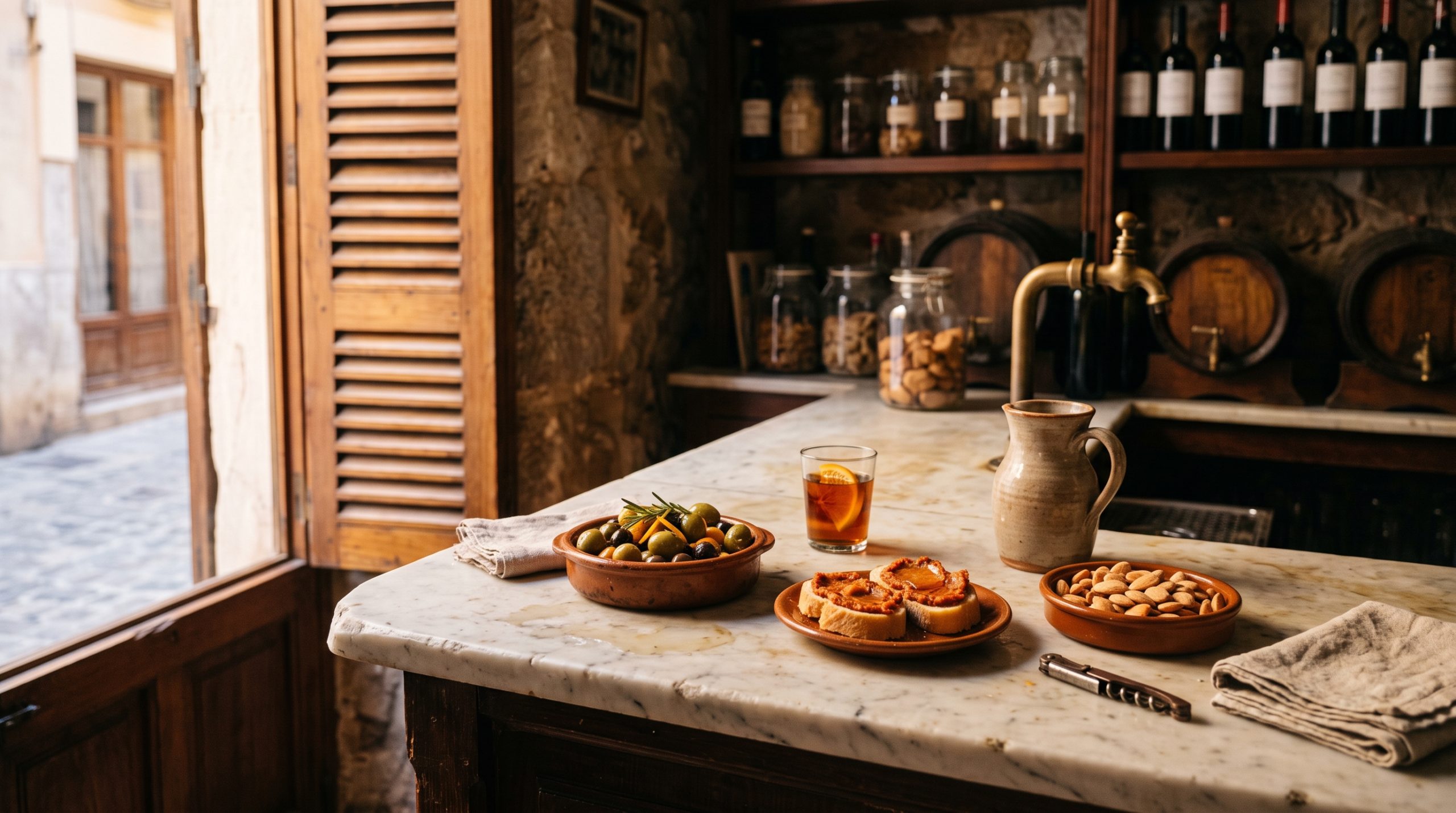
Palma is small enough to walk across in half an hour, which makes neighbourhood the most useful filter. The Old Town holds the historic cellers, the Michelin kitchens and most of the wine bars, all packed into a grid of lanes behind the cathedral. La Llotja, the old merchants’ quarter by the seafront, is where you go for seafood and for the late crowd. Santa Catalina, twenty minutes west, has the concentration of young chefs and open kitchens. The marina strip along Moll Vell trades a little cooking for a lot of view.
Season matters more than most visitors expect. Between June and September the good rooms are full, terraces are booked out days in advance, and several family-run places close for two or three weeks in August. From November to March the same restaurants are half empty, cheaper, and considerably more pleasant, and a few close on Sundays and Mondays altogether.
| Neighbourhood | Best for | Walk from the cathedral | Typical dinner for two |
|---|---|---|---|
| Old Town | Traditional cellers, fine dining, wine bars | 0–10 min | €30–€150 |
| La Llotja | Seafood, late tables, terraces | 5–10 min | €60–€110 |
| Santa Catalina | Modern cooking, open kitchens, market bars | 20 min | €60–€120 |
| Moll Vell marina | Seafront dining, sunset tables | 10–15 min | €80–€140 |
Best Restaurants In Palma Old Town
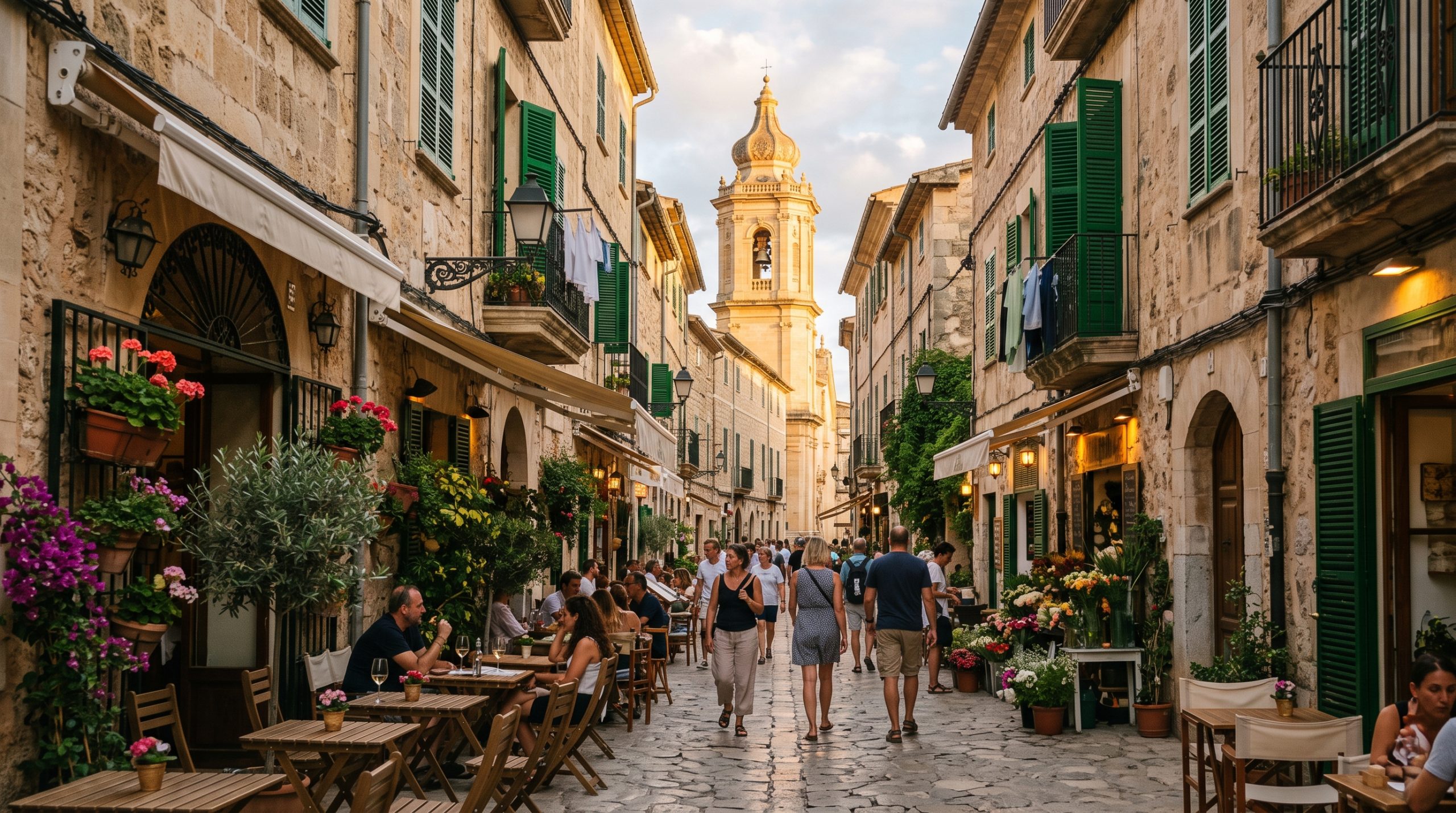
The Old Town holds the highest concentration of restaurants in the city, and it is the district we know best, because it is where we work. Within ten minutes of Calle Hostals you can take a three-hundred-year-old breakfast, a traditional Mallorcan lunch and a Michelin-starred dinner, and walk between all three. These four are the ones we recommend most often.
1. Ca’n Joan de s’Aigo
Founded around 1700, Ca’n Joan de s’Aigo is the oldest café in Palma and the correct place to start any eating trip to the city. It began by selling ice pressed from the snow houses of the Serra de Tramuntana, which the founder mixed with fruit juice to make something close to the island’s first ice cream. Almond ice cream came next, then drinking chocolate, then ensaïmades, and the menu has not moved far since.
Order the thick hot chocolate with a plain ensaïmada and tear the pastry into it. The marble tables, the tiled floor and the glass cabinets are the point as much as the food. The original room is on Carrer de Can Sanç 10, a few steps behind the church of Santa Eulàlia, and there are further branches on Carrer del Sindicat and Carrer del Baró de Santa Maria del Sepulcre. The Sindicat branch is the closest to us. The pastry has its own history and its own set of bakeries, set out in where to find the best ensaïmada in Palma.
2. Celler Sa Premsa
A celler is a Mallorcan institution that barely exists anywhere else: a cavernous dining room lined with enormous wine vats, serving the island’s home cooking at prices that have not caught up with the rest of the city. Sa Premsa, near Plaça d’Espanya, is the best known of the survivors, with bullfighting posters on the walls and long communal tables filled at lunchtime.
This is where to eat the dishes that do not appear on tourist menus. Arròs brut, the brothy Mallorcan rice with rabbit and offal. Frit mallorquí, potatoes and liver and peppers fried hard together. Tumbet, the layered summer vegetable dish. Portions are generous, service is brisk, and two people can eat well with wine for under €50. Lunch is the stronger service here.
3. Marc Fosh
Marc Fosh holds a Michelin star and sits inside the Convent de la Missió hotel on Carrer de la Missió 7A, a quiet street a few minutes north of Plaça Major. The dining room is a converted seventeenth-century convent, all white stone and high ceilings, opening onto a courtyard that is the best warm-evening table in the Old Town.
The cooking is modern Mediterranean built on island produce rather than imported luxury, and the set lunch menu is one of the genuine bargains in Palma fine dining. Book at least a week ahead in summer, longer if you want the courtyard. This is the restaurant to choose if you have one expensive dinner in the trip and want it to taste of Mallorca rather than of anywhere.
4. Fera
Fera sits on Carrer de la Concepció 4, just off the Born, in a restored townhouse with a courtyard garden. The kitchen builds on Mediterranean foundations with Middle Eastern and Asian technique, and the combination is more coherent than the description suggests. The dining room is one of the better-looking spaces in the city, and there is a separate bar if you want to eat lightly.
Go for the tasting menu if you are committing, or sit in the garden for lunch and order three or four plates between two. It is expensive without being excessive, and it is one of the few kitchens in the Old Town that is ambitious without being formal. Book ahead, as the courtyard tables are taken first.
Book A Table Like These
We walk these streets every week. Our small-group food tour takes in the Olivar Market and the Old Town counters, with more than a dozen tastings and the producers behind them.
Book A Palma Food TourFrom €85 · 4 hours · Max 10 guests
Restaurants In Palma Old Town Near La Llotja

La Llotja takes its name from the fifteenth-century merchants’ exchange on the seafront, and the quarter behind it has been feeding sailors and traders for six centuries. It is five minutes downhill from the cathedral, it is where the city eats late, and it holds the densest run of seafood restaurants in Palma.
5. La Bóveda
La Bóveda is the classic of the quarter: a narrow room with a vaulted ceiling, stone floors, hams overhead and bottles racked to the roof. It has been doing the same thing for decades and has not been softened for visitors, which is why it stays full of locals.
Eat at the counter if there is room. Order pulpo a la gallega, croquetas de bacalao, fried squid and a tortilla, and drink the house white. Expect €20 to €30 a head. The room is small and noisy, and it remains one of the most enjoyable dining rooms in the city.
6. El Camino
El Camino, on Carrer de Can Brondo, was opened by a co-founder of Barrafina in London and brought a very specific discipline with it: a counter, an open plancha, a short daily menu chalked up, and no reservations for the bar. It produces some of the most accomplished cooking in the Old Town, and the queue that forms from 8pm reflects that.
This is counter dining at the higher end rather than an inexpensive evening. Scallops are around €23 for four and carabineros around €33 for two, so two people ordering freely will spend roughly three times what they would at a celler. Arrive at opening or after 10.30pm, sit at the plancha, and ask what arrived that morning.
7. Neo Cultural
Neo Cultural on Carrer de la Boteria 8 is the quieter and more considered option in a lively quarter. The format is tasting menus of modern Mallorcan cooking in a small room, with a kitchen that leans on island producers and changes the menu with what is available rather than with the calendar.
It suits a longer dinner where the food is the evening rather than the backdrop to it. Numbers are small, so it books out early in summer. If you want to understand what young Mallorcan chefs are doing with the island’s own ingredients without paying Michelin prices, this is the clearest place to see it.
Santa Catalina Palma Restaurants

Santa Catalina was a fishermen’s quarter until the 1990s and is now the densest concentration of good kitchens in Palma. The municipal market at its centre is the reason: chefs shop there in the morning and cook it the same night. It is about twenty minutes on foot west of the cathedral, and the walk is worth doing in the evening. The market stalls, the variat counters and the neighbourhood bars are set out in the full Santa Catalina food guide.
8. Vandal
Vandal sits on Plaça del Progrés 15, at the centre of the neighbourhood, and cooks a genuinely international menu that moves between Asia and Latin America without settling anywhere for long. The room is dark, busy and designed, and the plates are built for sharing across the table.
Order four or five plates between two and add more as required. It is the Santa Catalina restaurant most likely to appeal to guests who associate island cooking only with rabbit and rice, and it is reserved well in advance on Friday and Saturday.
9. Patrón Lunares
Patrón Lunares on Carrer de la Fàbrica 30 draws on the quarter’s fishing history, with nets, timber and maritime salvage across a large, informal room. It is among the most atmospheric dining rooms in Santa Catalina and one of the few that suits both a long lunch and a late dinner.
The cooking is seafood-led and straightforward, built around the day’s market. It suits a group, as the menu is broad and the room is lively enough to absorb a larger table. Reserve for weekend evenings.
10. Sumaq
Sumaq is Peruvian, which in Palma is less of a detour than it sounds: the island’s produce suits ceviche, and the acidity works in the heat. It is a small, disciplined kitchen that has maintained its reputation for years while more fashionable openings nearby have come and gone.
Begin with the ceviches and tiraditos and build from there. It is the strongest option in Santa Catalina on a warm evening, and the wine list carries more Mallorcan bottles than the cuisine would suggest.
Palma Marina Restaurants And Seafront Dining
The stretch along Moll Vell, the old commercial quay below La Llotja, has been rebuilt as a restaurant strip. The trade-off is worth understanding: part of the price covers the water, the masts and the sunset, and the cooking is generally a step below the Old Town at comparable prices. One restaurant justifies it.
11. Mar de Nudos
Mar de Nudos sits on the Moll Vell with the boats directly outside and splits itself between a Mediterranean kitchen and a Japanese one. The dual format works, largely because the raw fish is handled with genuine care.
Take a terrace table an hour before sunset, order from the Japanese side, and drink a Mallorcan white. It is the most expensive option covered here and the one where the setting forms part of the cost, but on a calm evening in May or September it is difficult to better.
What The Best Restaurants In Palma Cost
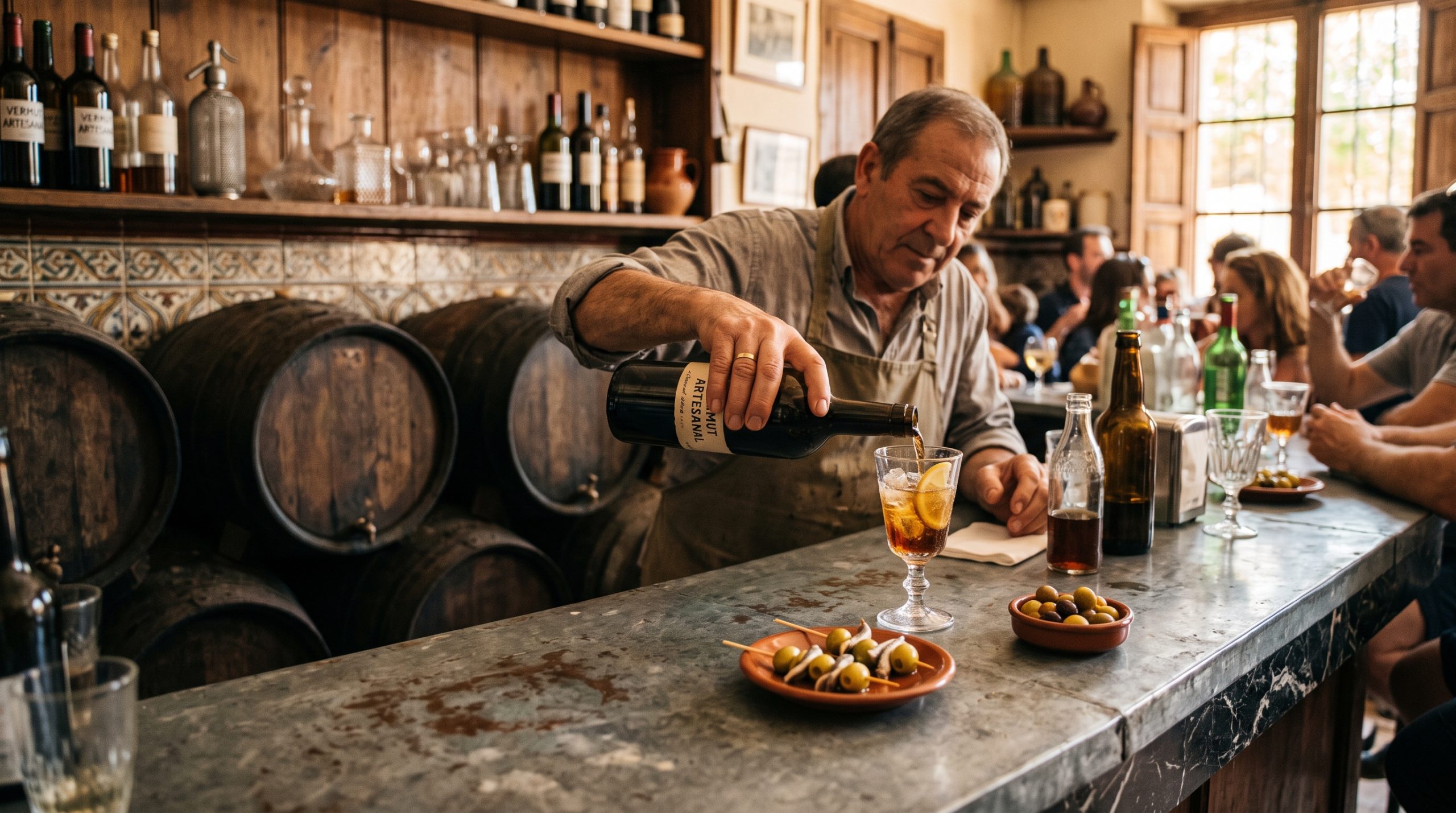
Palma has become more expensive quickly, and the gap between the traditional rooms and the new ones is now very wide. These figures are brackets rather than quotes, and they assume two people eating a full meal with a drink each.
| Restaurant | Neighbourhood | Bracket | Dinner for two |
|---|---|---|---|
| Ca’n Joan de s’Aigo | Old Town | Cheap | Under €20 for chocolate and pastries |
| Celler Sa Premsa | Plaça d’Espanya | Cheap to mid | €35–€50 |
| La Bóveda | La Llotja | Mid | €40–€60 |
| Sumaq | Santa Catalina | Mid | €60–€90 |
| Patrón Lunares | Santa Catalina | Mid | €60–€90 |
| Vandal | Santa Catalina | Mid to high | €70–€110 |
| Neo Cultural | La Llotja | High | €90–€140 |
| El Camino | Can Brondo | High | €90–€140 |
| Fera | Old Town | High | €120–€180 |
| Mar de Nudos | Moll Vell marina | High | €120–€180 |
| Marc Fosh | Old Town | Fine dining | €160–€250 |
Three Ways To Eat Well For Less In Palma
- Eat your big meal at lunch. The set menú del día runs on weekdays at a fraction of the evening carte, and that includes several kitchens on this list.
- Choose a celler over a restaurant once. The same money buys twice the food and the cooking is older than anything else in the city.
- Drink Mallorcan. Island wine by the glass is usually cheaper and almost always more interesting than the peninsular bottles on the same list.
How To Book Restaurants In Palma Old Town
Booking in Palma follows a rhythm that catches visitors out every summer. The kitchens run late, the good tables go early, and August thins out the options without warning.
Step 1. Book two to three days ahead, a week for fine dining
From June to September that is the realistic window for any restaurant with a terrace. Marc Fosh and Fera need longer, particularly for courtyard tables. La Bóveda and the cellers still take walk-ins if you arrive when they open.
Step 2. Book the right time, not the time you would book at home
Kitchens open around 8pm and rooms fill after 9.30pm. Lunch runs from 1.30pm to about 4pm. A 7.30pm table gets you an empty dining room and a kitchen that has just started.
Step 3. Check August and check Mondays
Family-run places often close for two or three weeks in August, and Sunday and Monday closures are common year-round. Confirm directly rather than trusting a listing.
Eat And Drink With A Local In Palma Old Town
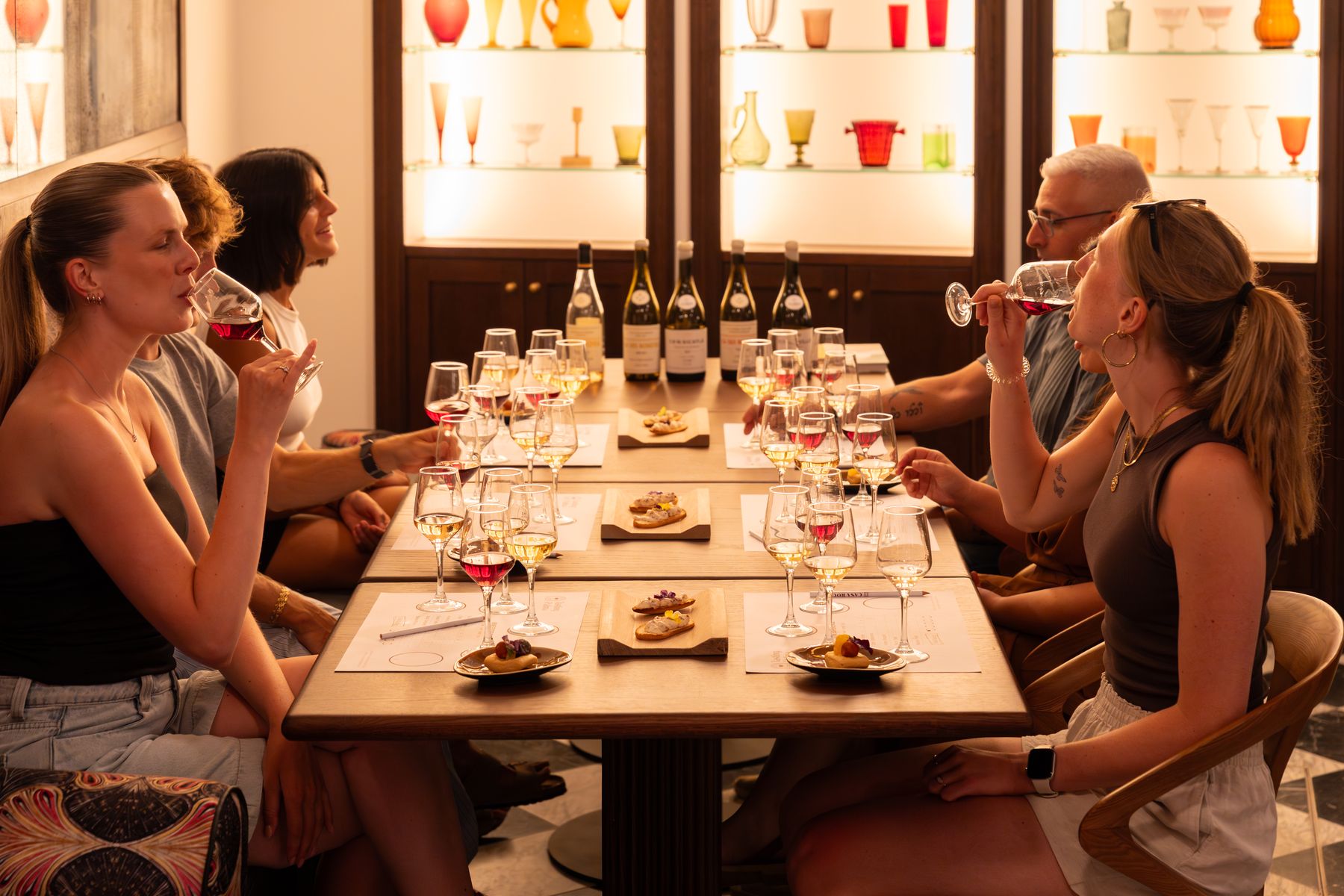
A restaurant list gets you fed. It does not explain why Mallorcan wine tastes the way it does, or why every counter in the Old Town has sobrasada on it. That is what we do at Casa Roca, on Calle Hostals, a few minutes from most of the restaurants above. Our tastings and market tours are small, they run in English and Spanish, and they are led by the people who buy from these producers every week.
Inside A Tasting Palma Experience
Eat The Old Town With Someone Who Lives In It
A small-group food tour through the Olivar Market and the Old Town, with more than a dozen tastings across four hours and the producers behind them.
From €85 · 4 hours · Max 10 guests · See all experiences
For shopping rather than sitting down, the Mercat de l’Olivar guide covers Palma’s largest covered market, where most of these kitchens buy their fish and produce in the morning.
What We Tell Guests About Eating In Palma
From The Tasting Palma Table
Guests arrive at Casa Roca with a shortlist and, almost without exception, the same three questions. Is it too early to eat? Do we need to reserve? Are we seeing the visitor version of the city or the resident one?
The answers are that it is almost certainly too early, that reserving is advisable, and that the distance between the two versions of the city is roughly three streets. Walk one block back from any square with a menu board in four languages and prices fall, Mallorcan returns to the room, and the wine list becomes shorter and considerably better. That single adjustment accounts for most of the difference.
One further recommendation: order what is not available at home. Paella is ordered constantly and is not a Mallorcan dish. Arròs brut, frit mallorquí and a properly made tumbet are, and they are ordered far less often. Ask what the kitchen is proud of rather than what the menu leads with, and the answer is usually the dish the family has cooked longest.
Frequently Asked Questions
Where Do Locals Eat In Palma?
Mallorcan families eat at the old cellers and bodegas of the Old Town, at the market bars in Santa Catalina and at the neighbourhood restaurants away from the cathedral and the seafront. Celler Sa Premsa and La Bóveda are the two most reliably local rooms on this list. The clearest signal is the clock: if a dining room is busy with Spanish voices at 10pm, it is a local restaurant.
What Is The Best Restaurant In Palma De Mallorca?
For a special dinner, Marc Fosh, for modern island cooking in a seventeenth-century convent with a Michelin star behind it. For the best value meal in the city, Celler Sa Premsa, where two people eat traditional Mallorcan food with wine for under €50. Those two answers cover most visits.
Are There Michelin Star Restaurants In Palma?
Yes. Marc Fosh, DINS Santi Taura and Zaranda all hold a Michelin star within the city. Several further starred restaurants sit elsewhere on Mallorca, including in Es Capdellà and Llucmajor, so check the location before booking if you are staying in Palma without a car.
What Time Do Restaurants In Palma Open For Dinner?
Most kitchens open around 8pm and the rooms fill between 9.30pm and 10.30pm. Lunch runs roughly 1.30pm to 4pm and is the busier service at the traditional cellers. Arriving at 7.30pm usually means an empty dining room.
Do You Need To Book Restaurants In Palma Old Town?
Between June and September, yes, two to three days ahead for anywhere with a terrace and a week for fine dining. The cellers and the older bodegas still take walk-ins, particularly at lunch. Out of season a day’s notice is usually enough.
How Much Does Dinner Cost In Palma?
Two people eating a full meal with a drink each spend roughly €35 to €50 at a traditional celler, €60 to €110 at a mid-range Old Town or Santa Catalina restaurant, and €160 upwards at a Michelin-starred kitchen. Eating the main meal at lunch cuts the same food considerably.
What Are The Best Restaurants In Santa Catalina Palma?
Vandal on Plaça del Progrés for international sharing plates, Patrón Lunares on Carrer de la Fàbrica for seafood in the old fishing-quarter setting, and Sumaq for Peruvian ceviche. All three sit within a few minutes of the municipal market, about twenty minutes on foot from the cathedral.
Leave a Reply