

At A Glance
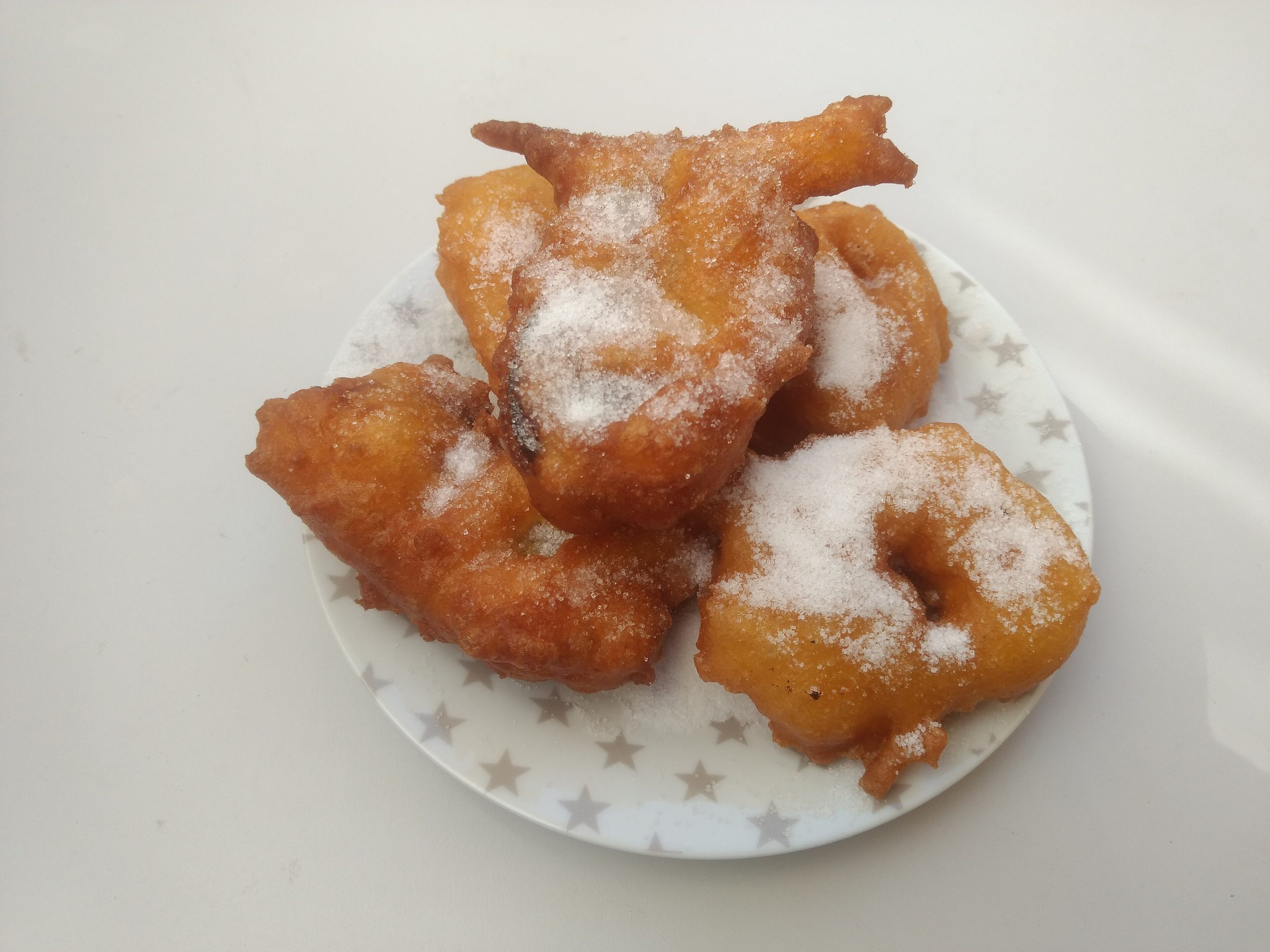
Bunyols are Mallorca’s autumn fritters, eaten for Les Verges on 21 October and sold in Palma until All Saints on 1 November.
- Mallorcan bunyols are made from a yeasted potato or sweet potato dough, fried in a ring and rolled in sugar.
- Les Verges, the feast of Santa Úrsula, falls on 21 October; the night before is the Nit de les Verges.
- Tots Sants on 1 November is a public holiday, with panellets, sugar rosaries and roast chestnuts.
- Bunyol stands and bakeries in Palma usually trade from late September to the first week of November.
- Our tasting room at Casa Roca, Calle Hostals 27, is a few minutes’ walk from the Old Town bakeries.
Every October the same question comes up at our tasting table: what are the sugary rings piled up in every bakery window in Palma? They are bunyols, and for about six weeks of the year they are the most talked-about food on the island. The same forns that bake the island’s famous pastry, the ones we cover in our round-up of the best ensaimada in Palma, switch their fryers on in late September and keep them going until the start of November.
Bunyols belong to a short run of autumn feast days that matter a great deal to Mallorcans. Les Verges on 21 October is the day they are eaten above all others, and All Saints on 1 November brings its own sweets: panellets, sugar rosaries for children and paper cones of roast chestnuts. Halloween now sits in between, so the last week of October in Palma mixes old island customs with pumpkins and costume parties. It is one of the best times of year to taste traditional Mallorcan food at the moment it is actually being made.
We spend this season walking guests past the same counters, from the fritters at the Mercat de l’Olivar to the panellet trays in the Old Town pastry shops. The bunyol season is short, the best stands are run by families rather than shops, and the traditions behind it are older than most visitors expect, so it pays to know where to go and when.
Want to taste Palma’s seasonal bakery sweets with someone who knows the counters? Our small-group food tour stops at Old Town bakeries and markets.
See the food tourWhat Are Bunyols? Mallorca’s Autumn Potato Fritters
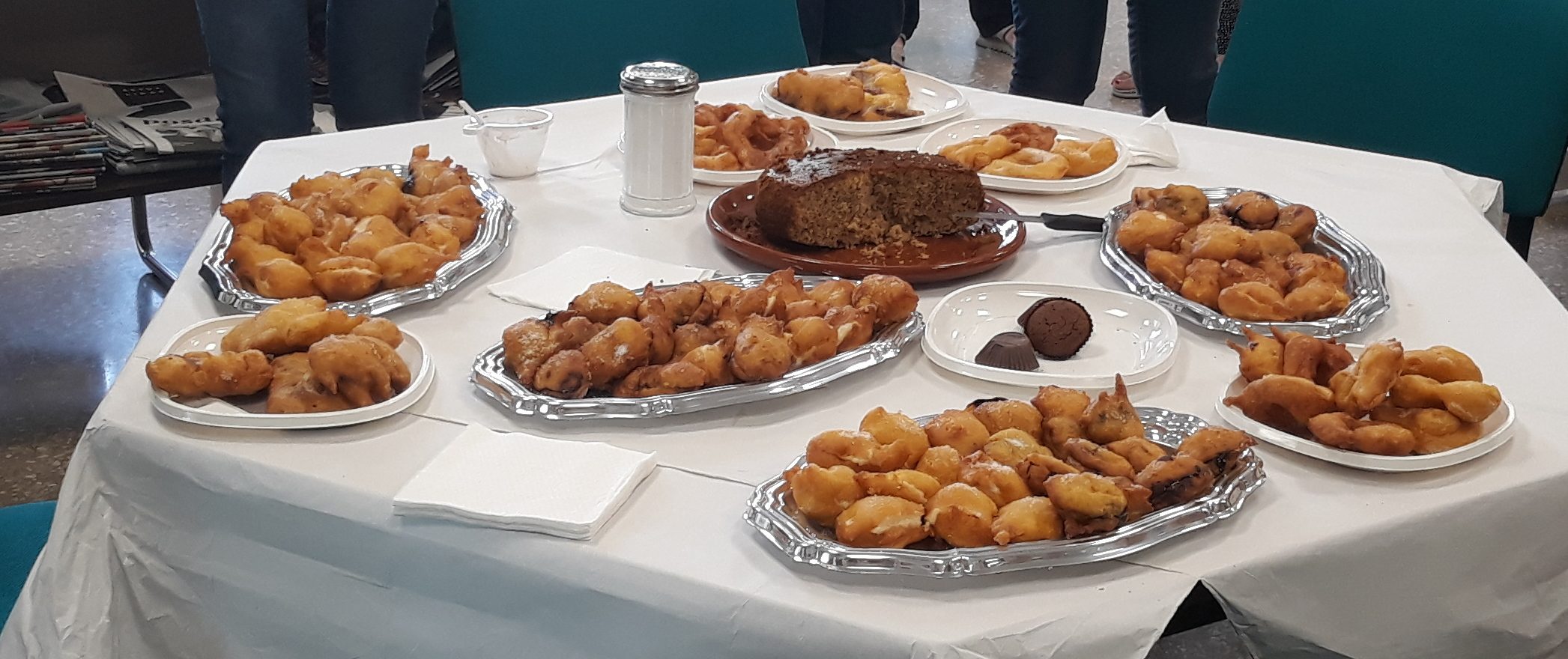
Bunyols are fried dough rings, a little like a light doughnut, made from a yeasted dough that includes cooked potato, sweet potato or both. The potato is what makes the Mallorcan version different from the fritters eaten elsewhere in Spain. It gives the dough a soft, slightly chewy centre and a crisp, uneven outside that holds a thick coat of sugar. A classic home recipe uses roughly equal weights of flour, potato and sweet potato, with fresh yeast, a few eggs and a splash of water.
The shape is the giveaway. Each bunyol is pulled into a ring by hand, with a hole poked through the middle by a floured thumb before it goes into hot oil. Getting that hole right takes practice, and the cooks who sell them from garages and street stands every autumn are proud of how evenly theirs puff up. Some fry in sunflower oil, others insist on olive oil only, and the difference shows in the colour and the flavour.
Bunyols are sold by weight rather than by the piece at most stands, usually in quarter, half and full kilo bags. They are at their best within an hour or two of frying, still warm, when the sugar has just started to melt into the crust. By the next morning they are heavier and chewier, which is why Mallorcans tend to buy small amounts often during the season rather than one big bag.
The word itself has a second life in Mallorcan Catalan. Calling something a bunyol means it came out badly, a botched job or a mess, so “fer un bunyol” is to make a hash of something. It is a running joke at the stands, because a well-made bunyol is anything but.
Les Verges: Why Mallorca Eats Bunyols on 21 October
Les Verges is the feast of Santa Úrsula on 21 October, and it is the day bunyols are eaten above all others in Mallorca. The name refers to the legend of Úrsula, a Christian princess said to have travelled to Rome with eleven thousand virgins as her companions. On the return journey the whole party was killed at Cologne, and Úrsula, who refused to marry the leader of the Huns, was shot with an arrow. The feast and the legend spread across medieval Europe, and in Mallorca the day became known simply as Les Verges, the Virgins.
The night before, 20 October, is the Nit de les Verges, and that is where the bunyols come in. Young men used to gather under the windows and balconies of the women they were courting and sing serenades. A woman who welcomed the attention would light a lamp or come to the window and hand down bunyols and a glass of sweet wine. It was a public, musical way of saying yes, and it made bunyols the sweet of courtship on the island.
The serenades are now rare, though some towns and groups have revived them in recent years. What has survived is the giving. Families still buy bunyols for the girls and young women in the house on 21 October, and in many Mallorcan schools boys bring the girls in their class a carnation and are given a bunyol in return. In practice everyone eats them, and the stands do their best trade in the days either side of the feast.
For visitors, Les Verges is a good excuse to try the real thing at its peak. The queues at the best-known stands are longest on the weekend before 21 October, and the fryers are going from late morning until the evening. If you are in Palma that week, follow the smell of hot oil and sugar and you will not be far from a stand.
How To Eat Bunyols in Mallorca
There is no single correct way to eat a bunyol, but there are a few traditional ones, and each stand or family has its favourite. The simplest is straight from the bag while still warm, with the sugar rolling off onto your coat. That is how most people eat them at the stands, standing up, a paper bag in one hand.
How Mallorcans Eat Bunyols
- Hot and sugared: rolled in caster sugar straight out of the oil, eaten within the hour.
- With honey: drizzled over a warm plate of bunyols, a popular home version.
- Dipped in hot chocolate: thick drinking chocolate, the same pairing Mallorcans use with ensaïmada.
- With sweet wine: a small glass of moscatel-style wine, the old Nit de les Verges pairing.
- With café con leche: for breakfast or the late-afternoon berenar.
Hot chocolate is the pairing we recommend most to guests who want the full experience. The bunyol soaks up the chocolate without falling apart, and the sugar crust keeps it from turning soggy. Several Old Town cafés serve thick chocolate through the autumn, and a plate of bunyols beside it is about as Mallorcan as an October afternoon gets.
Coffee is the everyday pairing. A café con leche or a cortado with two bunyols is a standard merienda in the season, and it is a combination we talk about on our speciality coffee tasting in Palma, where we pair island roasts with local sweets. The slight bitterness of a good espresso cuts through the sugar better than a milky coffee.
A practical point: bunyols travel badly. If you want to take some back to your hotel or apartment, buy them last thing, keep the bag open so the steam can escape, and eat them the same day. They do not freeze or reheat well, and a microwave turns them rubbery within seconds.
Where To Buy Bunyols in Palma
Bunyols in Palma come from three kinds of seller. There are the seasonal stands and garages run by families who fry only in autumn, there are bakeries that add bunyols to their counter for a few weeks, and there are market stalls. The stands are where the most loyal queues form, and the market is the easiest place to find them if you are already in the Old Town. Opening dates and hours change slightly every year, so check before you make a special trip.
1. Bunyols Cati, Carrer Emili Darder Batle
Bunyols Cati is one of the best-known names in Palma, sold from a converted garage on Carrer Emili Darder Batle 15. It has opened from around September until the first week of November in recent seasons, with a late-morning session and an evening session, typically from 11:00 to 13:30 and from 17:00 to 20:30. The bunyols are fried in sunflower oil and sold by weight, from a quarter kilo bag upwards.
The garage setting is part of the appeal. This is a family operation rather than a shop, the queue is mostly local, and on the weekend before Les Verges it can stretch along the pavement. Go early in a session, when the first batches come out of the oil, and bring cash in case.
2. Forn Ca na Teresa, Mercat de l’Olivar
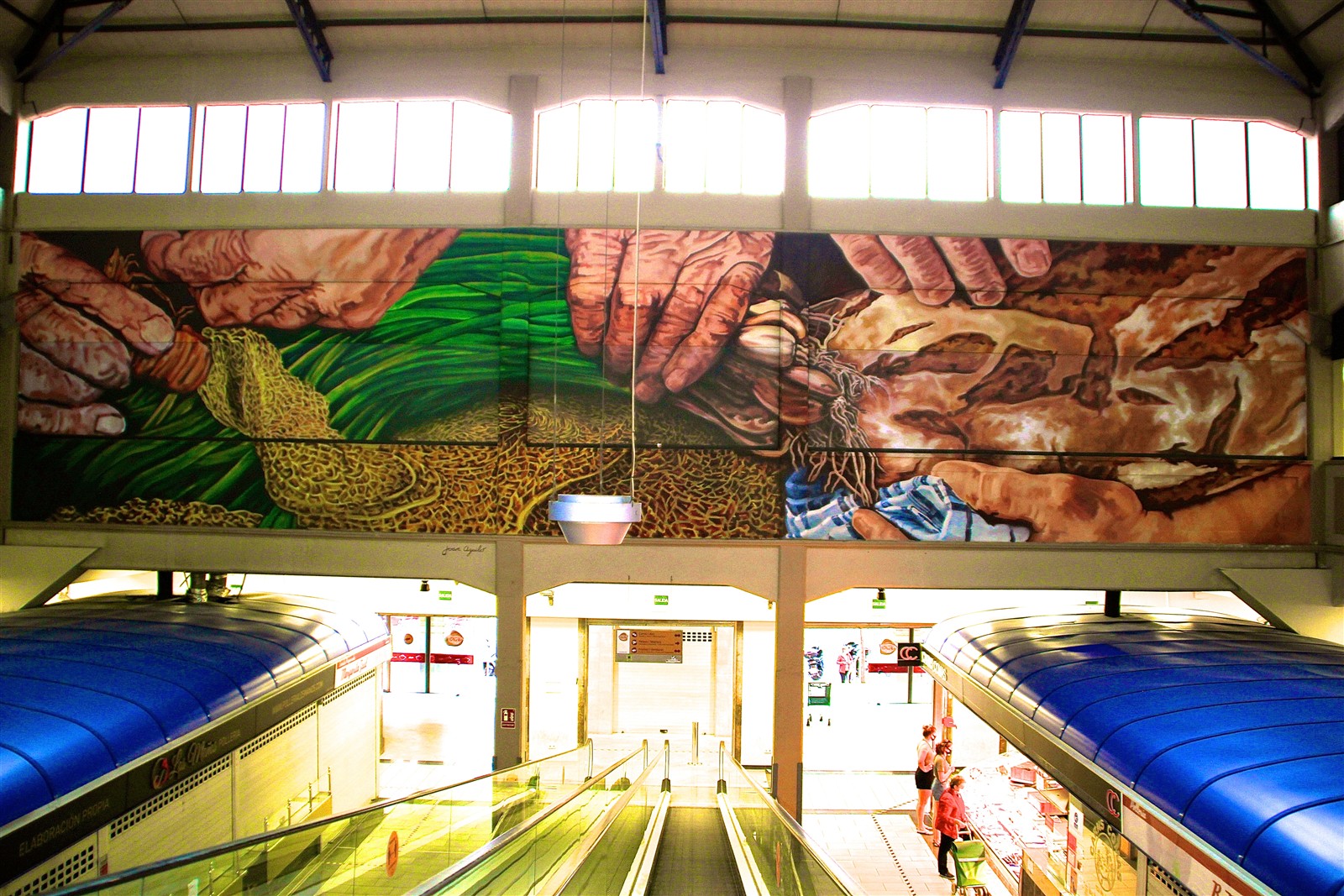
The Ca na Teresa bakery chain runs a stall inside the Mercat de l’Olivar, Palma’s main covered market, and bunyols join its counter in the autumn. They are sold singly as well as by weight, which makes this a good place to try one or two before committing to a bag.
The market location is the real advantage. You can pick up bunyols on a morning visit, wander the produce and fish halls, and eat them with a coffee at one of the market bars. The Olivar is also one of the stops on our Palma food tour, which works through more than a dozen tastings across the Old Town’s markets, bodegas and bakeries. The market trades Monday to Saturday and is closed on Sundays, so plan around that if you are visiting at the start of November.
3. Pastisseria Àngel, Carrer Pasqual Ribot
Out in the Ponent district, away from the tourist streets, the bakery on Carrer Pasqual Ribot has been producing daily since 1981 and makes its bunyols by hand. It is better known for its ensaïmadas, but its autumn bunyols have a steady local following.
It is a short taxi or bus ride from the Old Town, which keeps it quiet compared with the central stands. If you are already making the trip for ensaïmadas, it is the most efficient place to buy both in one stop.
4. Bunyols Bonissíms Stands
Bunyols Bonissíms sets up seasonal stands in some of Palma’s busiest shopping spots, including outside El Corte Inglés on the Avingudes, at the Carrefour on General Riera and at the FAN shopping centre. These are the easiest stands to find if you are not in the Old Town, and the turnover means the bunyols are usually fresh.
The stands keep longer hours than the family garages, which suits an afternoon of shopping. They are a reliable option rather than a pilgrimage, but a fresh bag from a busy stand is still a very good bunyol.
5. Neighbourhood Forns and Markets
Most traditional bakeries in Palma put bunyols in the window for at least the weeks around Les Verges, and many also sell bunyols de vent, the light choux-style fritters sometimes filled with cream or chocolate truffle. The Mercat de Santa Catalina and the Mercat de Pere Garau have bakery stalls that follow the same calendar.
The simplest test is to look for a handwritten “Hi ha bunyols” or “Bunyols” sign in the window. If the tray is still warm and the sugar is still sparkling, buy them.
| Where | Area | Season | Good to know |
|---|---|---|---|
| Bunyols Cati | Carrer Emili Darder Batle 15 | September to early November | Family garage stand, sold by weight, morning and evening sessions |
| Forn Ca na Teresa | Mercat de l’Olivar | Autumn, market days | Sold singly or by weight, closed Sundays |
| Pastisseria Àngel | Carrer Pasqual Ribot, Ponent | Autumn | Handmade, combine with an ensaïmada stop |
| Bunyols Bonissíms | El Corte Inglés, General Riera, FAN | Autumn | Longer hours, easy to find |
| Neighbourhood forns | Across Palma | Weeks around 21 October | Also sell bunyols de vent with fillings |
Tots Sants: All Saints Day in Mallorca

Tots Sants, All Saints Day on 1 November, is a national public holiday in Spain and one of the most family-centred days of the Mallorcan year. Families visit cemeteries to clean graves and leave flowers, and flower sellers set up outside Palma’s municipal cemetery in the days before. The following day, 2 November, is the Dia dels Difunts, All Souls Day, when the remembering continues.
The food of Tots Sants is quieter than the fritters of Les Verges but just as specific. Panellets are the main sweet: small almond marzipan cakes, the most famous rolled in pine nuts, others flavoured with coconut, coffee, chocolate or quince. Palma’s pastry shops build window displays of them in the last week of October, and boxes of mixed panellets are a standard gift to bring to a family lunch.
The sweet that surprises visitors most is the rosari, a necklace of sweets threaded together like a rosary. Traditionally godparents and grandparents gave them to children for All Saints, strung with sugared sweets, small marzipan pieces and chocolates. Some Palma pastry chefs still make them by hand, building the beads from panellets and biscuits, and a few also make panets de mort, small sweets shaped like a wrapped shroud.
The night before All Saints has its own small ritual: roasted chestnuts and roasted sweet potatoes, eaten with panellets and a glass of sweet wine. Bunyols are still around too, since the stands keep frying into the first days of November, so the whole week can be eaten in sugar.
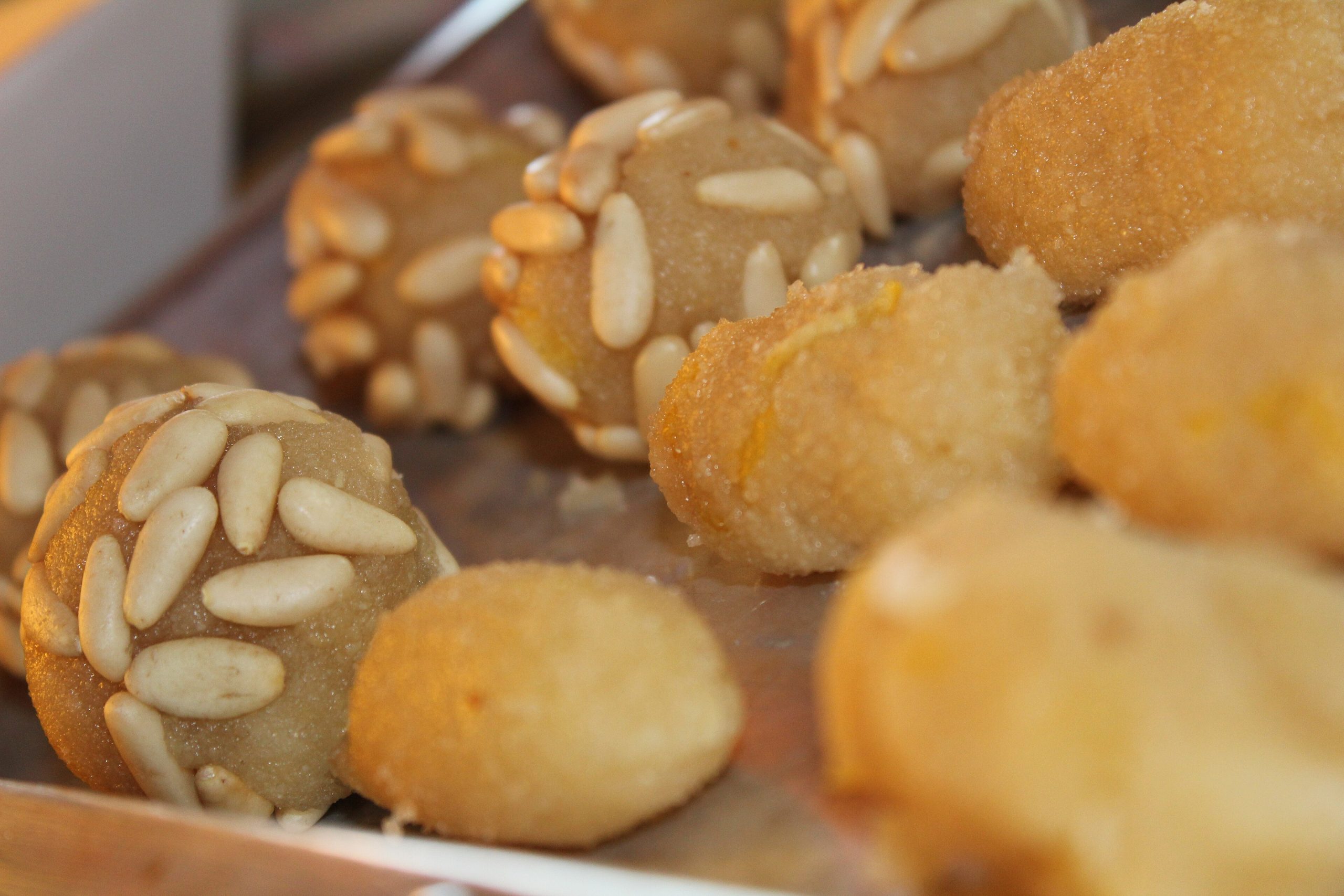
Panellets are worth buying from a proper pastry shop rather than a supermarket. Handmade ones have a moist almond centre and a light crust, while factory versions are dense and overly sweet. Ask for a mixed box, which usually includes pine nut, coconut and coffee, and eat them within a few days.
Halloween in Mallorca and Palma

Halloween on 31 October has become a fixture in Mallorca over the last couple of decades, especially with children and in the tourist areas. Shops sell pumpkins and costumes, schools hold parties, and hotels across the island run themed weekends for families. In Palma, the Poble Espanyol has hosted Halloween events in recent years, and bars in the Old Town and Santa Catalina put on costume nights.
For Mallorcans, though, the evening of 31 October is first of all the eve of Tots Sants. Many families mark it with roast chestnuts, roasted sweet potatoes and panellets, so the two traditions now sit side by side. A child might go trick-or-treating in a costume and come home to a rosari from a grandparent. It is a mix that feels very typical of modern Palma.
Street chestnut roasters appear around the city as the evenings cool, selling paper cones of castanyes torrades. They are the best snack for an evening walk through the Old Town at the end of October, and they pair well with a glass of red from one of the bodegas nearby. The chestnuts usually stay through the winter, long after the bunyol stands have closed.
If you are visiting with children, Halloween week is an easy time to be in Palma. The weather is usually mild enough to sit outside in the late afternoon, the bakeries are at their most colourful, and the mix of pumpkins and panellets gives children plenty to look at. Check the Poble Espanyol and local council programmes for the current year’s events before you plan an evening around them.
Mallorca’s Autumn Food Calendar, October to November
The autumn feast days in Mallorca come close together, and each has its own food. If you are planning a short trip, timing it for the week of Les Verges or the days before All Saints gives you the most to taste, because the bakeries overlap their bunyols, panellets and rosaris for a few days.
| Date | Occasion | What to eat | Where in Palma |
|---|---|---|---|
| Late September | Bunyol stands open | Bunyols | Family stands and garages |
| 20 October, evening | Nit de les Verges | Bunyols with sweet wine | Stands, home, some revived serenades |
| 21 October | Les Verges, feast of Santa Úrsula | Bunyols | Bakeries, stands, Mercat de l’Olivar |
| Last week of October | Pastry shop displays | Panellets, rosaris, bunyols de vent | Old Town pastry shops |
| 31 October | Halloween and the eve of Tots Sants | Roast chestnuts, sweet potatoes, panellets | Street roasters, family tables |
| 1 November | Tots Sants, public holiday | Panellets, rosaris | Family lunches, cemetery visits |
| 2 November | Dia dels Difunts | Panellets | Family visits continue |
| First week of November | End of bunyol season | Last bunyols | Remaining stands |
The end of the season comes quickly. Once the first week of November passes, the stands close, the bakeries clear their bunyol trays and the windows switch to turrón and Christmas sweets within a few weeks. If you miss bunyols, the next chance is the following autumn, which is a good reason to plan around them.
Autumn is also the start of the matances, the traditional pig-slaughter season when families make their own sobrassada and botifarró. It is a reminder that this is a time of year when Mallorcan food is very much tied to the calendar, and a good season to taste the island’s cured meats alongside its sweets.
Taste Mallorca’s Autumn Food With Tasting Palma
Our tastings run all through the autumn from our room at Casa Roca in the Old Town, a short walk from the bakeries and the Mercat de l’Olivar. The season changes what we pour and what we serve with it: new-harvest wines, warming coffee and the island’s autumn sweets all find their way onto the table. It is the easiest way to taste a lot of Mallorca in one sitting.


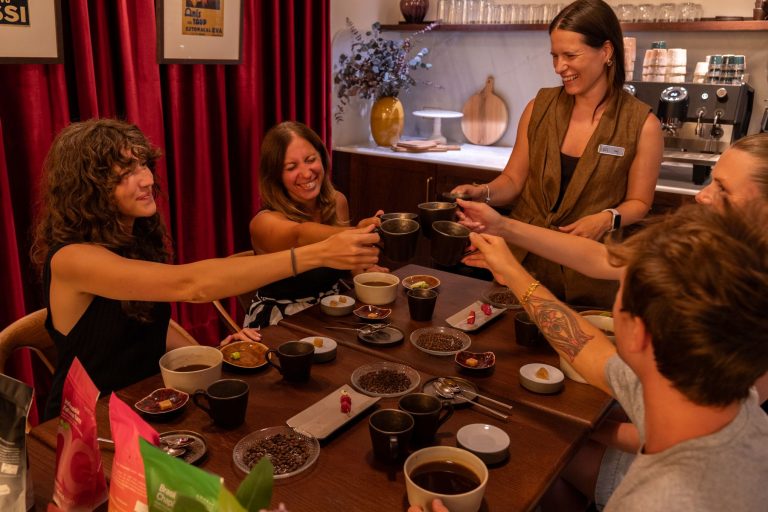
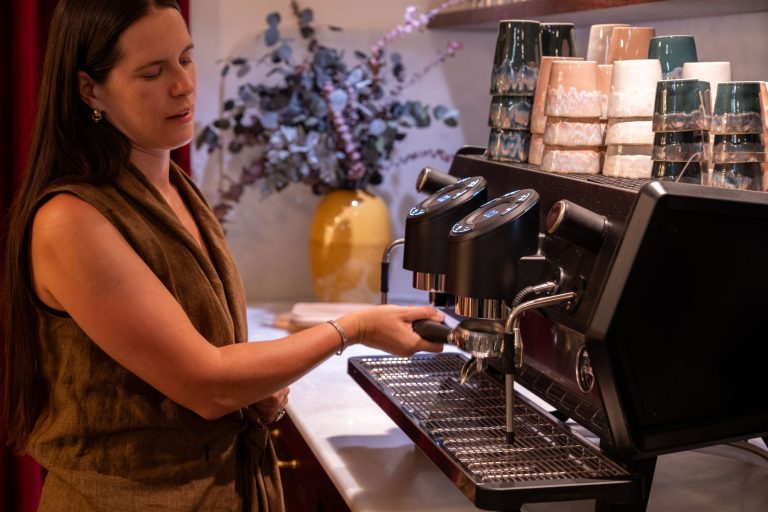

Small groups are the point. Most of our experiences take a handful of guests around one table, so there is time to ask questions, compare tastes and get recommendations for the rest of your stay. If you have a free afternoon in Palma during the bunyol season, it fits neatly between a market morning and an evening at the stands.
Wine, gin and coffee tastings, the food tour and the market class
Gifting an autumn tasting is also easy. Our food and wine gift vouchers are delivered by email and can be used for any of our experiences, which makes them a practical present for anyone heading to Palma in the colder months.
Bunyols and All Saints in Mallorca: Frequently Asked Questions
What Are Bunyols Made Of?
Mallorcan bunyols are made from a yeasted dough of flour, cooked potato or sweet potato, eggs and a little water. The dough is shaped into rings, fried in olive or sunflower oil and rolled in sugar. Some bakeries also sell bunyols de vent, a lighter choux-style fritter that can be filled with cream or chocolate truffle.
When Are Bunyols Eaten In Mallorca?
Bunyols are eaten mainly for Les Verges, the feast of Santa Úrsula on 21 October, and the night before, the Nit de les Verges. Stands and bakeries usually sell them from late September until the first week of November, so they are also around for All Saints.
What Is Les Verges In Mallorca?
Les Verges is the Mallorcan name for the feast of Santa Úrsula on 21 October, which commemorates the legend of Úrsula and eleven thousand virgins. On the night before, young men traditionally serenaded the women they were courting, who answered with bunyols and sweet wine.
Where Can I Buy Bunyols In Palma?
Well-known options include Bunyols Cati on Carrer Emili Darder Batle, the Forn Ca na Teresa stall in the Mercat de l’Olivar, the bakery on Carrer Pasqual Ribot and the Bunyols Bonissíms stands outside El Corte Inglés, Carrefour General Riera and FAN. Many neighbourhood bakeries also sell them in the weeks around 21 October.
Is All Saints Day A Public Holiday In Mallorca?
Yes. Tots Sants on 1 November is a national public holiday in Spain, so many shops and offices close and Palma’s markets follow their holiday hours. Families visit cemeteries with flowers, and the day is marked with panellets and sugar rosaries.
What Do People Eat For All Saints In Mallorca?
The main sweets are panellets, small almond marzipan cakes often rolled in pine nuts, and rosaris, necklaces of sweets given to children by godparents and grandparents. Roast chestnuts and roasted sweet potatoes are eaten on the eve, and bunyols are still sold in the first days of November.
Is Halloween Celebrated In Palma?
Yes. Halloween on 31 October is now widely celebrated in Mallorca, with children’s parties, hotel events and costume nights in Palma’s bars. For many local families the evening is also the eve of All Saints, marked with roast chestnuts and panellets.
Tasting Palma
Taste Mallorca in Palma’s Old Town
Small-group wine, gin and coffee tastings, a market tour and tapas class and a gourmet food tour, all hosted from Casa Roca on Calle Hostals.
Book an ExperiencePhotos via Wikimedia Commons: Pacopac (CC BY-SA 4.0), Francesc Fort (CC BY-SA 4.0), gencat cat (CC0), Thingstodoinbarcelona (CC BY-SA 4.0).
Leave a Reply