

At A Glance
Mallorca wine is built on native grapes almost nobody outside the island has heard of, which is exactly why it is worth drinking here rather than at home.
- Two protected regions: DO Binissalem, the oldest, and DO Pla i Llevant in the south-east.
- Manto Negro is the signature red. Binissalem reds must contain at least 30 per cent of it.
- Prensal Blanc, also called Moll, is the white. It must be at least 50 per cent of a Binissalem white.
- Callet is the other great red, and the star of Pla i Llevant.
- Almost none of it is exported. A bottle you like here is difficult to buy at home.
Mallorca wine has a problem that is also its best feature: hardly any of it leaves the island. Production is small, domestic demand absorbs most of it, and the grapes are varieties that mean nothing on an export label. The result is that most visitors arrive without a single reference point, order the house red because it is cheap, and go home never knowing they drank something that exists almost nowhere else.
That is a shame, because the island has been making wine for roughly two thousand years and is currently in the middle of the most interesting period it has had in a century. Young winemakers have gone back to native grapes that were nearly abandoned, and the wines coming out of the two protected regions now are genuinely worth paying attention to.
This guide covers the two wine regions, the grapes worth knowing by name, what to order in a Palma bar, and where to taste properly. If spirits are more your thing, our Mallorca gin guide covers the island’s distilleries.
Want to taste the island’s recovered grapes without driving to the vineyards? Our 90-minute wine tasting with tapas, led by a fifth-generation winemaker, runs in Palma Old Town from €49.
See the wine tastingMallorca Wine Regions: Binissalem and Pla i Llevant
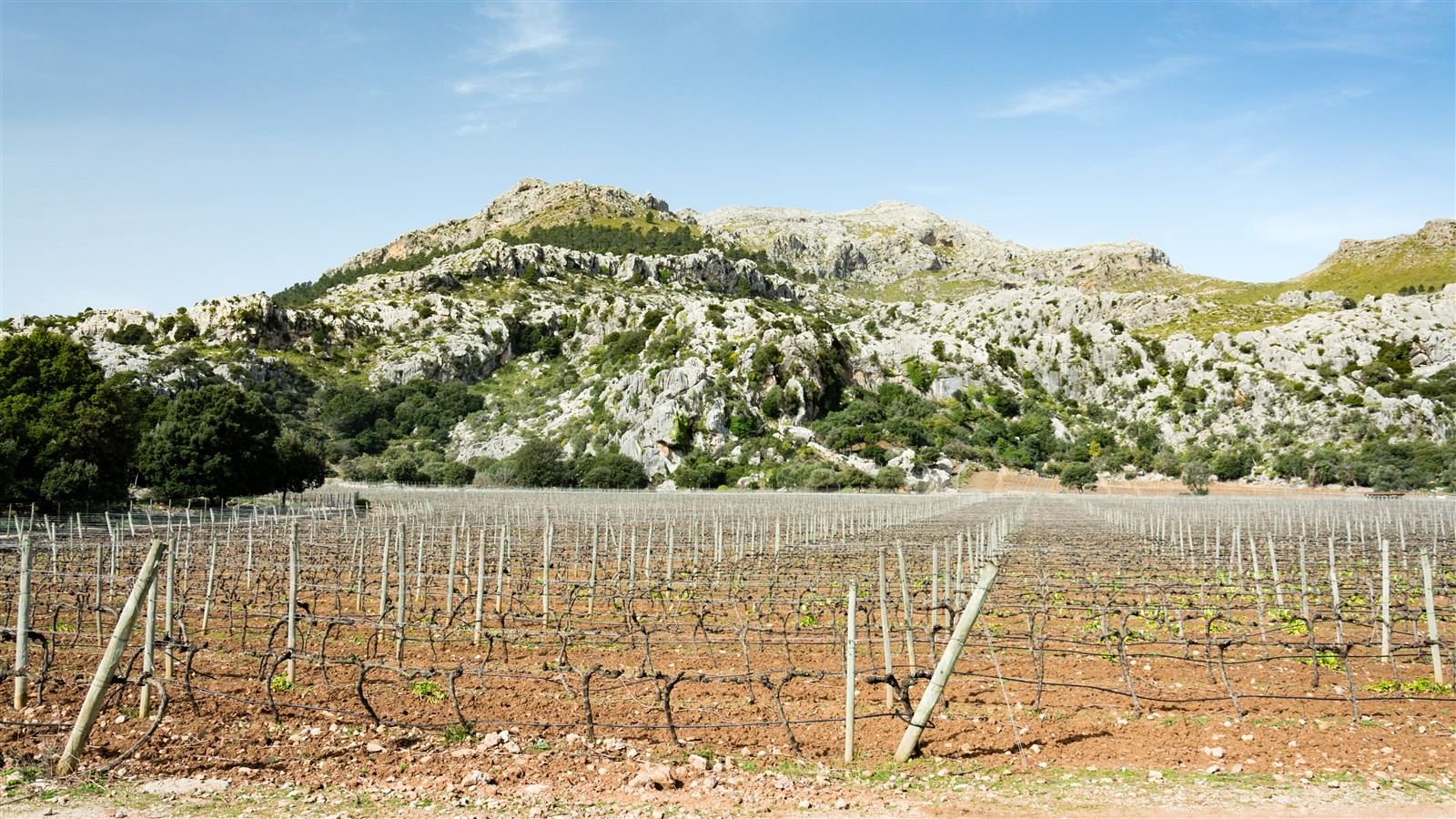
Mallorca has two Denominaciones de Origen, the Spanish system of protected wine regions, and they sit in different parts of the island with different characters.
DO Binissalem is the older of the two and the one most people mean when they talk about Mallorca wine. It centres on the town of Binissalem, about twenty-five minutes inland from Palma, on the plain between the Serra de Tramuntana and the sea. The mountains shelter it from the northern weather, the soils are limestone and clay, and the reds it produces are warm and gently spiced rather than heavy.
DO Pla i Llevant was recognised in the 1990s and covers the flatter south-east of the island, running towards Felanitx and Manacor. The name translates roughly as flat and eastern, which is unglamorous and accurate. It is the larger of the two regions in area and gives more freedom to producers, which has made it the more experimental of the pair.
There is a third category worth knowing: Vi de la Terra Mallorca. It is a broader designation with looser rules, and a great many of the island’s more adventurous wines sit under it precisely because their producers did not want to work inside the DO restrictions. Do not read it as lower quality. Some of the best bottles on the island carry it.
Mallorca Wine Grapes Worth Knowing
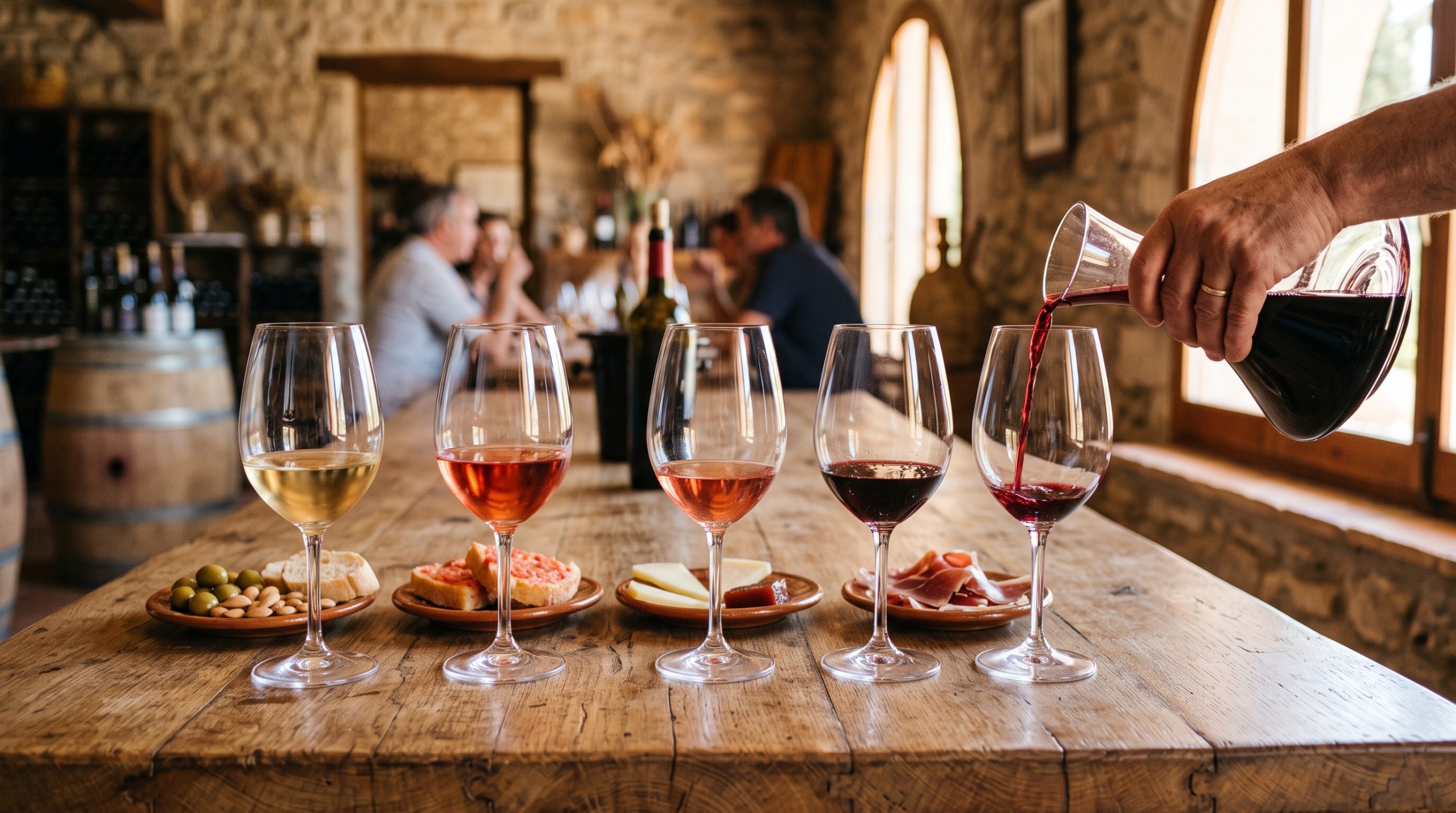
Four names will get you through almost any Mallorcan wine list. Learn them and you can order confidently anywhere on the island.
| Grape | Colour | Where it dominates | What it tastes like | Rule to know |
|---|---|---|---|---|
| Manto Negro | Red | DO Binissalem | Warm, gently spiced, pale, soft tannins | Minimum 30% of a Binissalem red |
| Callet | Red | DO Pla i Llevant | Earthy, structured, pale, low tannin | The star grape of the east |
| Prensal Blanc (Moll) | White | DO Binissalem | Fresh, easy, citrus and soft stone fruit | Minimum 50% of a Binissalem white |
| Fogoneu | Red | Pla i Llevant, blends | Light, high acid, often in rosés | Rarely bottled alone |
Manto Negro is the one to start with. It produces reds that are noticeably paler than a Rioja or a Ribera and considerably softer in tannin, which surprises people expecting something heavy from a hot island. The character is warm and gently spiced rather than jammy. Binissalem regulations require at least thirty per cent of it in a red, which is why the region tastes coherent.
Callet is the other great red and the reason Pla i Llevant is worth exploring separately. It brings earthiness and structure where Manto Negro brings warmth, and it also produces wines of pale colour and low tannin. Winemakers who want to make something serious and Mallorcan tend to reach for Callet.
Prensal Blanc, which you will also see written as Moll, is the island’s workhorse white. It is fresh, uncomplicated and built for the food here: grilled fish, pa amb oli, anything with olive oil in it. It must make up at least half of a Binissalem white. It will not change your life and it is not trying to.
Fogoneu is the fourth name worth carrying. It is light, high in acid and rarely bottled on its own, appearing instead in blends and in the island’s rosés, which are considerably better than the average Mediterranean holiday pink. If a Mallorcan rosé tastes fresher and less confected than you expected, Fogoneu is usually why.
You will also meet international varieties on island wine lists. Cabernet Sauvignon, Syrah, Merlot and Chardonnay are all grown here, and some of them are made well. They are not the reason to drink Mallorcan wine. If you have a limited number of glasses on a short trip, spend them on the grapes you cannot get anywhere else.
One quirk worth explaining: the pale colour of Mallorcan reds catches people out. A Manto Negro in the glass can look closer to a dark rosé than to a Rioja, and visitors sometimes assume it has been watered down or is somehow lesser. It has not and it is not. Low colour extraction and soft tannins are simply what these grapes do, and it is the reason the wines work so well with the island’s fatty, paprika-heavy cooking.
Why Mallorca Wine Nearly Disappeared
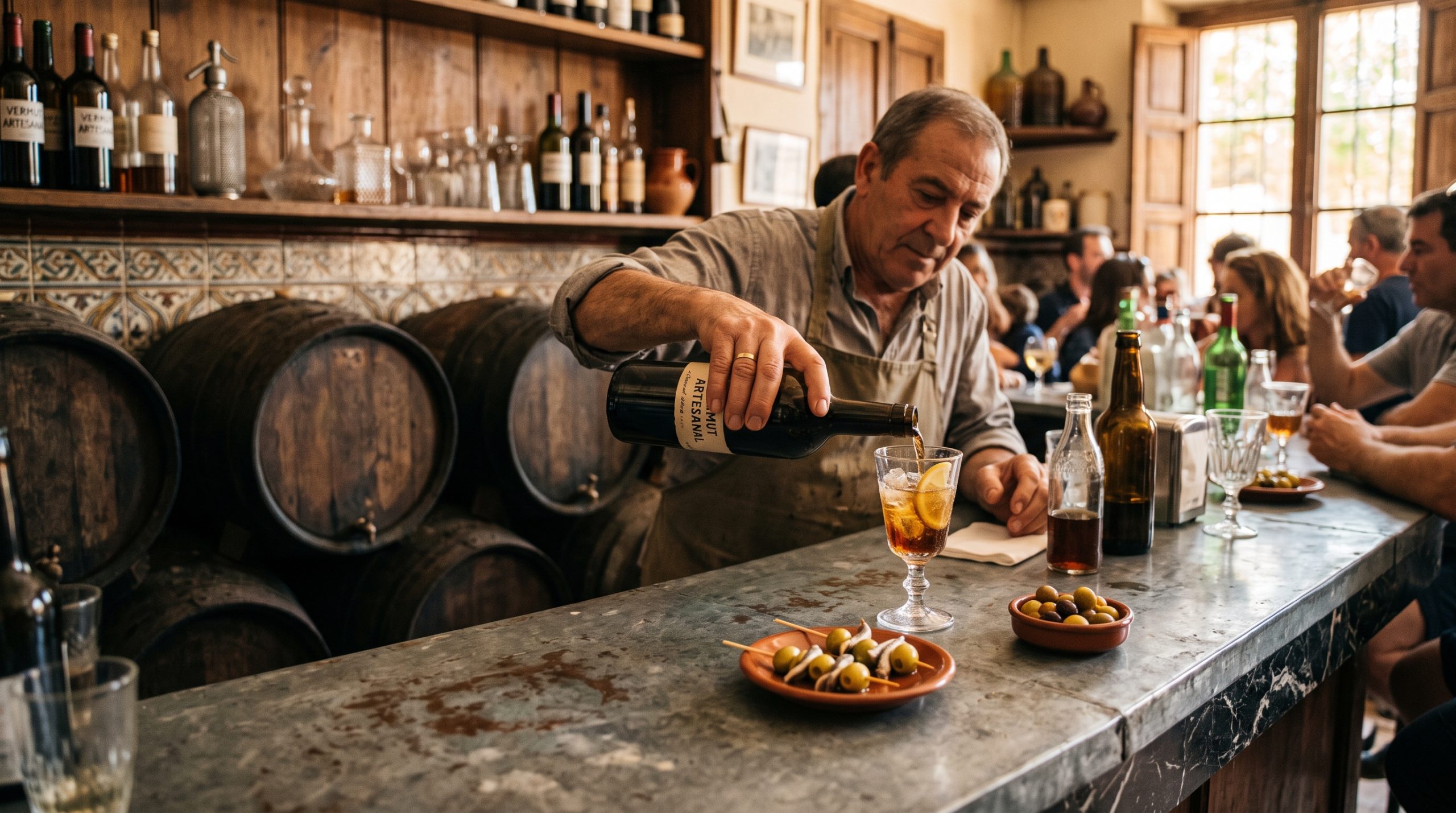
Mallorca had a large and prosperous wine industry in the nineteenth century, helped considerably by phylloxera devastating French vineyards and creating enormous demand. Then phylloxera arrived here too, in the 1890s, and the industry collapsed almost entirely.
What replaced the vines was almonds. Enormous areas of the island were replanted, which is why the February almond blossom is now one of Mallorca’s signature sights and why so few old vineyards survive. For most of the twentieth century Mallorcan wine meant cheap bulk production drunk locally from a barrel and taken no more seriously than that.
The recovery is recent. DO Binissalem was recognised in 1991 and Pla i Llevant followed later that decade, and the past twenty years have seen a genuine revival, driven partly by outside investment and partly by a generation of local winemakers who decided the native grapes were worth rescuing rather than replacing with Cabernet. Which is why the interesting bottles are all quite young as businesses, even where the vines are old.
How to Order Mallorca Wine in Palma
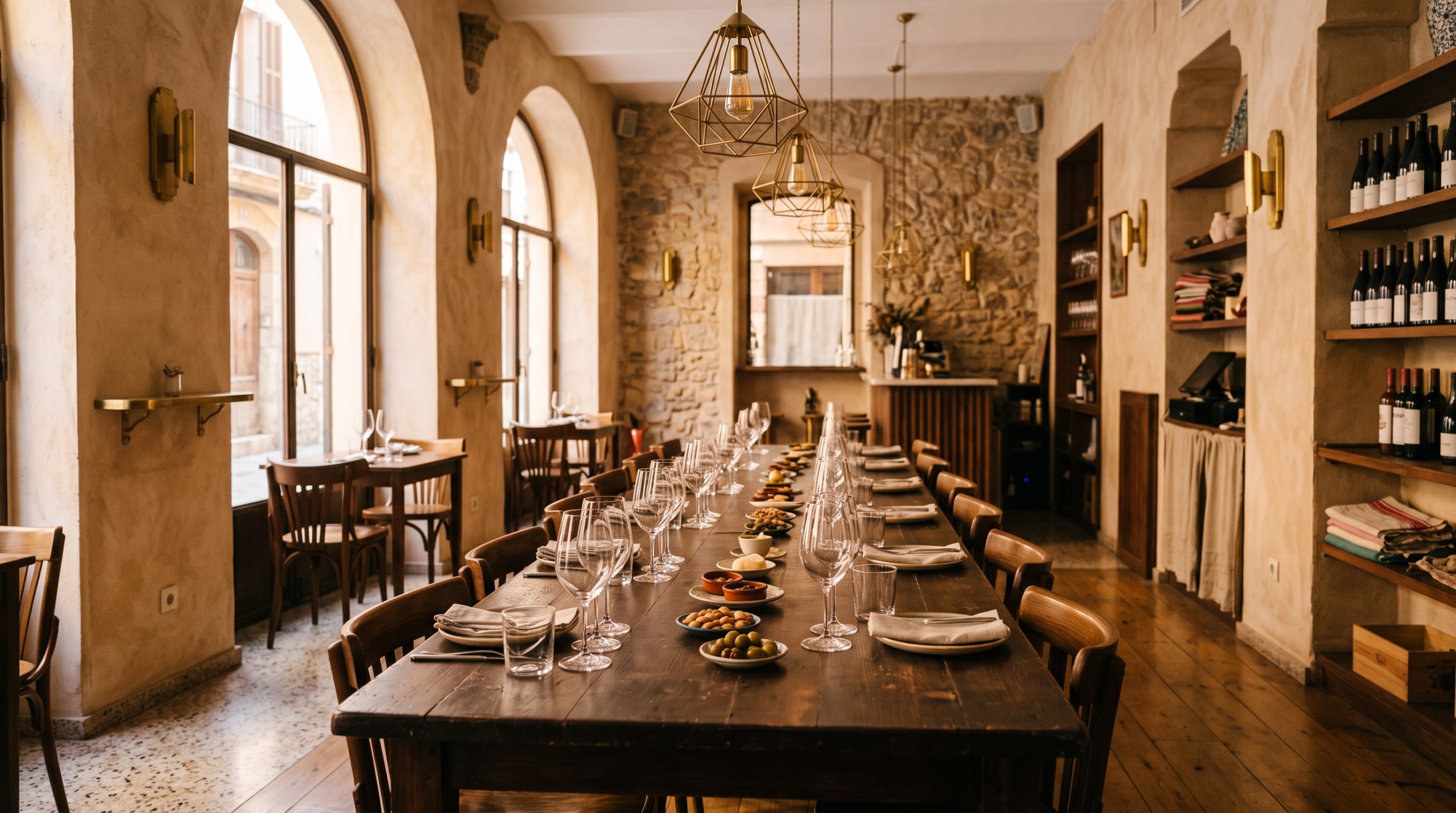
The single most useful sentence is: what Mallorcan wines do you have by the glass? Almost every decent bar in Palma will have two or three, and asking signals that you want the local thing rather than the Rioja everybody defaults to. In a barrel bodega the house wine is usually Mallorcan by default and costs two to three euros.
Expect prices to be reasonable rather than cheap. A good bottle of Binissalem red in a Palma restaurant sits somewhere around twenty-five to forty euros, and by the glass you are looking at four to seven. That is more than a glass of mainland Spanish wine and less than the equivalent quality from Rioja.
Pair it the way the island does. Manto Negro handles sobrassada and roast lamb without being overwhelmed. Prensal Blanc goes with everything that comes out of the sea and with pa amb oli. Our guide to the best tapas bars in Palma covers the bars most likely to have island bottles open.
Ordering Mallorca Wine: A Cheat Sheet
- Want a safe red: a Binissalem with Manto Negro. Warm, soft, food-friendly.
- Want something more serious: a Callet from Pla i Llevant.
- Eating fish: Prensal Blanc, also listed as Moll.
- Hot afternoon: a Mallorcan rosé, often built on Fogoneu.
- On a budget: house wine from the barrel in a bodega, €2–€3.50 a glass.
- Buying a bottle home: pick something under Vi de la Terra, which rarely reaches export.
Where to Taste Mallorca Wine Without a Car
Visiting the bodegas themselves is the romantic option and it comes with a practical problem: the vineyards are inland, the public transport is thin, and somebody has to drive. Binissalem is reachable by train from Palma, which makes it the realistic choice for a self-guided winery day, but the individual estates are spread out once you arrive.
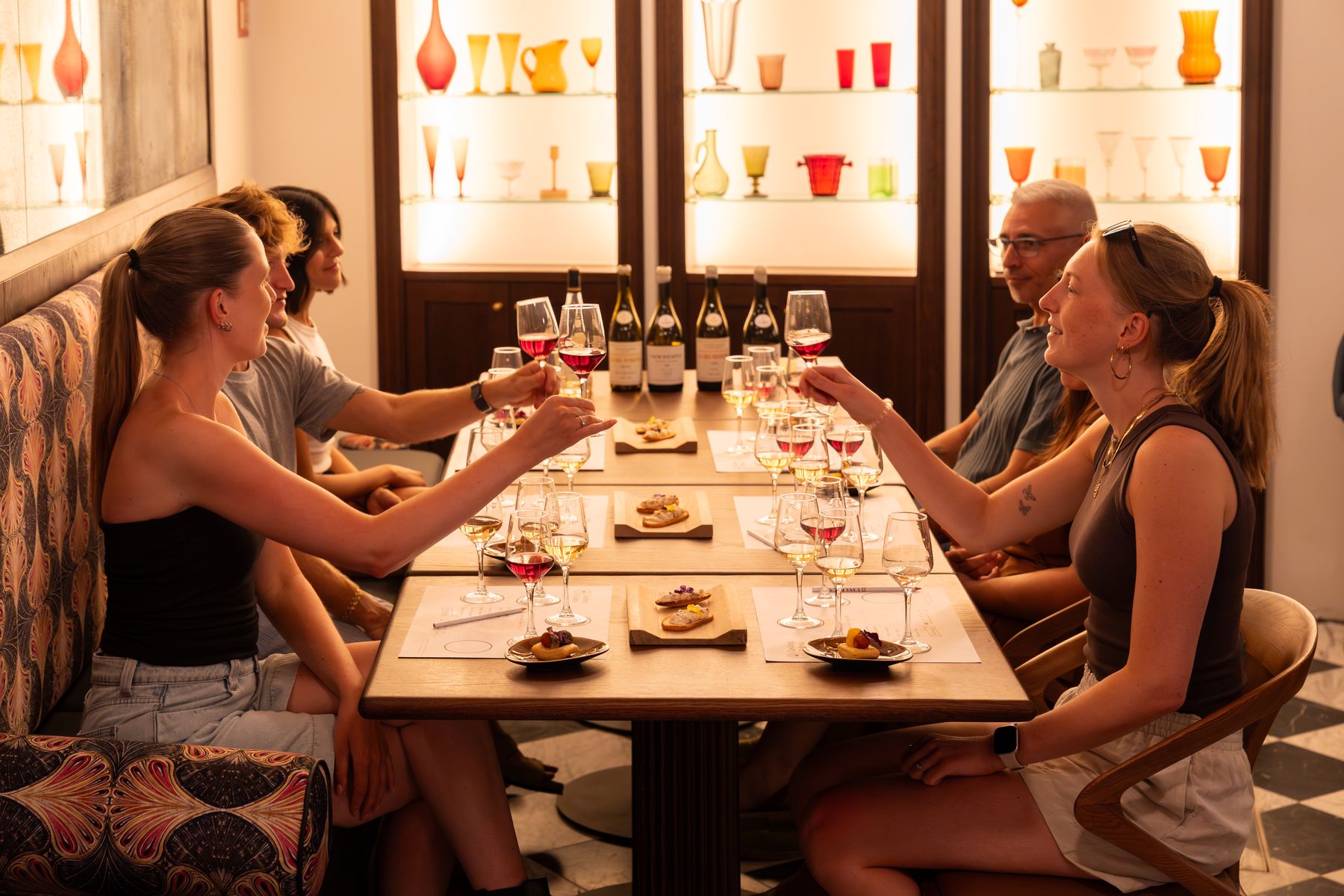
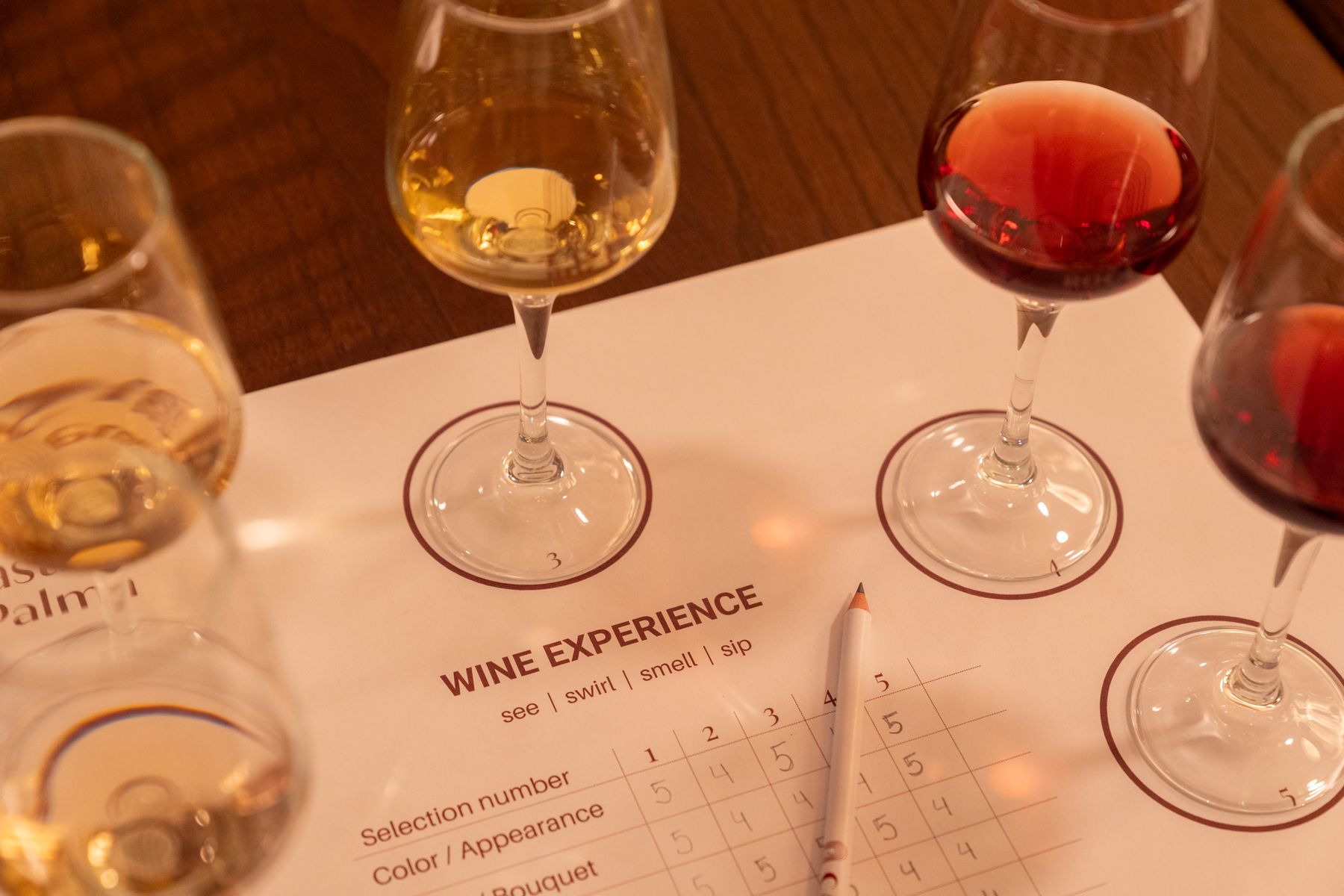
The alternative is to taste in Palma. A structured tasting in the city puts five or six island wines in front of you in ninety minutes, with someone who can explain what separates Manto Negro from Callet and why the whites taste the way they do. You learn more in that time than in a day of driving between two estates, and nobody has to stay sober.
Either way, taste before you buy. Mallorcan wine is not exported in volume, so the bottle you carry home is likely to be one you cannot replace. That is a good reason to be sure you actually like it rather than buying on the strength of a label at the airport.
Taste Five Mallorcan Wines in Ninety Minutes
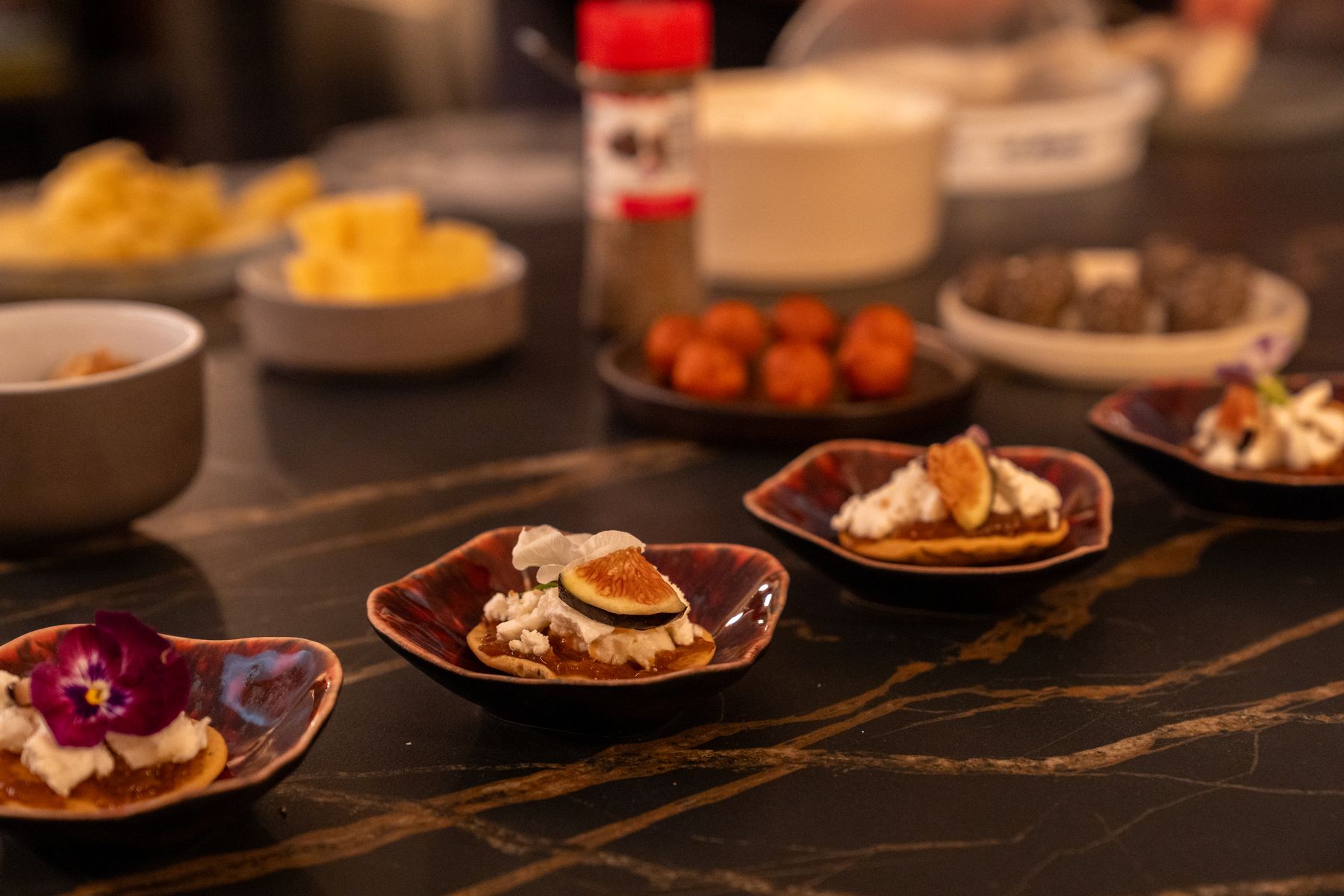
Our wine tasting runs in Palma Old Town with a fifth-generation winemaker, pouring rare recovered island grapes with tapas pairings. Six guests maximum, from €49 per person.



Mallorca Wine and Food: What to Drink With What
Island wine evolved alongside island food, which makes the pairings unusually straightforward. You do not need to think hard: the things that grow together generally go together, and Mallorcan cooking is built on olive oil, pork, tomatoes and fish.
Manto Negro with sobrassada is the classic. The wine’s softness handles the paprika and the fat without fighting it, where a big tannic red would flatten both. The same red works with arròs brut, the dark soupy Mallorcan rice, and with roast lamb or suckling pig.
Prensal Blanc belongs with anything from the water and with pa amb oli, the bread rubbed with tomato and dressed with oil that appears on every table. For a full run through the island’s dishes and where to eat them, our Palma food guide is the place to start.
When to Visit for Mallorca Wine
Harvest runs from roughly late August into early October, earlier than most of mainland Europe because the island is hot and the grapes ripen fast. If you want to see the wineries working rather than simply pouring, September is the month. Several estates run harvest events, and the atmosphere across Binissalem in particular changes completely.
The trade-off is that harvest is also when winemakers are least available. A visit in May or October gets you more of the owner’s attention and a calmer tasting, which for most visitors is the better experience. Spring also gives you the countryside at its best, which matters if you are driving out to the estates.
Binissalem holds a wine festival in late September, the Festa des Vermar, which is worth planning around if the dates line up. It is a genuine local celebration rather than a tourist event, complete with grape-throwing, and it is the one time of year the island’s wine culture is visible on the street rather than inside a bodega.
Out of season, nothing stops. Tastings in Palma run year-round and the city’s wine bars are, if anything, better in winter when they are full of residents rather than visitors. Mallorca wine is not a summer-only proposition, and a January tasting is often the more interesting one.
Buying Mallorca Wine to Take Home
Buy in the city rather than at the airport. Palma’s specialist wine shops and the market stalls carry a far better range at better prices, and the staff can tell you what a bottle actually is rather than pointing at a shelf.
Wine has to go in hold luggage, which limits most people to two or three bottles and means wrapping them properly. If you are travelling hand-luggage only, this is the one Mallorcan product you genuinely cannot take, and it is worth knowing before you fall in love with something at a tasting.
Write down what you bought. Mallorcan producers are small and their labels are not memorable to a foreign eye, and it is remarkably easy to get home with a bottle you love and no way to find it again. A photograph of the label at the point of purchase solves the problem entirely.
Mallorca Wine: Frequently Asked Questions
What Is Mallorca Wine Known For?
Native grapes that grow almost nowhere else, principally the red Manto Negro and Callet and the white Prensal Blanc. The reds are paler and softer in tannin than mainland Spanish reds, which surprises people. Very little is exported, so a bottle you enjoy here is difficult to buy at home.
What Are the Mallorca Wine Regions?
Two protected regions. DO Binissalem is the older, on the plain about 25 minutes inland from Palma, built around Manto Negro. DO Pla i Llevant was recognised in the 1990s and covers the flatter south-east, where Callet is the star grape. A third designation, Vi de la Terra Mallorca, has looser rules and covers many of the island’s more experimental wines.
What Is Manto Negro?
Mallorca’s signature red grape, grown mainly in DO Binissalem, where regulations require it to make up at least 30 per cent of a red wine. It produces wines that are pale in colour, low in tannin and warm and gently spiced in character, which makes them far more food-friendly than their alcohol level suggests.
Where Can You Do a Mallorca Wine Tasting?
Either at the bodegas inland or at a structured tasting in Palma. The estates are spread out and someone has to drive, though Binissalem is reachable by train. A tasting in the city puts five or six island wines side by side in about 90 minutes, which is the faster way to learn the grapes.
How Much Does Mallorca Wine Cost?
A good bottle of Binissalem red in a Palma restaurant is roughly 25 to 40 euros, and 4 to 7 euros by the glass. House wine drawn from the barrel in a traditional bodega is 2 to 3.50 euros a glass. Expect island wine to cost a little more than mainland Spanish equivalents.
What Food Goes With Mallorca Wine?
Manto Negro with sobrassada, arròs brut, roast lamb or suckling pig, because its softness handles paprika and fat without overwhelming them. Prensal Blanc with grilled fish, seafood and pa amb oli. The island’s wines evolved alongside its cooking, so the obvious pairings are usually the right ones.
Why Is Mallorca Wine Hard to Find Abroad?
Production is small and domestic demand absorbs most of it, so very little is exported. The grape names also mean nothing on an international label, which gives producers little incentive to chase foreign markets. It is the main reason to buy a bottle while you are here rather than intending to find it later.
Can You Take Mallorca Wine Home on a Plane?
Only in hold luggage, which in practice limits most people to two or three well-wrapped bottles. If you are travelling with hand luggage only, wine is the one Mallorcan product you cannot carry, so buy cured goods instead. Buy in the city rather than at the airport, where range and prices are both worse.
Drink the Grapes You Cannot Buy at Home
Ninety minutes, five Mallorcan wines, tapas pairings and a fifth-generation winemaker to explain them. In Palma Old Town, six guests maximum, from €49.
Book a Wine Tasting Ask Us a QuestionVineyard photograph by Christoph Strässler (CC BY-SA 2.0), via Wikimedia Commons.
Leave a Reply