


At A Glance
Tumbet is a Mallorcan dish of potato, aubergine and red pepper, each fried separately in olive oil, then layered under tomato sauce.
- The layer order is fixed: potato at the bottom, then aubergine, then pepper, with the sauce on top.
- Frying each vegetable separately is the defining technique. Cook them together and you have made a pisto, not a tumbet.
- Mallorcans serve it at room temperature, not hot. It is a summer dish.
- Whether courgette belongs in it is a genuine argument on the island, not a matter of preference.
- Everything in it is in season on Mallorca from July to October, peaking July to September.
Tumbet is the dish that proves Mallorcan cooking is not simply Spanish cooking with a sea view. It looks like ratatouille, it is often described as ratatouille, and it is not ratatouille. The difference is entirely in the method, and the method is the reason a plate of three cheap vegetables ends up tasting like three distinct things rather than one. It is on the menu of nearly every traditional kitchen on the island, and it is one of the dishes people cook on our Olivar Market Tour and Tapas Class.
Below is what it is, where it came from, how to make it properly, and the two arguments Mallorcans actually have about it: courgette, and whether you are allowed to skip the frying. There is also a straight answer on how it relates to pisto and ratatouille, which most recipes dodge. For the rest of the island repertoire, see our Palma food guide.
Learn to cook tumbet and the rest of the Mallorcan repertoire with a chef, after shopping the market for it.
See the cooking classWhat Is Tumbet?
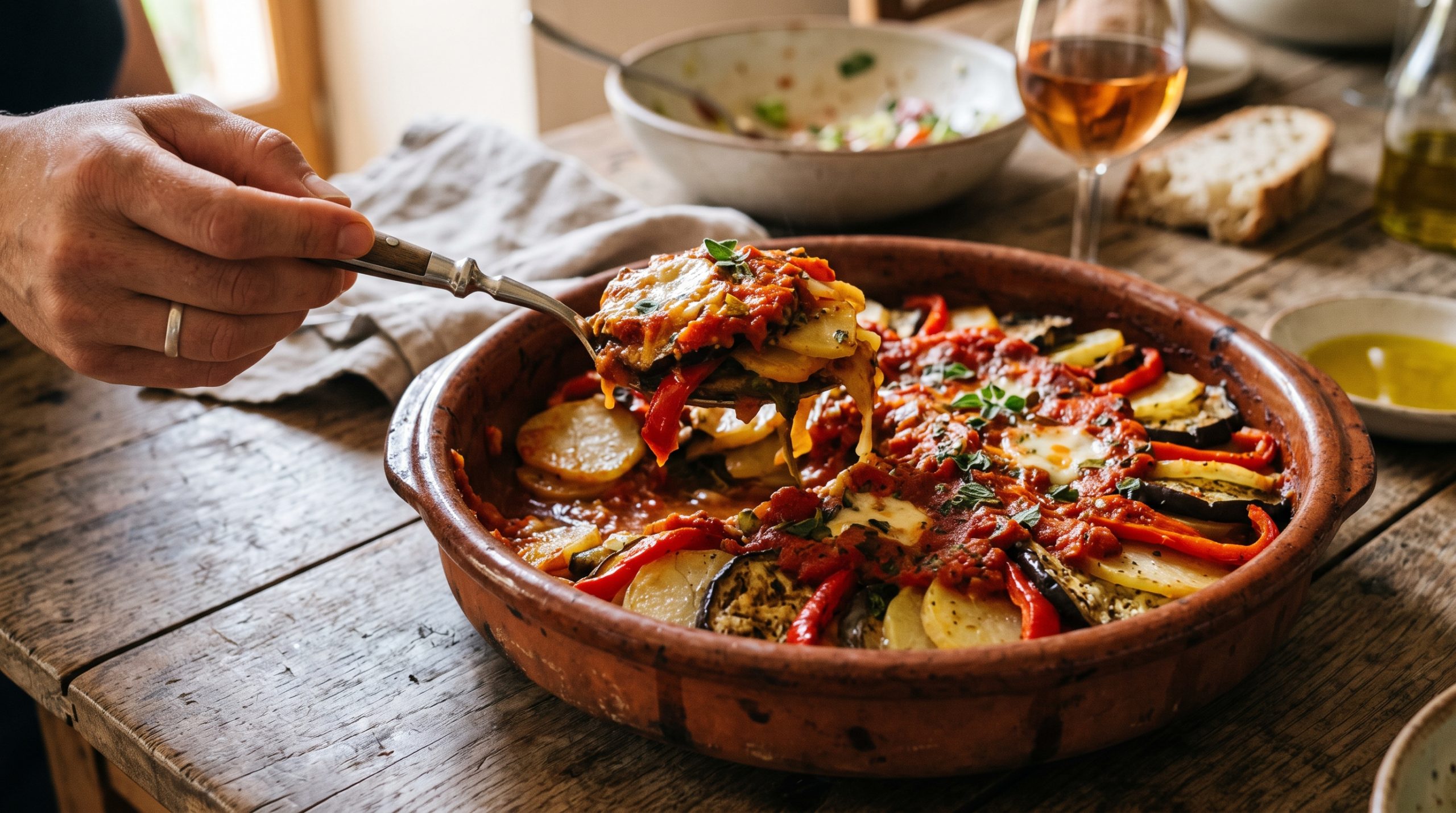
Tumbet, or tombet in Catalan, is a layered vegetable dish from Mallorca. Potatoes, aubergines and red peppers are sliced, fried individually in olive oil, drained, then layered into an earthenware dish called a greixonera and covered with a simple tomato sauce. It is usually given a short bake and then left to settle.
The order of the layers is not decorative. Potato goes at the bottom, where it absorbs the sauce and the oil that renders down through the dish. Aubergine sits in the middle. Pepper goes above that, and the tomato sauce covers the lot. Vegetables are sliced with their skins on.
Its history is older and stranger than most recipe sites admit. It evolved from medieval Mallorcan greixoneres, aubergine dishes that predate the arrival of New World crops entirely, which means the dish existed in some form before it had either tomatoes or peppers to put in it. More striking still, the standard Catalan dictionary’s first definition of tombet describes a fried dish of meat, potatoes, peppers and tomato, with no aubergine at all. The vegetarian version everyone now knows is very likely the later one.
You will see confident claims that tumbet dates to the sixteenth century, or that it was first recorded in 1886. Neither is supported by a document we could verify, so treat them as received tradition rather than fact. The same goes for the word itself: the standard Catalan dictionary records tombet without any etymology, and the current dictionary of the Institute of Catalan Studies does not list it at all. The usual explanations, from tombar meaning to turn over, or from the vegetables being laid in tombs, are plausible and unproven. At least one Spanish gastronomy publication says so outright. It is a reminder that much of what gets stated confidently about Mallorcan food history is tradition rather than record.
Tumbet Ingredients
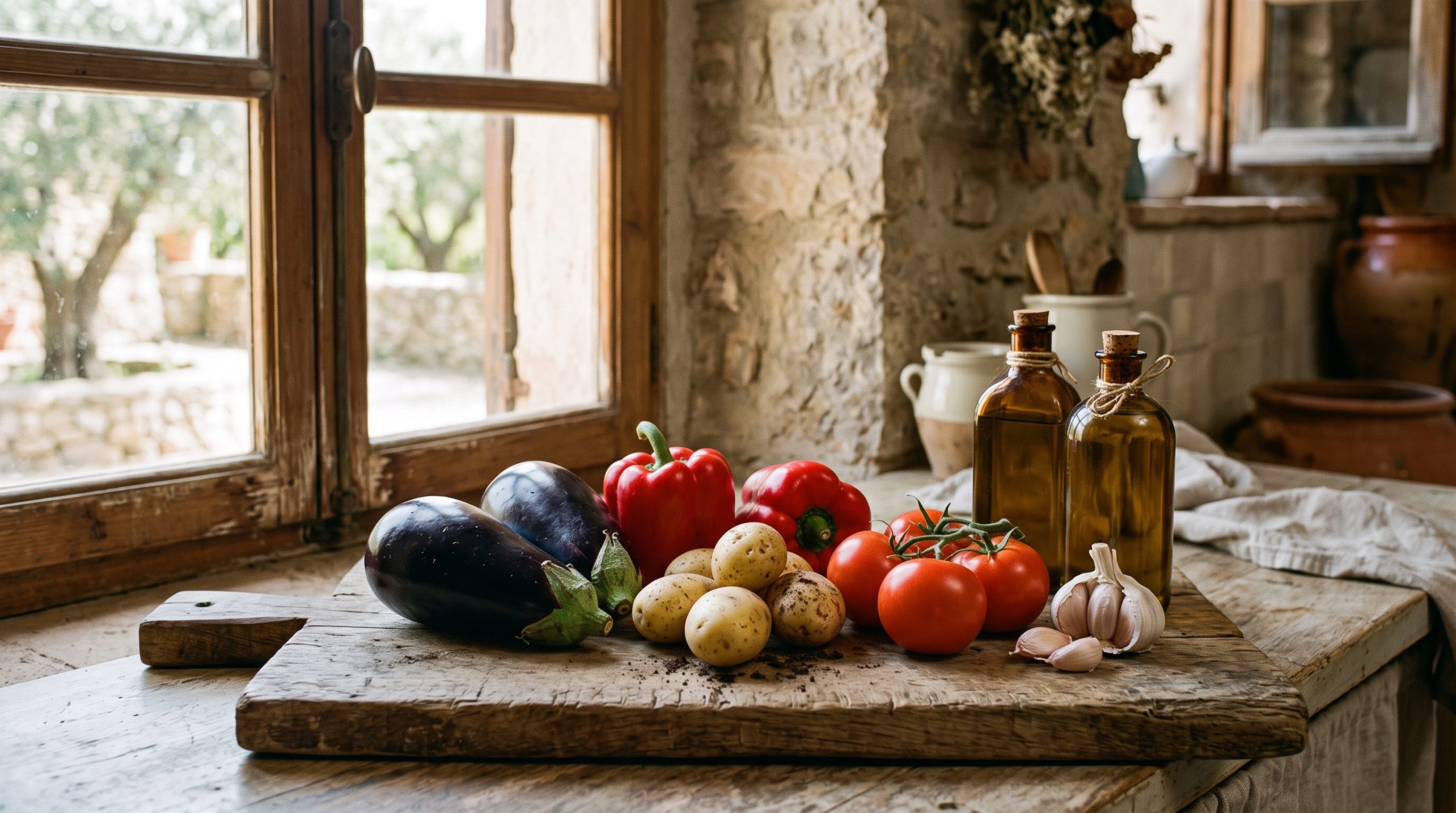
Quantities below serve four, following the version published by the Spanish gastronomy title Gastronosfera, which matches the stricter four-vegetable definition. There is no canonical recipe issued by any Mallorcan institution, so this is a well-sourced starting point rather than a decree.
| Ingredient | For 4 | Notes |
|---|---|---|
| Potatoes | 4 large | Waxy. Monalisa or Kennebec are the varieties named |
| Aubergines | 2 medium | Sliced with the skin on |
| Red peppers | 2 large | Some cooks roast rather than fry these |
| Ripe tomatoes | 1 kg | For the sauce, not for layering raw |
| Garlic | 4 cloves | Into the sauce |
| Extra virgin olive oil | Generous | Enough for shallow frying, and it is reused between vegetables |
| Salt, sugar, bay leaf | To taste | A pinch of sugar balances the tomato |
A word on quantities, because published recipes vary sharply. For the same four servings we found versions calling for eight potatoes, four, and two. That spread tells you something useful: tumbet is a household dish rather than a codified one, and the ratio is a matter of how potato-heavy your family likes it. Start with the middle figure. Buy the vegetables from a market rather than a supermarket if you can, which is the whole argument of our guide to eating in Palma.
Does Courgette Belong in Tumbet?
This is the argument, and most English-language recipes do not tell you it exists. They simply include courgette and move on.
The position against: Catalan reference sources and Mallorcan recipe sites give the dish as potato, aubergine and pepper only, and the Majorca Daily Bulletin has reported plainly that purists consider courgette to make it less authentic. The position for: plenty of Mallorcan households and several island publications include it as standard, and at least one Mallorcan source argues that aubergine and courgette were both later additions to what was originally a simpler dish.
Where The Arguments Actually Are
- Courgette. Purists exclude it. Many households include it. Sources even disagree on whether it sits above or below the aubergine.
- Roasting the peppers instead of frying them is common and uncontroversial.
- The bake. Some cooks skip the oven, rest the dish a couple of hours and reheat it gently instead.
- Serving temperature. Room temperature is the Mallorcan norm, though it is served warm in restaurants.
- What is not argued about: frying the vegetables separately. That part is the dish.
Our own position, for what it is worth: cook it without courgette the first time so you can taste what the three-vegetable version does, then add it if you want a lighter, wetter dish. What you should not do is add courgette and then describe the result as the traditional recipe, because a good number of Mallorcans will disagree with you.
How to Make Tumbet

1. Salt and drain the aubergine
Slice the aubergines about a centimetre thick, skin on, salt them and leave them to sit while you prepare everything else. They will release water. Pat them dry before they go anywhere near hot oil, because wet aubergine in oil spits and steams rather than frying.
This step is also where a lot of home cooks lose the dish. Aubergine that has not drained will carry water into the layers and make the finished tumbet soupy underneath the sauce.
2. Make the tomato sauce
Grate or blend the tomatoes, then cook them down slowly with the garlic, a bay leaf, salt and a pinch of sugar until the sauce is thick enough to sit on a spoon. It should be a plain sauce. No herbs beyond the bay, no onion, nothing clever.
Make it first and let it sit. A thin, watery sauce will run through the layers and undo the structure you are about to build, which is the single most common failure in a homemade tumbet.
3. Fry each vegetable separately
Shallow fry the potato slices in olive oil until they are soft and just gold, and lift them out to drain on paper. Then the aubergine, in the same oil. Then the peppers, unless you are roasting them. Salt each batch as it comes out of the pan, not in it.
The reason given on the island for keeping them separate is straightforward: it stops the flavours mixing in the oil, and it lets each vegetable be taken off the heat at its own right moment. Potato and aubergine do not want the same amount of time, and cooking them together means one of them is wrong. This is the step people skip, and skipping it is what turns tumbet into something else. It is also the step that is far easier to learn by watching than by reading, which is why it is on the syllabus of our food tour and cooking experiences.
4. Layer and bake
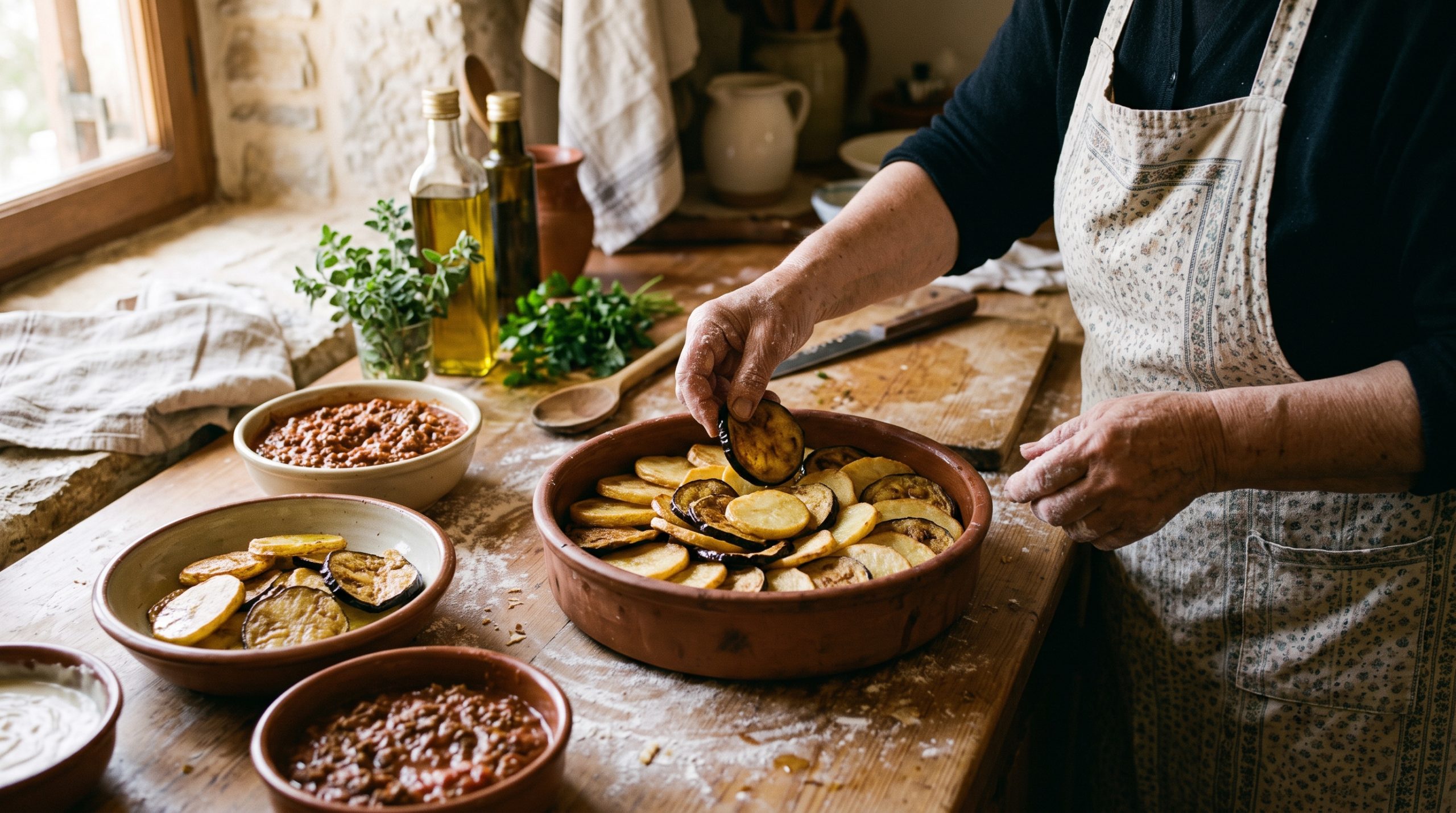
Lay the potato across the base of an earthenware dish in overlapping rounds, then the aubergine, then the peppers, seasoning lightly between layers. Pour the tomato sauce over the top so it covers the surface rather than being stirred through. Bake at around 180 °C for fifteen to twenty minutes.
Then, and this matters more than the baking, leave it alone. Tumbet improves as it settles and the layers take on the sauce. Many Mallorcan cooks make it several hours ahead, or the day before, and simply warm it through gently.
Inside A Tasting Palma Experience
Shop the market, then cook it with a chef
Four hours, eight guests. We buy what is in season at the Olivar, take it back to our Old Town kitchen, and you cook the Mallorcan classics with recipes to take home.
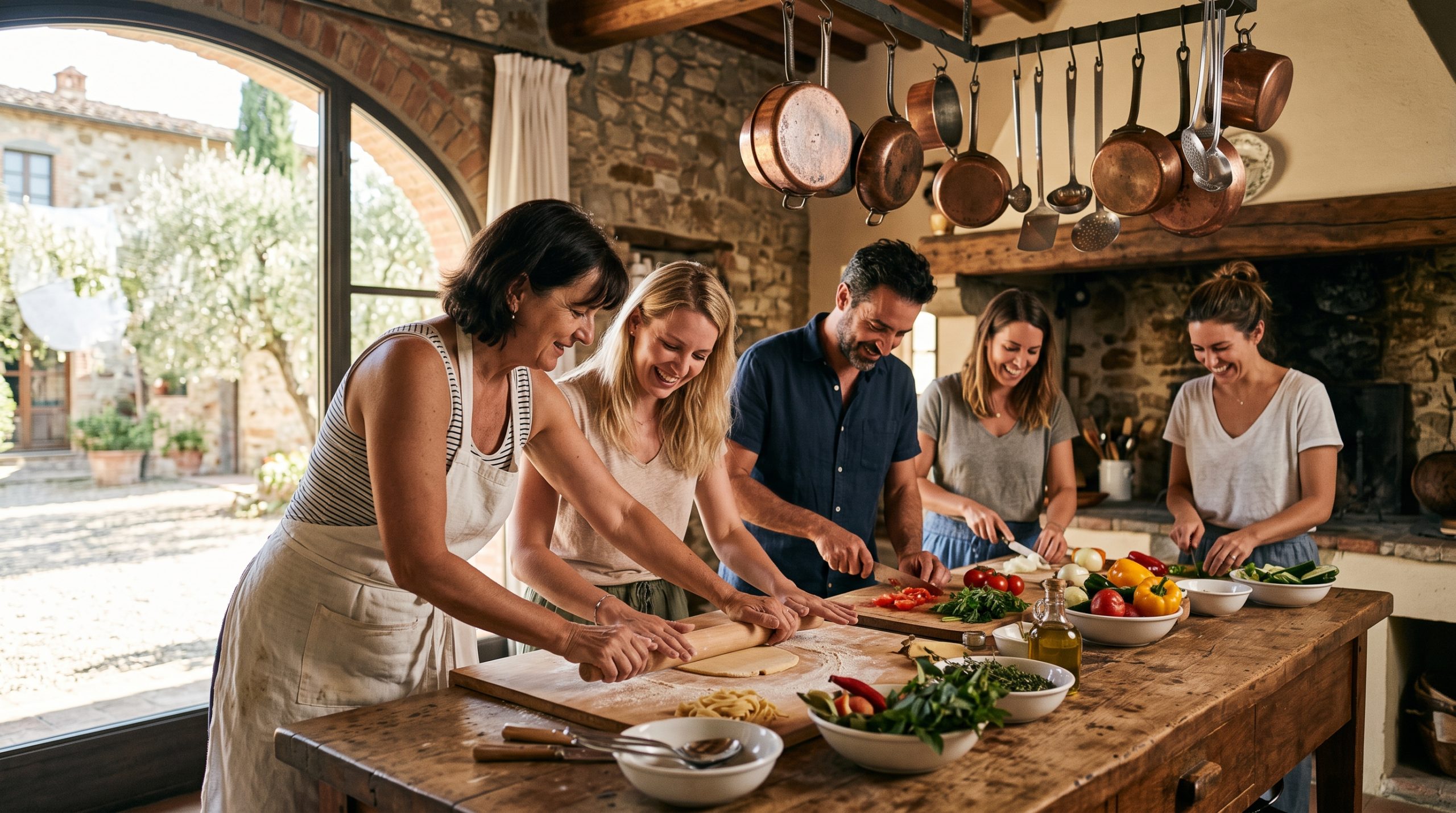

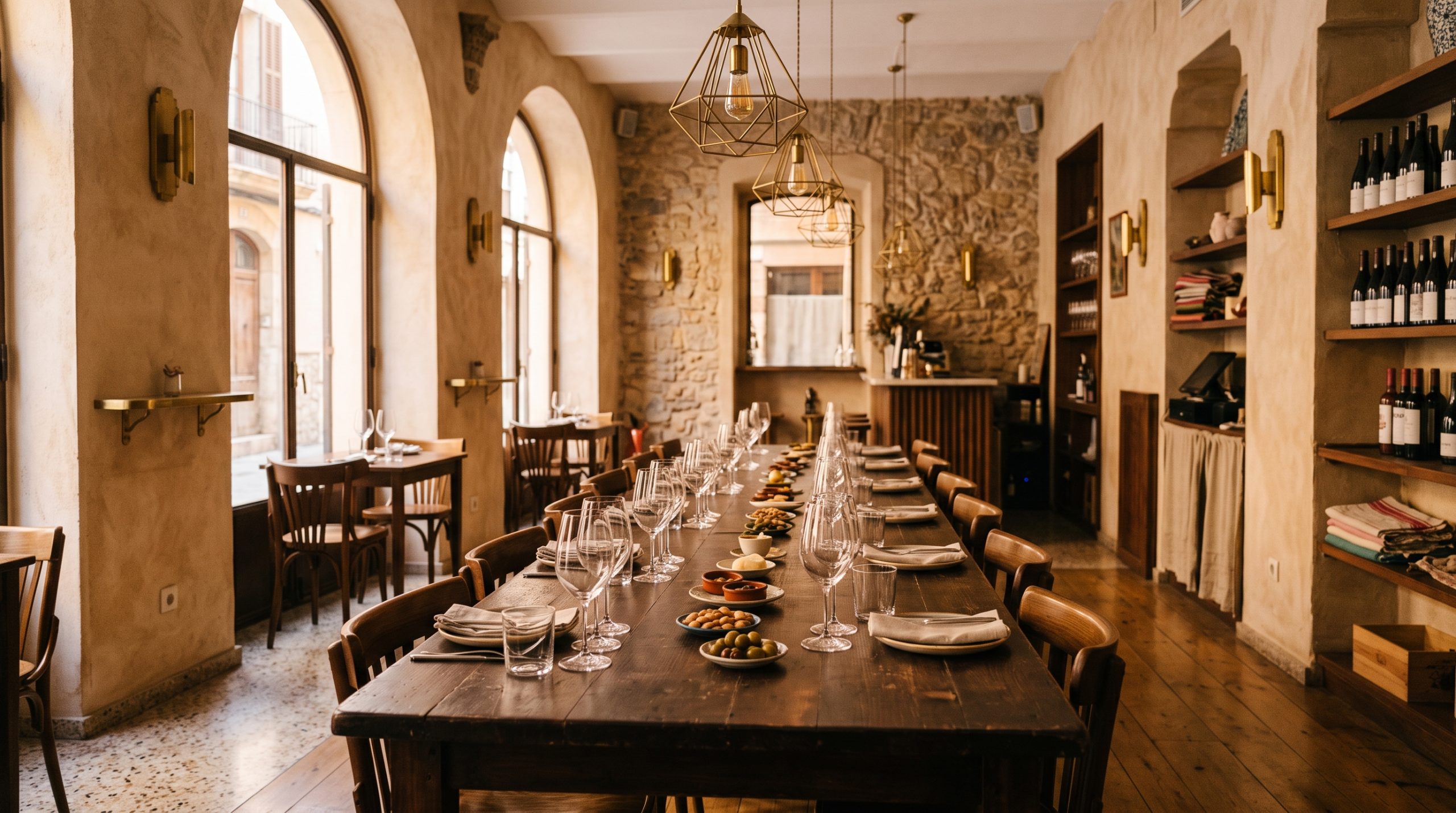
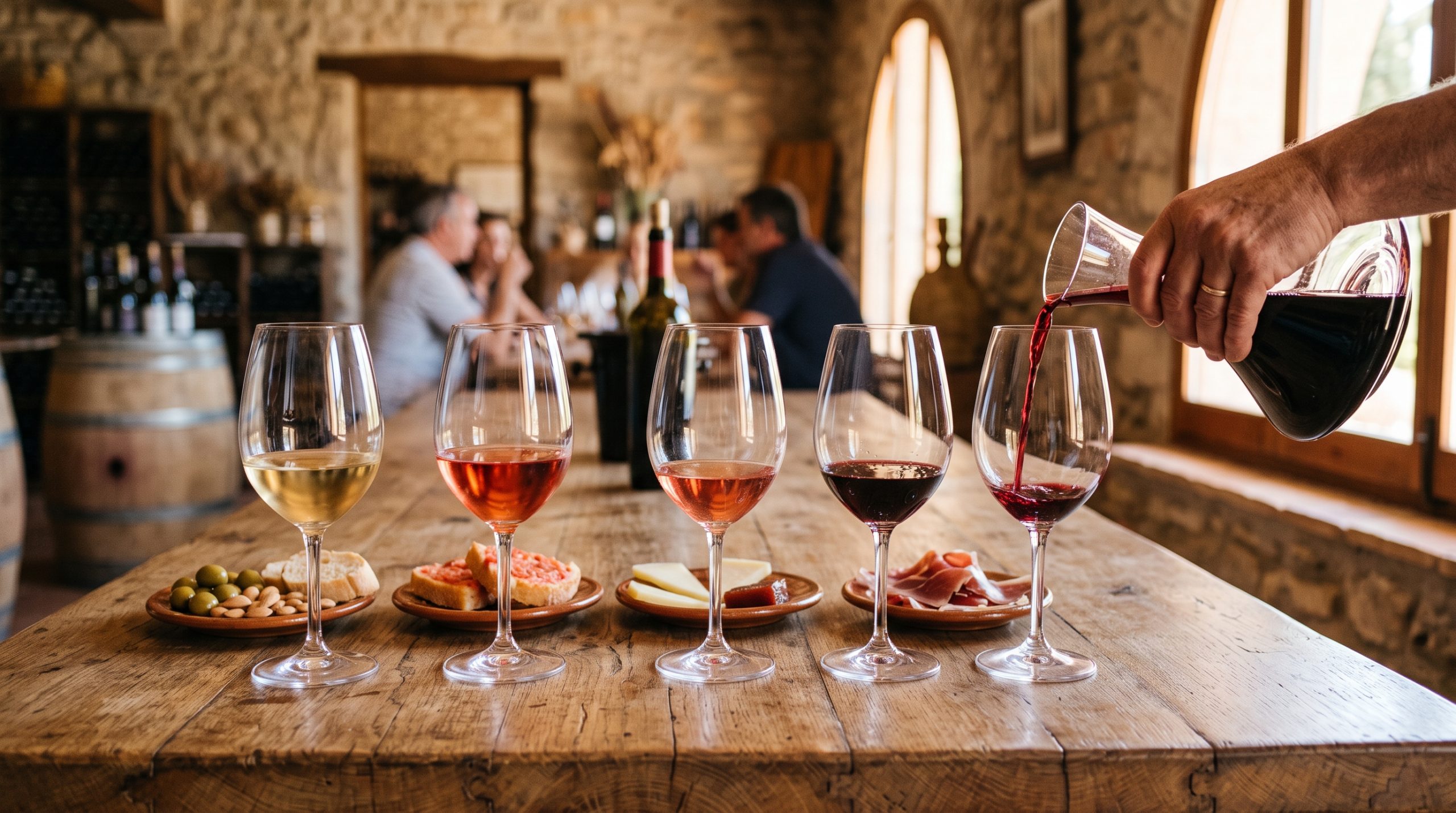

From €129 · 4 hours · Max 8 guests · Gift vouchers available
Can You Make Tumbet Without Frying?
You can, and it is worth being clear about what you are trading away. The traditional method is fry, then layer, then give it a short bake. So the oven is not the modern shortcut some articles imply. It is already part of the classic dish.
The genuinely modern version is the one that replaces the frying with roasting: the vegetables go into the oven in oil rather than into a pan. It is lighter, it uses far less oil, and it is a reasonable weeknight adaptation. What it is not is the same dish, because the frying is what gives the potato and aubergine their texture and what carries the flavour into the oil.
Interestingly, no Mallorcan authority we could find rules the oven-roasted version out. The only purist objection anyone actually records is about courgette. Roasting your peppers instead of frying them is entirely normal, and one Mallorcan source notes that some households skip the bake altogether and just let it rest. As the same source puts it, each house is a world.
Tumbet vs Ratatouille and Pisto
Recipes usually wave at this and move on, often saying it is unclear which came first. Here is a more useful answer.
Tumbet, ratatouille, pisto, Catalan samfaina and Sicilian caponata are parallel Mediterranean siblings rather than one being descended from another. They arose in different places from the same summer glut of the same New World vegetables. Asking which came first is close to asking which region invented the tomato salad.
| Tumbet | Pisto | Ratatouille | |
|---|---|---|---|
| Where | Mallorca | Mainland Spain | Provence |
| Method | Fried separately, then layered | Cooked together in one pan | Cooked together, or separately in the refined version |
| Structure | Distinct layers you can see | Stirred, homogeneous | Stirred, or arranged |
| Potato | Yes, and it is the base | No | No |
| Served | Room temperature | Hot or warm | Hot or warm |
The separator is technique, and the potato. Cook the same vegetables together in one pan and you have made a pisto; layer them after frying them apart and you have made a tumbet. Within the Balearics there are close cousins too, including Ibiza’s frita and Menorca’s fritel·la.
How to Serve Tumbet
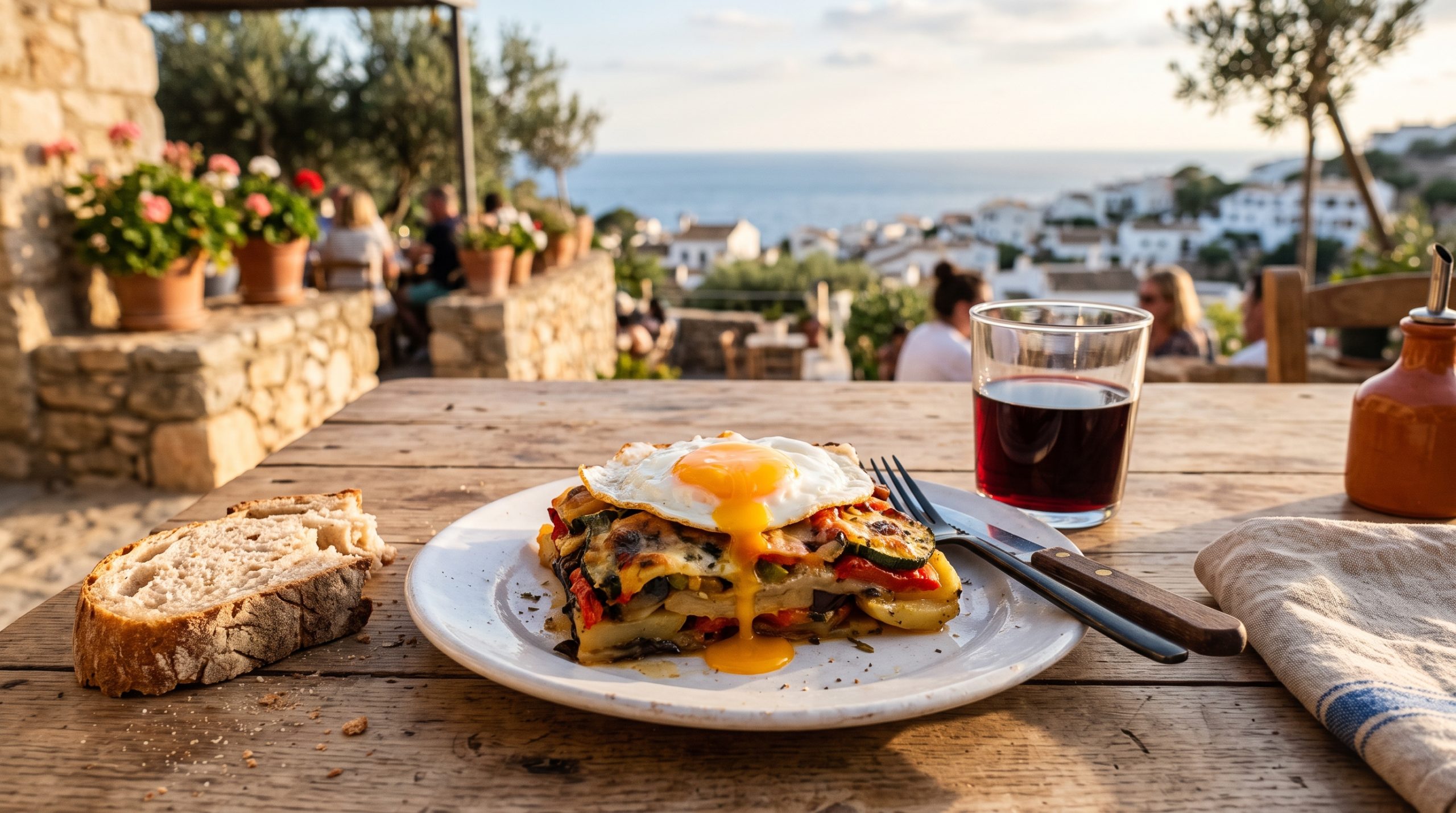
The detail almost every English recipe misses: Mallorcans serve tumbet at room temperature. It is a summer dish, made in heat, and it is not meant to arrive steaming. Restaurants will often serve it warm, but in a Mallorcan home it will have been sitting on the side for a couple of hours by the time you eat it, and it is better for it.
It works as a starter, as a side for meat or fish, or as a main course in high summer. A fried egg on top is well established and turns it into a full meal. With fish, salt cod is the classic pairing, and grouper and llampuga both appear. With meat, pork is what the Mallorcan sources actually name, usually loin or chops.
Serve it with plain country bread, and if you want to drink something local with it, a chilled Prensal Blanc handles the oil and the tomato better than a red would. That is the grape we pour on our Mallorcan Wine Tasting, and it is a genuinely good match for most of the island’s vegetable cooking.
When to Eat Tumbet in Mallorca
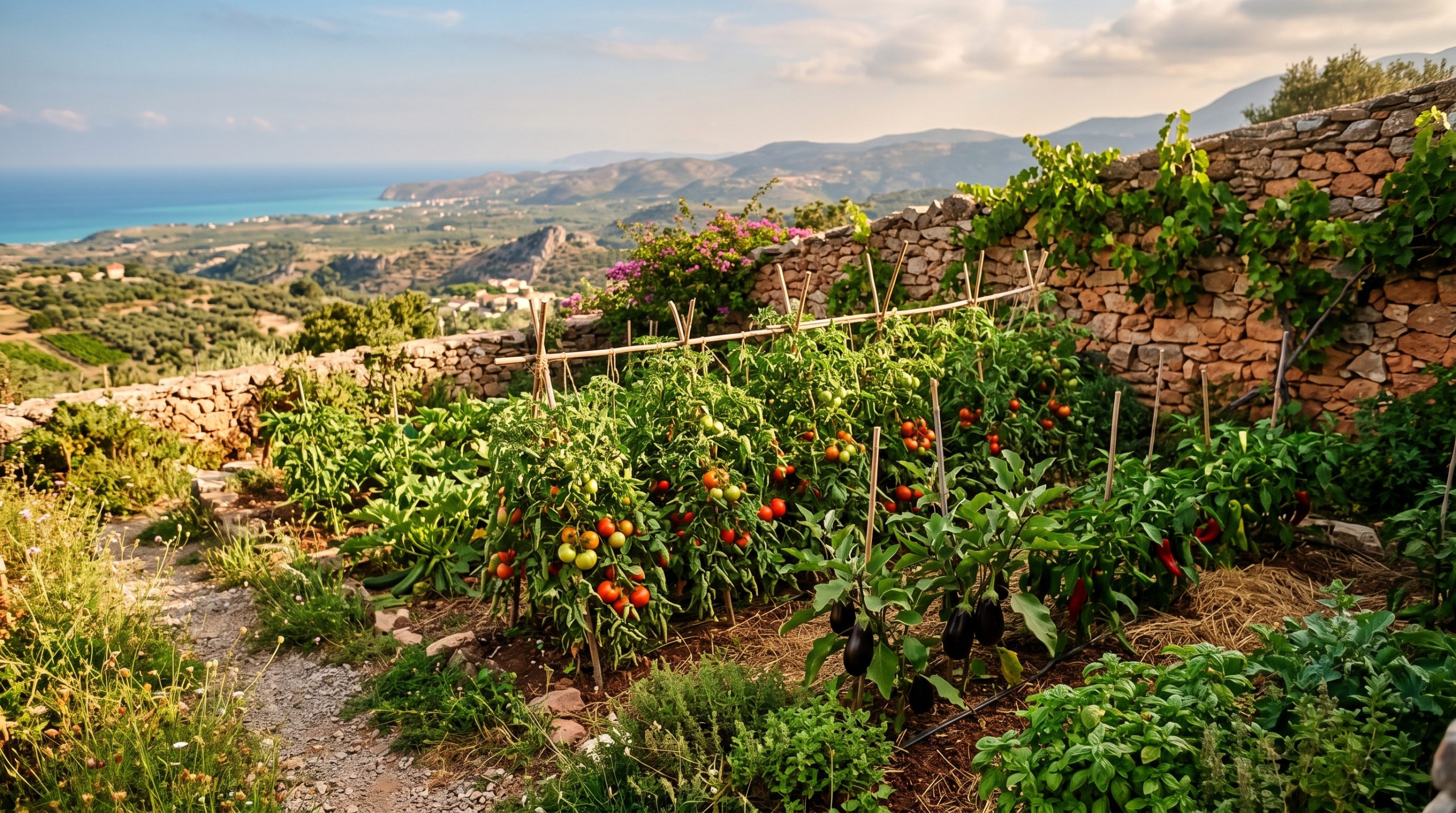
Tumbet is genuinely seasonal, which is easy to forget when every ingredient is available year round in a supermarket. On Mallorca, aubergines run from July to November, peppers July to October, tomatoes July to November, and potatoes March to October. The overlap, when all of it is at its best at once, is July to October and really July to September.
That is why island sources describe it as a summer dish prepared when the ingredients are at their peak, and why a tumbet eaten in Palma in August tastes noticeably better than one made in February anywhere. If you are visiting outside that window it will still be on menus, and it will still be good, but the tomatoes will be doing less of the work.
You will find it in the old cellers, in market bars, and on the menu at most traditional kitchens. The market counters in Santa Catalina serve it as a matter of course. The Old Town tapas bars serve it as a tapa, and it is one of the few dishes on a Mallorcan menu that a vegetarian can order without negotiation, since unlike almost everything else on the island it involves no pork whatsoever, and certainly no sobrasada.
Frequently Asked Questions
What Is Tumbet?
A Mallorcan dish of potato, aubergine and red pepper, each fried separately in olive oil and then layered in an earthenware dish under a plain tomato sauce. It is usually given a short bake and served at room temperature. Potato goes at the bottom, then aubergine, then pepper, then the sauce.
How Do You Pronounce Tumbet?
Roughly “toom-BET”, with the stress on the second syllable and a short u as in book. In Catalan it is written tombet and sounds much the same. Nobody on Mallorca will mind either way.
Why Are the Vegetables Fried Separately?
So the flavours do not mix in the oil, and so each vegetable can be taken off the heat at its own right moment. Potato and aubergine do not need the same time in the pan. Frying them together produces something closer to a pisto, which is a different dish.
Is Tumbet the Same as Ratatouille?
No. They are parallel Mediterranean dishes rather than one deriving from the other. Tumbet contains potato and is built in visible layers from vegetables fried separately; ratatouille has no potato and is generally cooked together. Tumbet is also served at room temperature rather than hot.
Does Tumbet Contain Courgette?
It depends who you ask, and this is a real disagreement on the island. Catalan reference sources and purists give it as potato, aubergine and pepper only, and consider courgette less authentic. Many Mallorcan households and publications include it as standard. Cook it without the first time, then decide.
Is Tumbet Served Hot or Cold?
Room temperature, which surprises most visitors. It is a summer dish and Mallorcan cooks typically make it hours ahead and let it settle. Restaurants often serve it warm. Straight from a hot oven is the one way it is not traditionally eaten.
Is Tumbet Vegetarian?
Yes, and it is vegan as written, since it is only vegetables, olive oil and salt. That makes it one of very few traditional Mallorcan dishes a vegetarian can order without adaptation. Note that it is often served with a fried egg, salt cod or pork, so specify if you want it plain.
Cook With Us
Learn the dishes, not just the recipe
Our chef-led Olivar Market Tour and Tapas Class shops for what is actually in season, then cooks it with you in our Old Town kitchen. Eight guests maximum, recipes to take home. From €129 per person.
Check availabilityPrivate and corporate groups up to 32 guests · Get in touch
Quantities are adapted from the recipe published by Gastronosfera. No Mallorcan institution publishes a canonical tumbet recipe, and household versions vary; where sources disagree we have said so rather than picking one silently.
Leave a Reply