

At A Glance
The best bars in Palma Old Town are not one scene but four: barrel bodegas, vermouth counters, pincho bars and a handful of hotel rooftops on the edge of the quarter.
- A glass of house wine from the barrel runs roughly €2 to €3.50. A rooftop cocktail runs €14 to €18.
- Vermut is a Saturday and Sunday ritual here, poured from about 12:30 until lunch.
- The Old Town has almost no true rooftops inside the walls. They sit on its edges, in hotels.
- Bars fill from 21:00. Arriving at 19:30 means an empty room and a bored barman.
- Walk east of the town hall for locals, west towards the Born for visitors and higher prices.
Ask ten people for the best bars in Palma Old Town and you will get ten lists that share almost nothing, because they are answering four different questions. Someone wants a barrel of Mallorcan wine and a plate of olives for under a fiver. Someone else wants a cocktail with a cathedral view. Both are in the Old Town. They are three hundred metres and about fifteen euros apart.
This guide splits the Old Town bar scene into the four things it actually is, so you can pick the one that matches your evening rather than following a list that mixes them together. If you are looking specifically for food rather than drinks, our guide to the best tapas bars in Palma de Mallorca covers where to eat rather than where to drink.
Everything below sits inside the medieval quarter or on its immediate edge, which means you can walk between all of it in under twenty minutes. That compactness is the real argument for drinking in the Old Town rather than heading out to Santa Catalina or the Paseo Marítimo.
Where the Best Bars in Palma Old Town Actually Are

The Old Town is not evenly distributed. Draw a line down the Passeig del Born and the character changes completely on either side of it. West, towards the Born and Jaume III, you get hotel bars, international cocktail lists and terrace pricing. East, into the lanes around Plaça Santa Eulàlia and up into Sa Gerreria, you get bodegas, vermouth counters and rooms full of people who live here.
The most useful rule for finding good bars in Palma Old Town is distance from the cathedral. The approach streets between La Seu and the Born carry the highest concentration of visitors and the highest prices, and the quality is inconsistent. Three or four streets inland the same glass of wine costs half as much and the room sounds different.
Sa Gerreria deserves a specific mention. It was the old potters’ quarter, was rough for decades, and has been steadily rebuilt over the past fifteen years into the part of the Old Town with the highest density of small independent bars. It is still scruffy in places. That is the point.
Bars in Palma Old Town Compared
Four types, four different evenings. Prices are for a standard drink in shoulder season and rise in July and August.
| Type of bar | What you order | Typical price | Best time | Where in the Old Town |
|---|---|---|---|---|
| Barrel bodega | House red or white from the barrel | €2–€3.50 | 20:00–23:00 | Santa Eulàlia, La Rambla end |
| Vermouth counter | Vermut de grifo with orange and olive | €3–€5 | 12:30–14:30, weekends | Sa Gerreria, Santa Eulàlia |
| Pincho bar | Pinchos by the stick, caña of beer | €1.80–€3 each | 19:30–22:00 | Around Plaça del Mercat |
| Cocktail bar | Classics and signatures | €10–€14 | 21:00 onwards | Lanes off the Born |
| Hotel rooftop | Spritz, gin and tonic, cava | €14–€18 | 19:00–21:30 for sunset | Edges of the quarter |
The Best Bars in Palma Old Town by Type
Ordered from the most traditional to the most polished. If you only have one night, start with the first.
1. Barrel Bodegas: The Most Traditional Bars in Palma Old Town
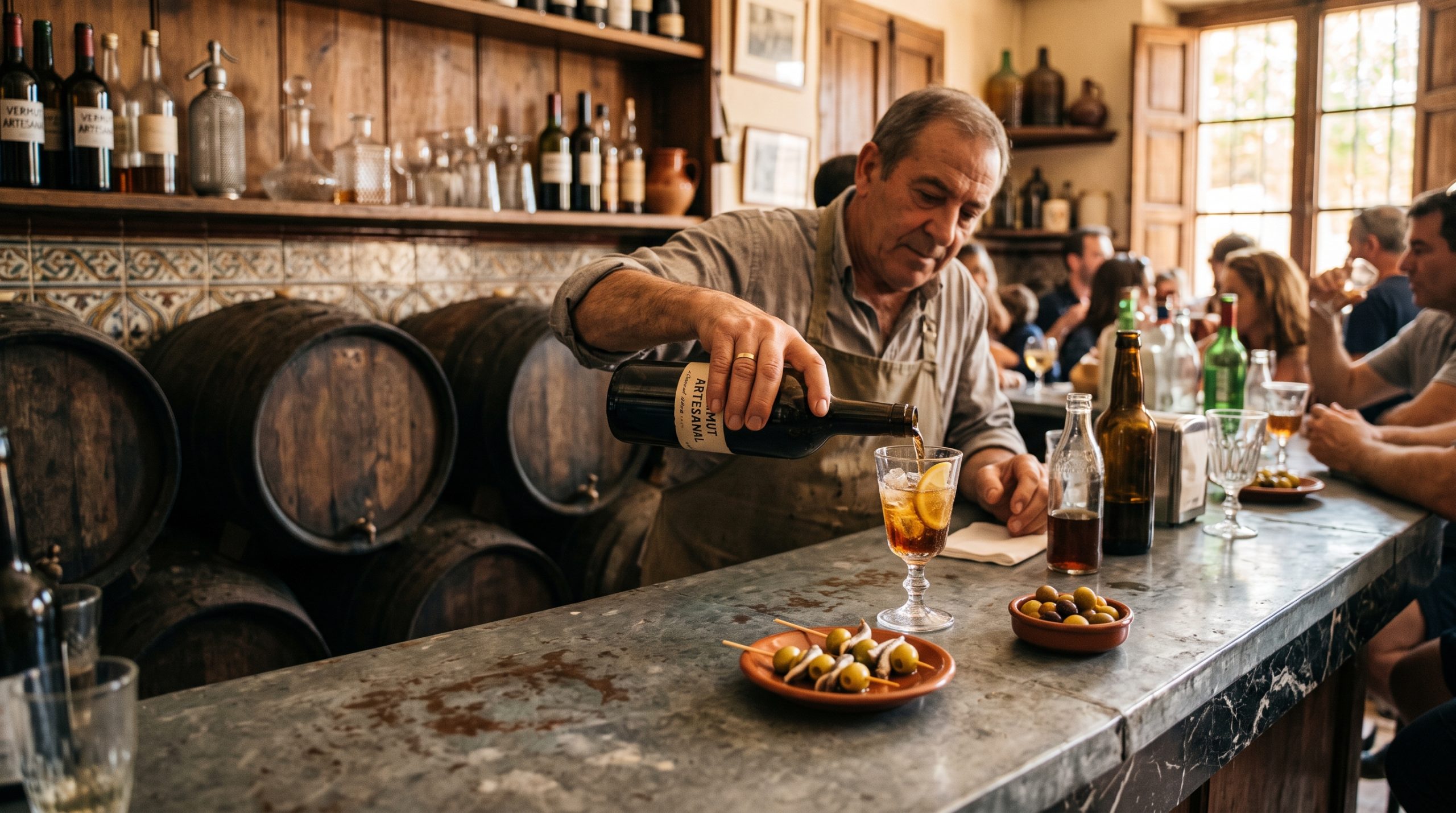
A bodega in the Palma sense is a wine shop that grew a bar. The oak barrels behind the counter are not decoration, they are stock, and the house wine is drawn from them into a small tumbler rather than a wine glass. These are the oldest bars in the Old Town and several have been trading in the same room for sixty or seventy years.
What you get is a glass of Mallorcan red or white for two to three euros, a plate of olives or almonds without asking, and a room where nobody is performing for anybody. The food is incidental and usually excellent: sobrasada on toast, a variat of small plates, tinned anchovies that cost more than the wine. Order at the bar, tell them what you have had when you leave, and pay then.
These bars close earlier than you expect. Many stop serving around eleven and some shut on Sundays entirely. They are also the hardest type to find by searching, because most have no website and several have no sign. Walking the lanes east of Plaça Santa Eulàlia and looking through open doors for barrels is genuinely the method.
2. Vermouth Bars: The Weekend Ritual in Palma Old Town

Vermut is not a drink here so much as a time of day. From roughly half past twelve on a Saturday or Sunday, Palma sits down with a glass of red vermouth on ice, a slice of orange, an olive on a stick, and something salty to go with it. It runs until lunch and then stops. Ordering vermut at nine in the evening will get you served, but you will be the only one.
Look for the phrase vermut de grifo, meaning on tap. The tapped house vermouth is usually made locally, is softer and less sweet than the bottled Italian style, and costs three to five euros. It arrives with anchovies, crisps or olives without you asking. This is the single most Mallorcan hour of the week and it costs almost nothing to join.
The vermouth bars cluster in the same lanes as the bodegas, and several bars are both. The distinction is the hour rather than the address: the same counter that pours vermut at one o’clock will be pouring wine at nine. If you want to understand how Palma actually drinks, come on a Sunday at half past twelve rather than a Friday at ten.
3. Pincho and Counter Bars in Palma Old Town
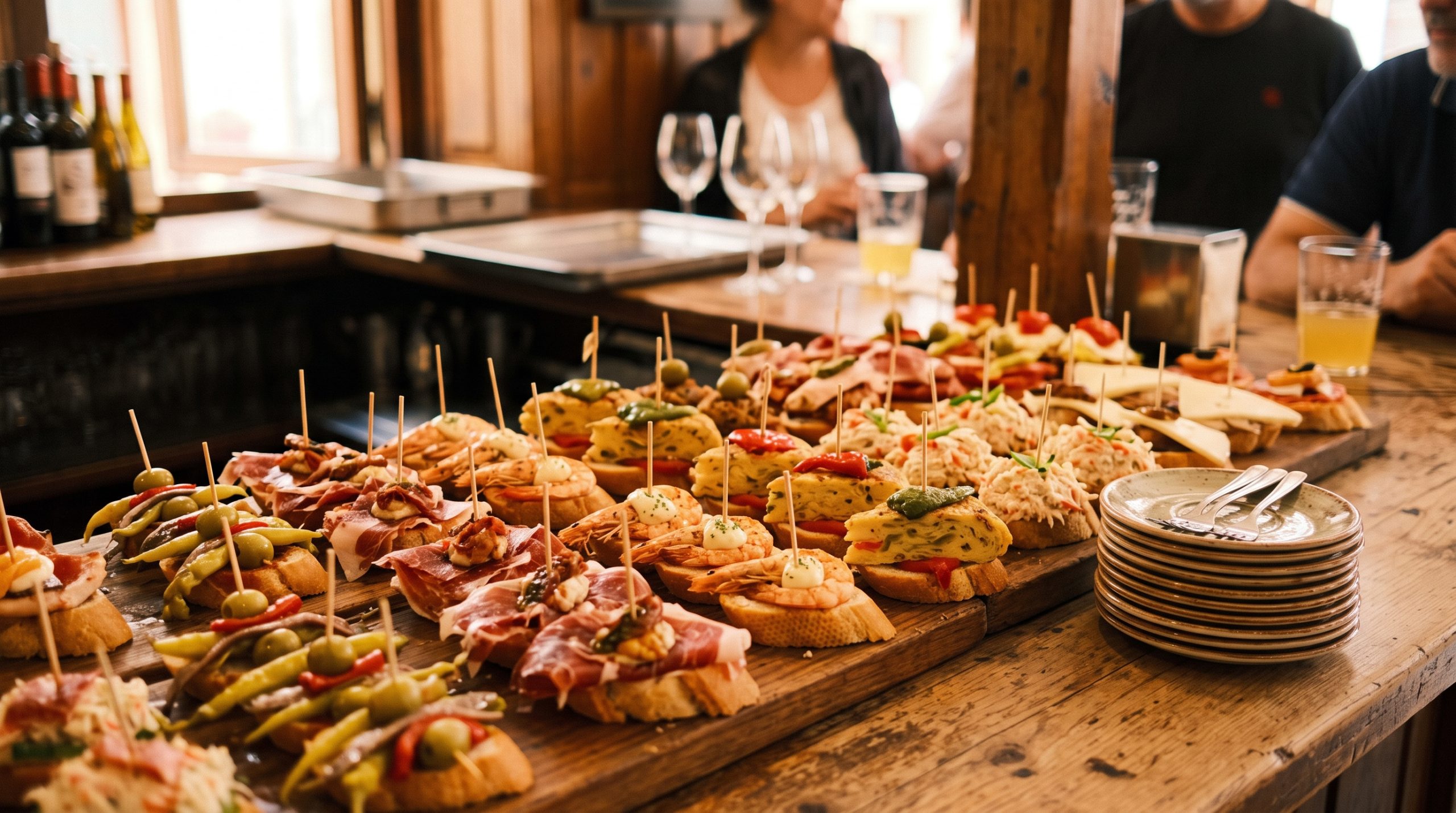
Pincho bars work on a simple system that confuses visitors for about ten minutes and then becomes the easiest way to eat and drink in the city. Small pieces of bread with something on top are laid out along the counter, each held together with a cocktail stick. You take what you want, eat standing up, and keep the sticks.
At the end the barman counts your sticks and charges you, usually between €1.80 and €3 each. Order a caña, the small draught beer, rather than a pint: it stays cold, it is what everybody else is drinking, and it costs about two euros. The whole exercise rarely passes fifteen euros a head.
This is a Basque import rather than a Mallorcan tradition, so purists will tell you it is not local. They are right and it does not matter. It is the most efficient early-evening option in the Old Town, it works well for a group who cannot agree on a restaurant, and it fills the gap between six and nine when Mallorcan kitchens are still closed.
4. Cocktail Bars in Palma Old Town
Palma’s cocktail scene has grown considerably in the past decade and the good rooms are hidden in the lanes off the Born rather than on it. Expect ten to fourteen euros for a well-made classic, proper ice, and bartenders who will build something to a description if you give them one.
The local angle worth pursuing is gin. Mallorca has a real distilling scene now, and the better Old Town bars stock island gins alongside the international names. Asking for a gin and tonic made with a Mallorcan gin will usually get you a short conversation and something more interesting than a Hendrick’s. Our Mallorca gin guide covers which distilleries are worth knowing by name.
Timing matters more here than anywhere else in this guide. Cocktail bars in the Old Town are quiet until nine and busy from half past ten. If you want a seat and a conversation with the bartender, arrive early. If you want atmosphere, arrive late.
5. Rooftop Bars In and Around Palma Old Town

Here is the thing most rooftop lists will not tell you: the Old Town has very few genuine rooftop bars inside its walls. The medieval quarter is protected, the buildings are low and tightly packed, and you cannot simply put a terrace on top of a listed sandstone townhouse. Almost every rooftop in Palma sits in a hotel, and most of those hotels are on the edges of the quarter rather than in the middle of it.
That is not an argument against going. A rooftop with the cathedral lit up in front of you is worth doing once, and the good ones are genuinely good. It is an argument for treating it as a separate errand rather than expecting to stumble across one. Budget €14 to €18 a drink, book if you want sunset in July or August, and check whether the terrace is guests-only before you walk over.
The practical play is to use a rooftop for the hour before dinner and then come down into the lanes. Sunset drinks at seven, a table in a bodega at nine. That sequence gives you the view and the city, which is more than either gives you alone.
When to Drink at Bars in Palma Old Town
Timing is the single biggest thing visitors get wrong, and it is the reason people conclude that the Old Town is dead when in fact they simply arrived two hours early.
Mallorcan bars run late. A bodega at half past seven will have three people in it and none of them will be under fifty. The same room at half past nine will be three deep at the counter. Cocktail bars run later still and do not really begin until ten. If you are used to a northern European evening, everything here happens roughly two hours after you expect it.
The exceptions are worth knowing. Vermouth is a midday ritual and only at weekends. Pincho bars are the one category that works early, which makes them useful if you are eating with children or have an early start. And Sunday evening is quiet across the whole quarter, with a good number of the traditional bars closed entirely.
Which Bar In Palma Old Town Suits You
- First night, want the real thing: a barrel bodega east of Plaça Santa Eulàlia, from 21:00.
- Sunday lunchtime: vermut de grifo, 12:30, anywhere in Sa Gerreria.
- Eating early or with children: a pincho counter from 19:30.
- Celebrating something: a hotel rooftop for sunset, then down into the lanes.
- Want to drink local spirits: a cocktail bar off the Born, and ask for Mallorcan gin.
- On a budget: bodegas and pinchos. Two people can drink and eat well for €30.
How Bars in Palma Old Town Compare with Santa Catalina
The two drinking districts are fifteen to twenty minutes apart on foot and they are not competing for the same evening. The Old Town is older, denser and more traditional, and its best rooms are the ones that have not changed. Santa Catalina is newer to the scene, more design-led, and its bars skew towards cocktails, natural wine and a younger crowd.
If you want barrels, vermouth and a room where the average age is sixty, stay in the Old Town. If you want somewhere that fills at eleven and has a queue, walk west. Our Santa Catalina food guide covers that quarter in detail, including which streets carry the bars.
Most visitors with three or four nights should do both, on separate evenings, rather than trying to combine them. The walk between them at midnight is straightforward and well lit, but doing both in one night means rushing the part you would have preferred.
Drink Mallorcan, With Someone Who Knows the Bottles
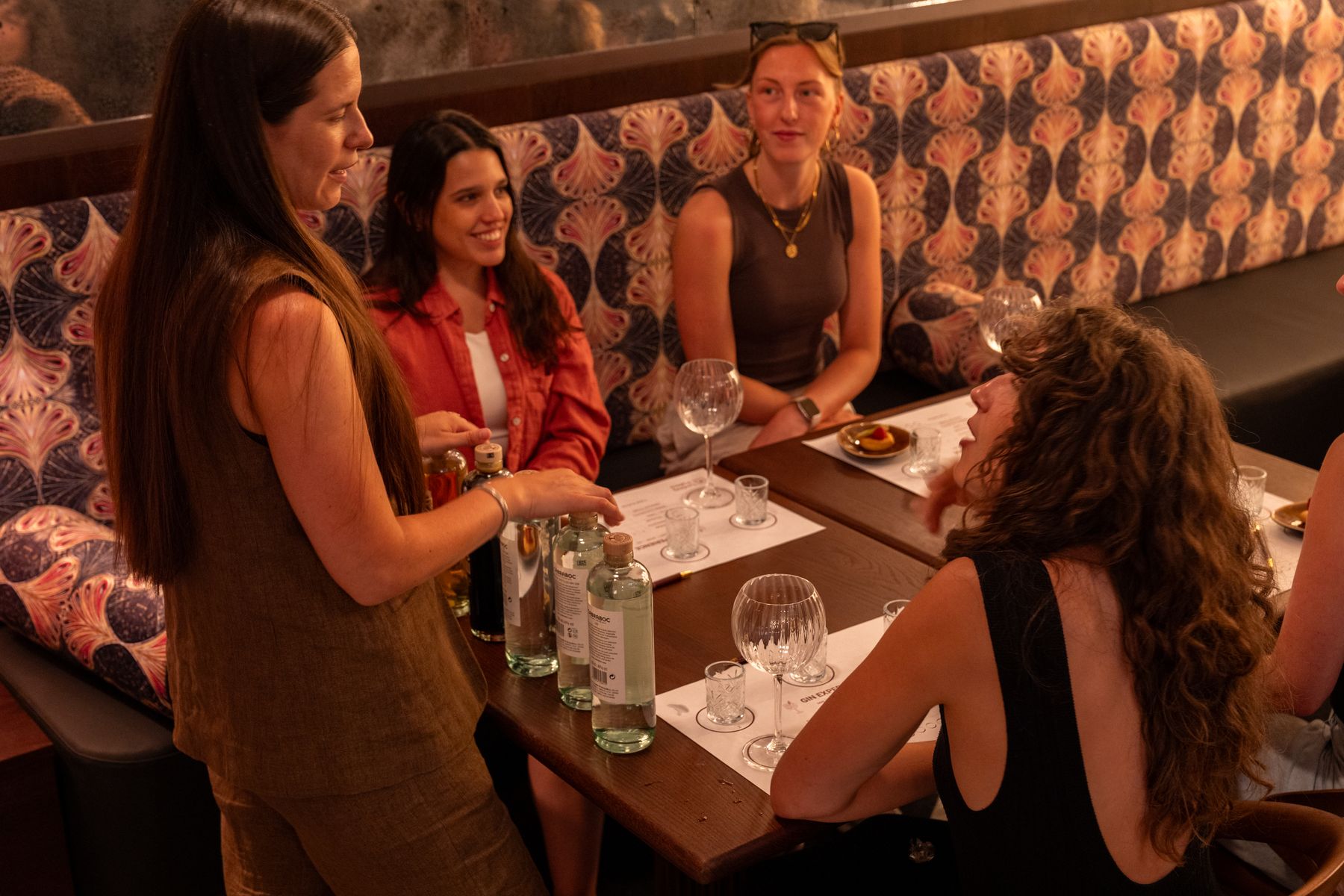
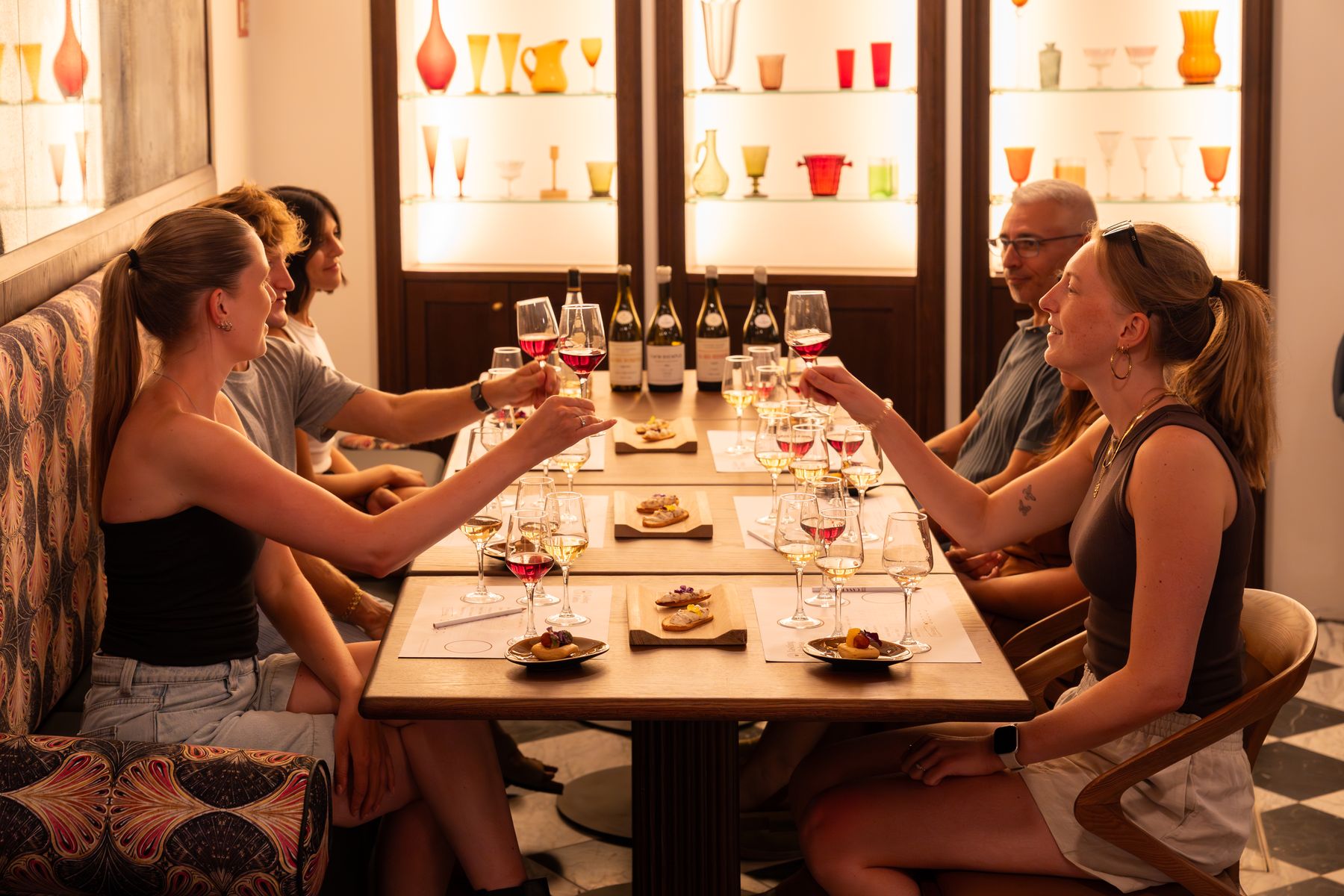
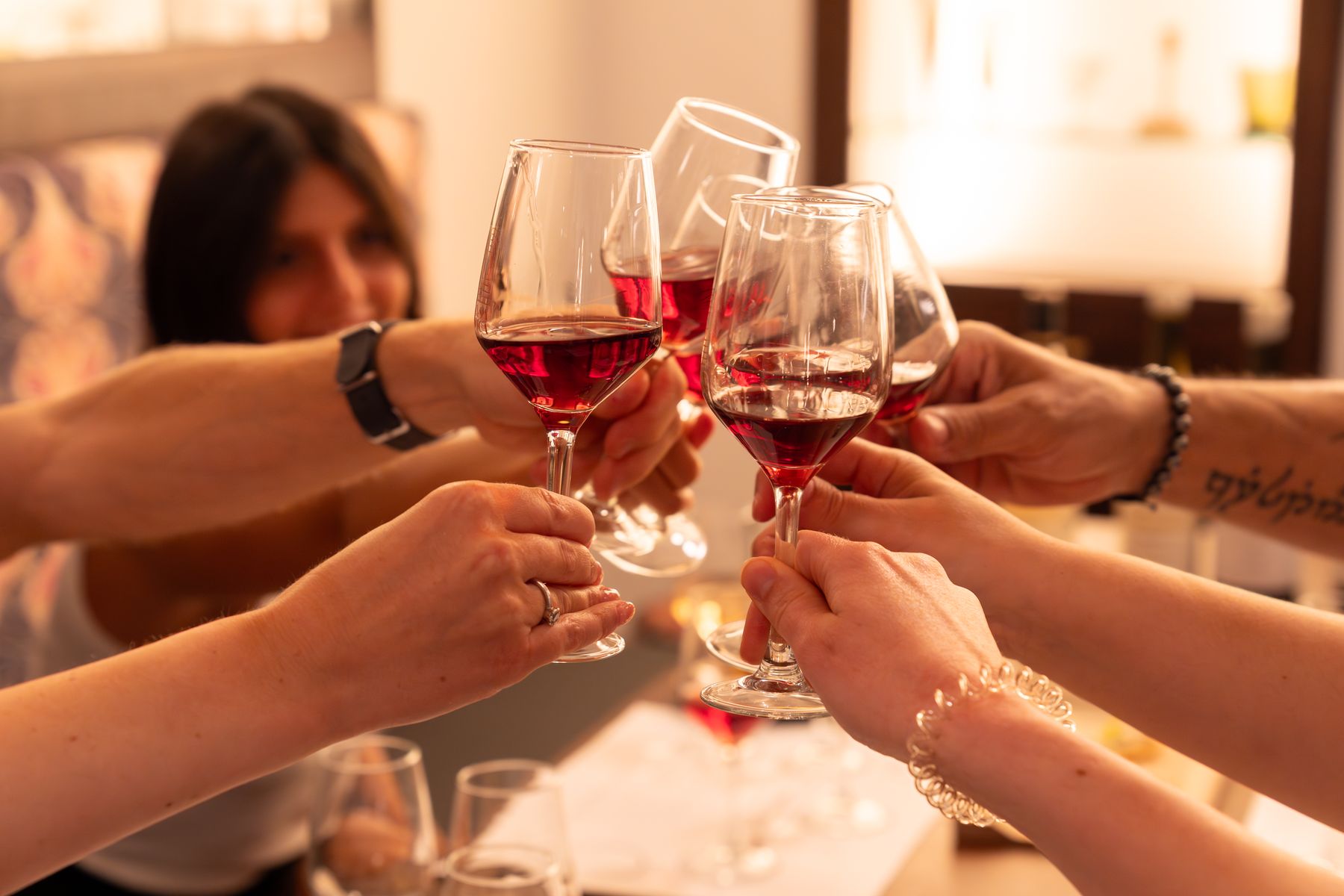
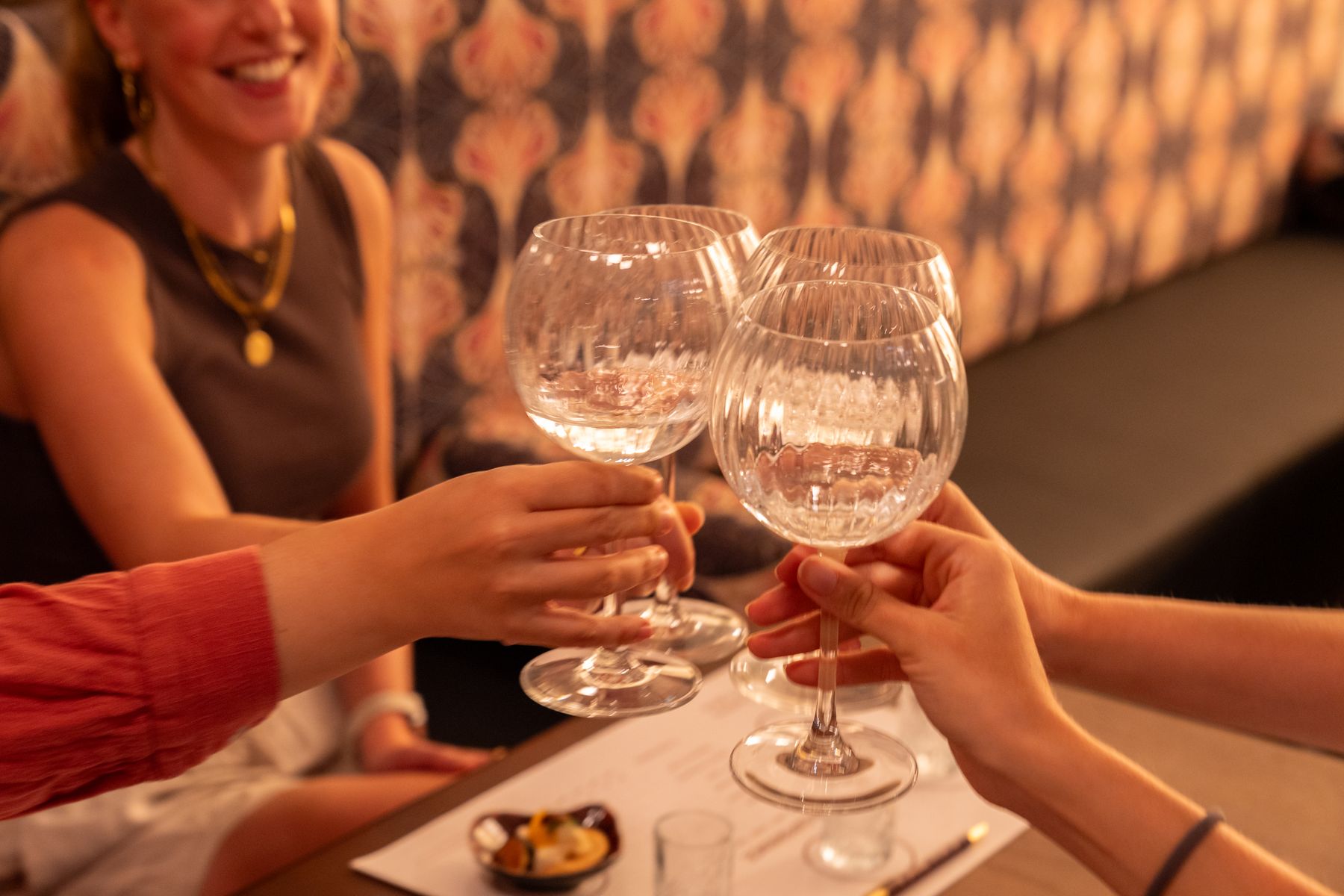
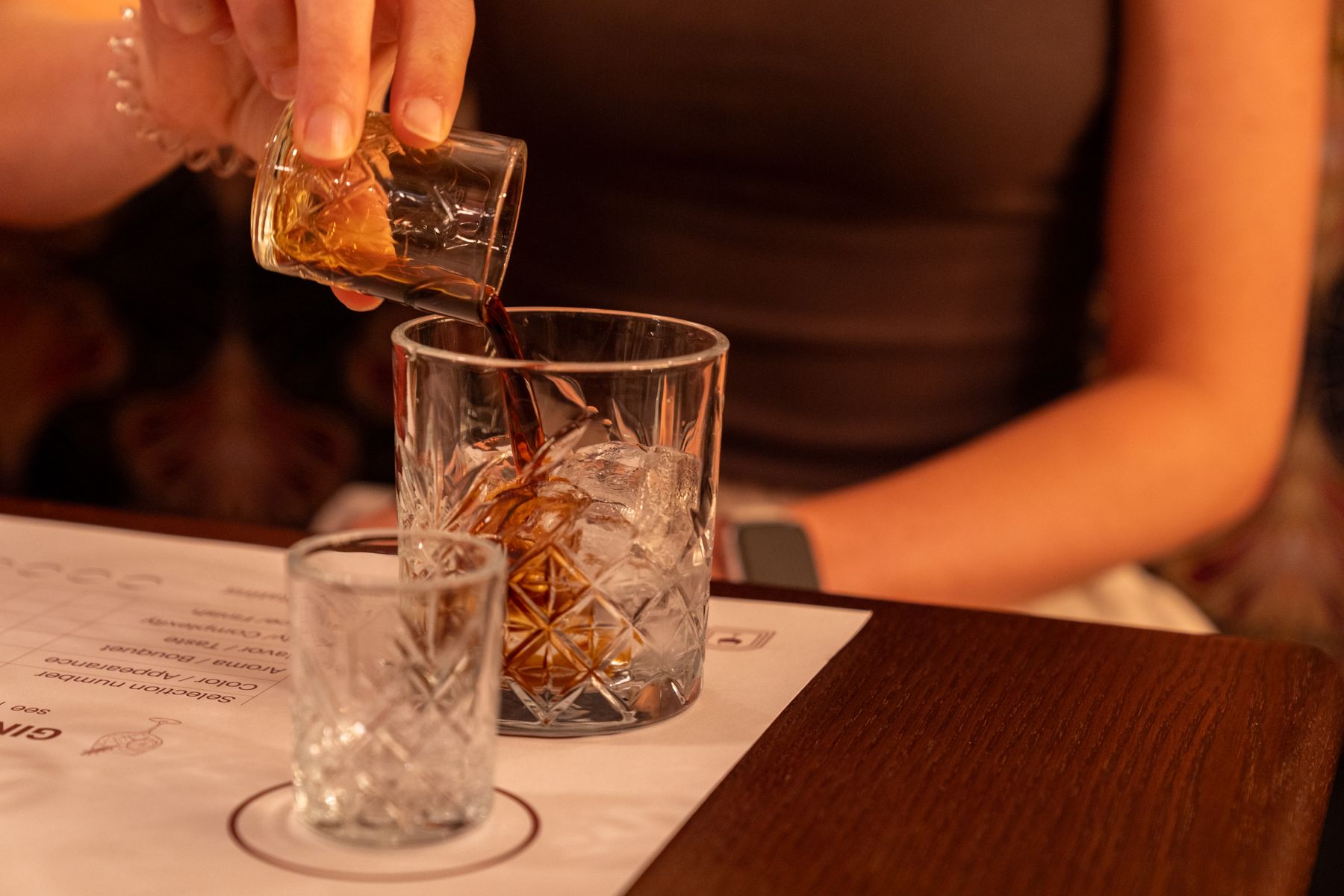
Our small-group tastings run in Palma Old Town: Mallorcan wines with tapas pairings, island gins with a host who can explain the botanicals, and speciality coffee with a 75-year-old roastery. Groups of six or fewer.


Practical Notes for Drinking in Palma Old Town
Pay at the end, not per round. In a bodega or a traditional bar you run a tab by memory. The barman will remember what you had, and being asked to pay for each drink as it arrives is a sign you are in a tourist room.
Tipping is light. Rounding up or leaving small change on the counter is normal and sufficient. Nobody expects a percentage, and leaving twenty per cent will mark you out more than it will please anyone.
Standing is cheaper than sitting in some bars, and sitting on a terrace can carry a surcharge again. It is rarely a large difference in the Old Town, but it explains why the counter is full and the tables are empty. If you want to know what a place is really like, stand at the bar. For a full picture of eating as well as drinking, our Palma food guide sets out what to order across the city.
Most traditional bars do not take reservations, and several of the older bodegas still do not take cards. Carry twenty or thirty euros in cash for an evening in the eastern lanes. The rooftops and cocktail bars are the opposite: card everywhere, and worth booking at weekends between June and September.
Groups above about six become difficult in the Old Town. The rooms are small, the bars are historic and cannot be reconfigured, and a party of eight arriving unannounced at half past nine will usually be split across two ends of a counter. If you are a larger group, either book somewhere that takes reservations or accept that you will be standing.
One last thing worth saying plainly, because no list will tell you: the best bar in Palma Old Town on any given night is usually the one that is full of people speaking Catalan or Spanish. That single test will serve you better than any ranking, including this one.
Bars in Palma Old Town: Frequently Asked Questions
What Are the Best Bars in Palma Old Town?
It depends which of the four scenes you want. For tradition, the barrel bodegas east of Plaça Santa Eulàlia, where house wine is €2 to €3.50 a glass. For a weekend ritual, a vermouth counter in Sa Gerreria from 12:30. For cocktails, the lanes off the Passeig del Born. For a view, a hotel rooftop on the edge of the quarter at €14 to €18 a drink.
Are There Rooftop Bars in Palma Old Town?
Very few inside the walls. The medieval quarter is protected and the buildings are low and tightly packed, so almost every rooftop bar in Palma sits in a hotel on the edge of the Old Town rather than in the middle of it. Treat a rooftop as a separate trip for sunset rather than something you will walk past, and check whether the terrace is open to non-guests.
What Time Do Bars in Palma Old Town Get Busy?
Bodegas and tapas bars fill from about 21:00 and peak between 22:00 and midnight. Cocktail bars start later, around 22:30. Arriving at 19:30 will usually mean an almost empty room, which is the most common mistake visitors make. The exceptions are pincho bars, which work from 19:30, and vermouth, which is a midday ritual at weekends.
How Much Do Drinks Cost in Palma Old Town Bars?
House wine from the barrel is roughly €2 to €3.50 a glass and a caña of draught beer about €2. Vermut de grifo runs €3 to €5 and usually arrives with olives or anchovies included. Cocktails are €10 to €14 in the Old Town and €14 to €18 on a hotel rooftop.
What Is Vermut and Where Do You Drink It in Palma Old Town?
Vermut is red vermouth served over ice with a slice of orange and an olive, and in Palma it is a weekend midday ritual rather than an evening drink. Ask for vermut de grifo, meaning on tap, which is usually made locally and softer than bottled Italian styles. The counters around Sa Gerreria and Plaça Santa Eulàlia pour it from about 12:30 on Saturdays and Sundays.
Are Bars in Palma Old Town or Santa Catalina Better?
They suit different evenings. The Old Town is older and more traditional, with barrel bodegas, vermouth counters and an older crowd. Santa Catalina is more design-led and skews to cocktails, natural wine and a younger scene that fills later. They are a 15 to 20 minute walk apart, so with three or four nights it is worth doing both on separate evenings.
Do You Tip at Bars in Palma Old Town?
Only lightly. Rounding up the bill or leaving small change on the counter is normal and entirely sufficient. Percentage tipping is not expected in Mallorcan bars, and leaving 20 per cent will mark you out as a visitor more than it will please the staff.
Which Bars in Palma Old Town Serve Mallorcan Wine and Gin?
The barrel bodegas pour Mallorcan house wine by default, usually from Binissalem or Pla i Llevant. For island gin, ask at the better cocktail bars off the Born, which increasingly stock Mallorcan distillers alongside international names. A guided tasting is the fastest way to try several side by side and learn which producers to look for on a bar list.
Taste Mallorca Properly, in the Old Town
Small-group wine, gin and coffee tastings in the heart of Palma, hosted by people who know the producers. Six guests maximum, from €35 per person.
Book a Wine Tasting Ask Us a Question
Leave a Reply