


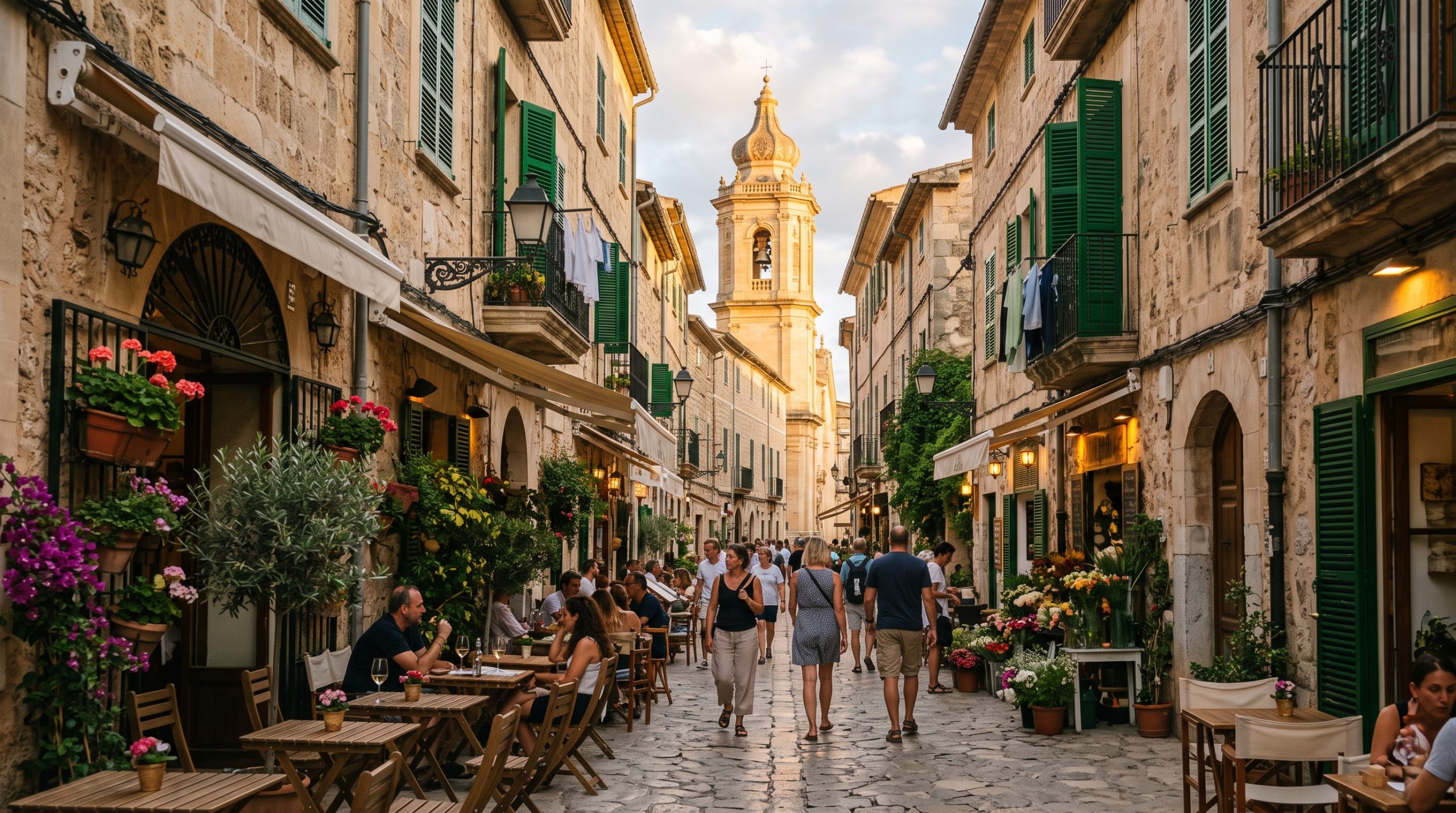
At A Glance
Palma eats like an island rather than like mainland Spain: preserved pork, unsalted bread, native grapes and a pastry protected by law.
- Eight dishes carry the island’s cooking. Sobrasada and pa amb oli are the two you will meet first.
- The Old Town, Sa Gerreria and Santa Catalina are the three areas worth eating in. Most visitors only find the first.
- Lunch runs 13:30 to 15:30 and dinner rarely starts before 21:00. Kitchens close in between.
- Mallorca grows grape varieties found almost nowhere else, several recovered from near extinction.
- The Mercat de l’Olivar is the working market. Go before 13:00 or the good stalls have packed up.
Mallorca spent most of its history feeding itself from a limited larder, and the cooking still shows it. Pork gets preserved rather than eaten fresh, bread is baked without salt and used as a vehicle for everything else, vegetables turn up raw and chopped through the summer, and the sweet things lean on almonds and lard. It overlaps with mainland Spanish food without being it, and the moment that becomes obvious is usually the first time you order what you assume is a tapa and get something you have never seen. Our Gourmet Palma Food Tour exists to shorten that learning curve.
This is the overview: the dishes worth knowing, the parts of the city worth eating in, the markets, what to drink, and how to book something if you would rather be shown than left to work it out. Where a subject deserves more room than a section, we have written it up separately and linked through, starting with the Old Town tapas bars that most of this food actually turns up in.
Twelve tastings, ten guests, four hours through the Old Town and the Olivar Market with a local guide.
See the food tourWhat to Eat in Palma
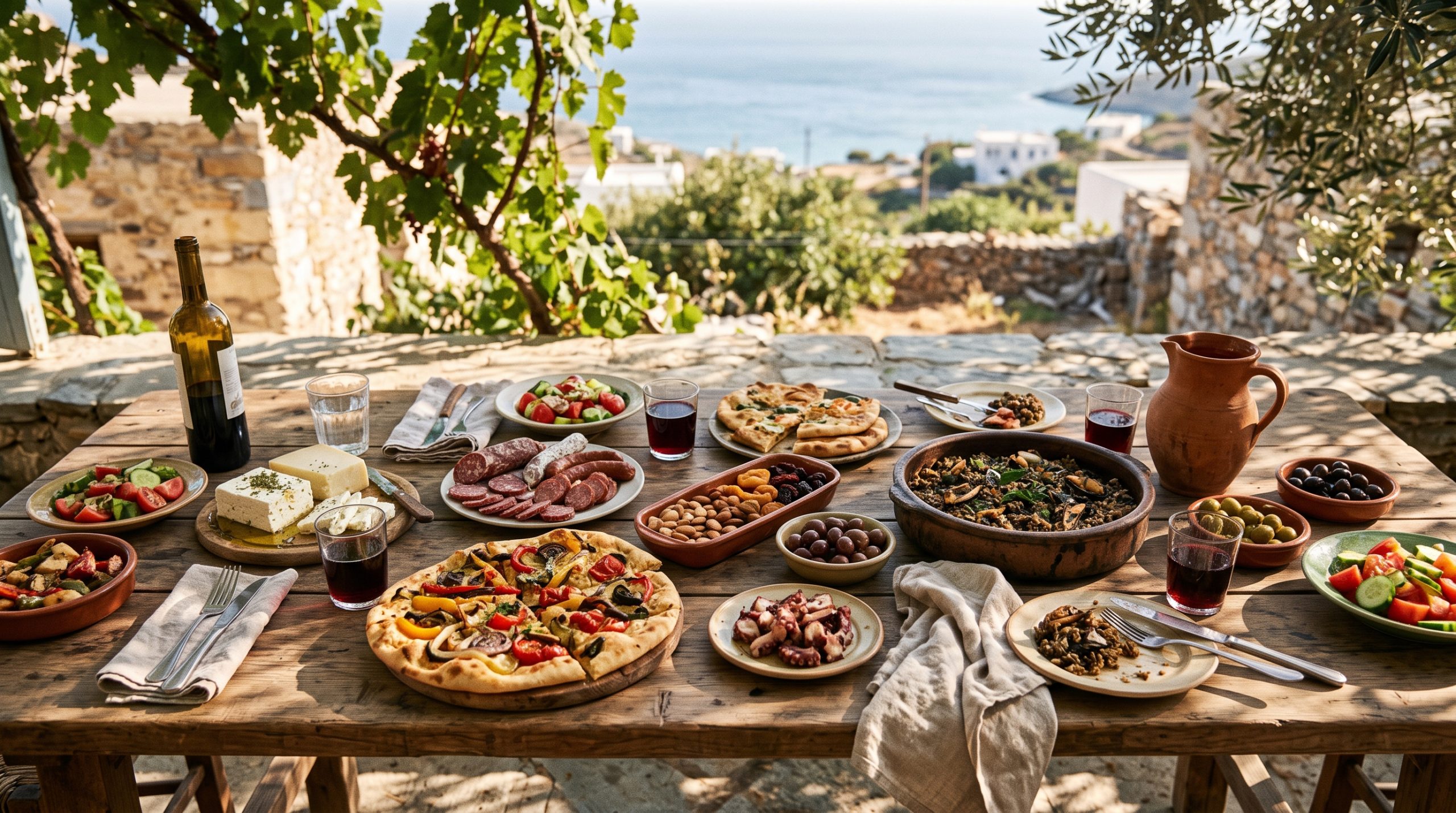
1. Sobrassada
The island in a single ingredient. Minced pork, paprika, salt and pepper, cured slowly in a casing until the fat and meat break down into something soft enough to spread with a knife. It is not sliceable like chorizo and it is not supposed to be. The paprika does the colouring and much of the flavour, and the quality varies enormously with the pig.
You will meet it spread on toast, usually with a drizzle of honey, and warmed under a grill so the fat loosens. It also goes into croquettes, gets folded into rice, and turns up as an ensaimada filling. The premium version comes from the black Mallorcan pig, the porc negre, and is worth the difference if a menu offers the choice.
2. Pa amb oli
Bread with oil, which undersells it considerably. Dense Mallorcan bread, traditionally unsalted, rubbed with the cut face of a soft ramíret tomato until the pulp works into the crumb, then covered in olive oil and salt. That is the base, and on its own it is a snack. Add cured sheep cheese, jamón, sobrassada or anchovy and it becomes a meal.
It is also the fairest test of a kitchen anywhere on the island, because there is nothing to hide behind. Bad bread, tired tomatoes or cheap oil all show up immediately. Order it early in a meal at a bar you have not tried before and you will know within a mouthful whether to stay.
3. Ensaïmada
The spiral pastry every visitor carries home in a flat tied box. Thin dough laminated with pork lard, proved slowly, baked and dusted with icing sugar. The name comes from saïm, the word for lard, and that is not decorative etymology: the protected designation makes lard mandatory, and vegetable fat disqualifies the product entirely.
Only two versions are legally protected, the plain llisa and the one filled with candied pumpkin. Crema, chocolate and sobrassada versions are real and widely sold but sit outside the designation. Which bakeries still do it properly, what the rules actually say and how to get one home intact are covered in our guide to the best ensaimada in Palma.
4. Arròs brut
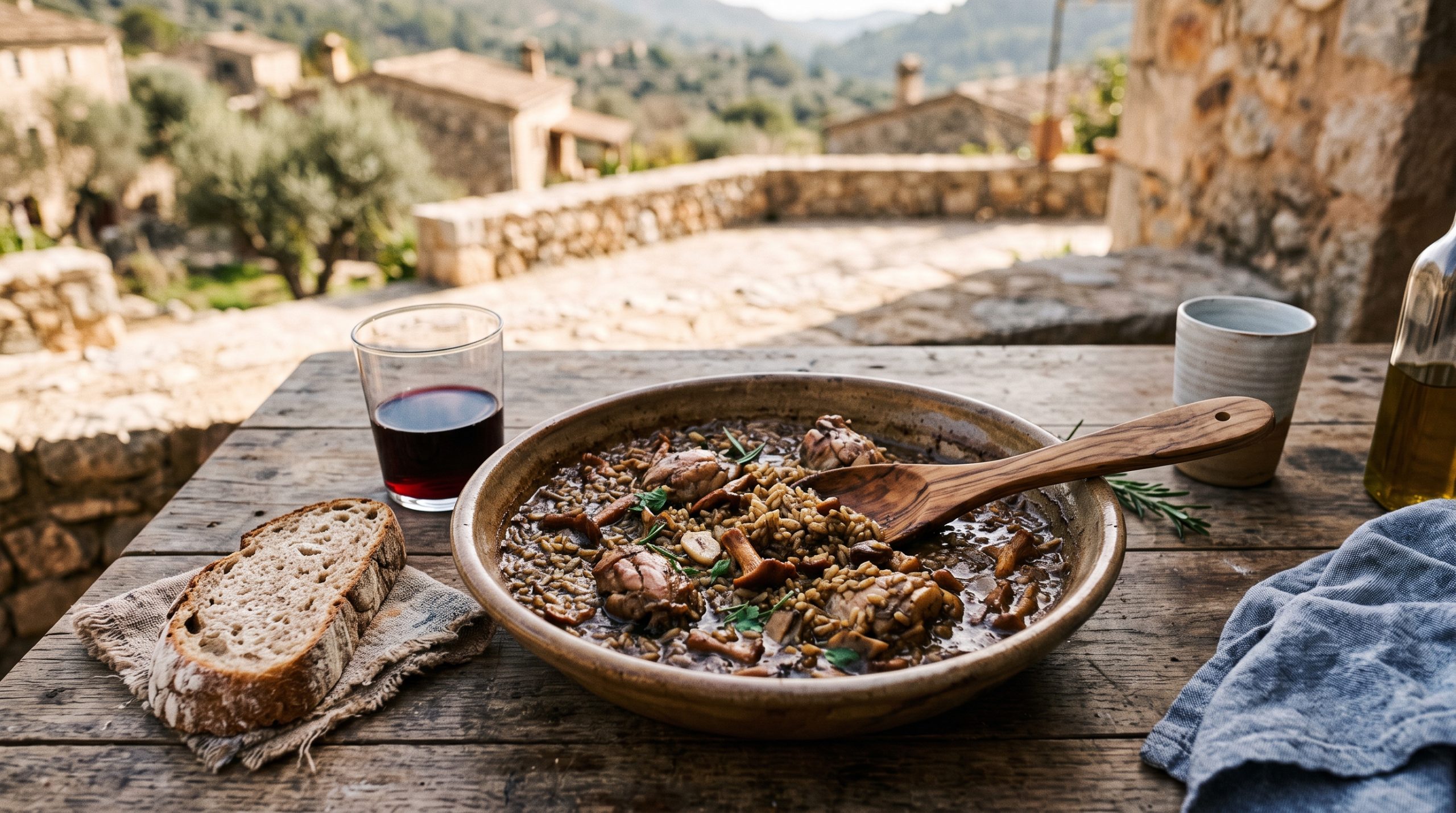
Literally dirty rice, named for its colour rather than anything else. A soupy rice cooked with rabbit, chicken, pork, snails, wild mushrooms and a heavy hand of spice, including cinnamon and clove, which is what marks it out from mainland rice dishes and gives it a faintly medieval quality.
It is winter food and inland food, traditionally cooked after a hunt, and it is served much wetter than a paella. The best versions are in the old cellers rather than in the seafront restaurants. If you see it on a menu in August, it is there for tourists.
5. Tumbet
The island’s vegetable dish and the one thing on this list a vegetarian can rely on. Layers of potato, aubergine and red pepper, each fried separately in olive oil, then stacked and baked under a plain tomato sauce. It is closer to a ratatouille in intent than in texture, since everything keeps its shape.
It appears as a side, as a main course, and topped with a fried egg or a piece of fish, and it is one of the few island staples that suits a table with a vegetarian at it. For the drinking side of the same larder, including the newer gin producers and how Palo and Herbes are made, see the Mallorca gin guide. Made properly it takes a long time, because frying each vegetable separately is the entire point and skipping it produces something muddy. A good tumbet is a reliable sign of a kitchen that is not cutting corners elsewhere.
6. Frit mallorquí
A fry-up of potato, red pepper, fennel and offal, usually lamb or pork liver and heart, cooked hard in oil with garlic. There is a seafood version, frit de peix, and a version made with the blood and organs of the pig after the annual slaughter. It is the most old-fashioned thing on this list and the one most likely to divide a table.
If offal is not your territory, the fish version is the way in and is genuinely excellent. If it is, order the lamb one in an inland restaurant rather than a tourist-facing kitchen, because this is a dish that suffers badly from being made cautiously.
7. Coques
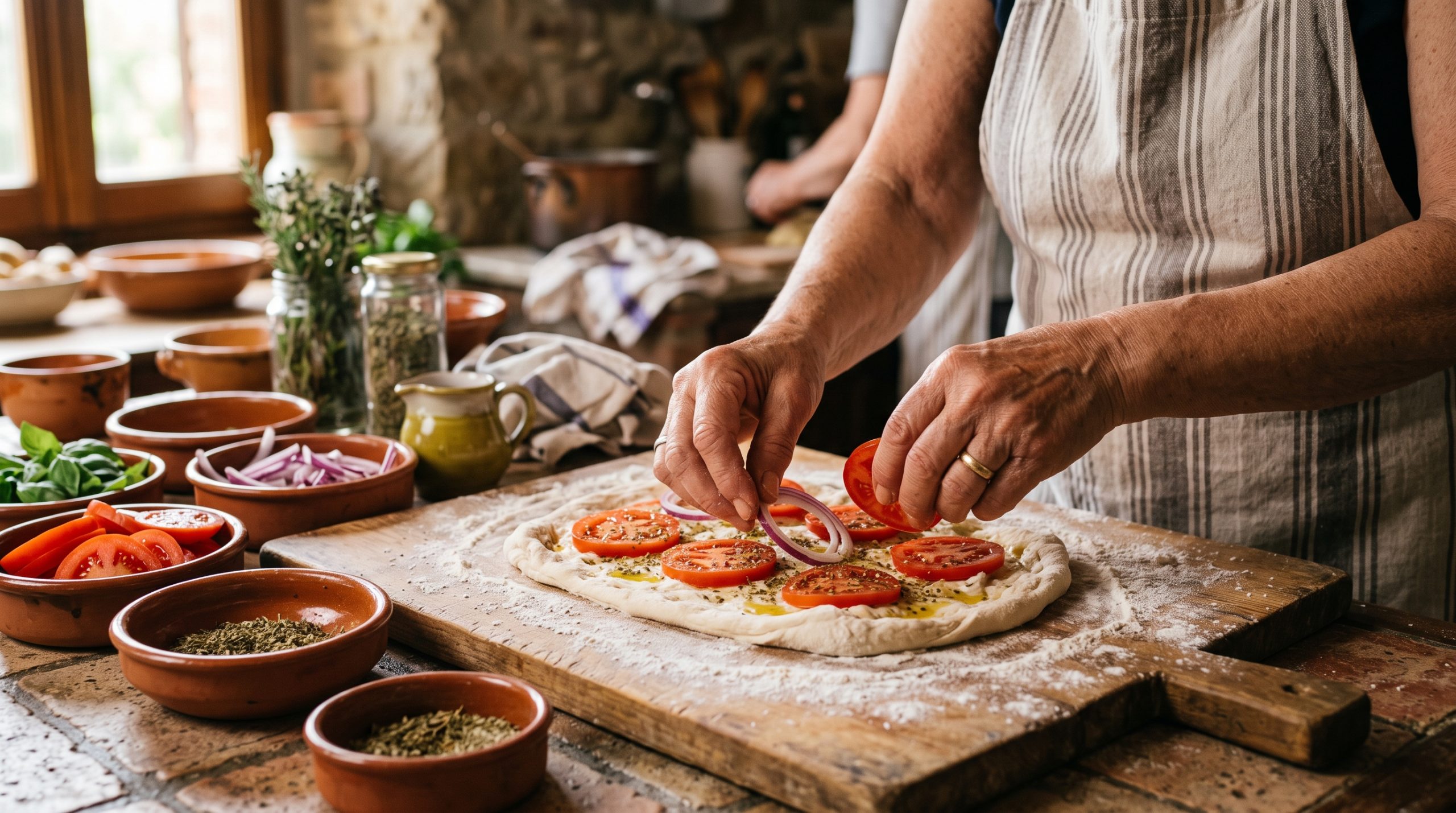
Mallorcan flatbreads, closer to a pizza base without cheese, topped and baked in a hot oven. The classic is coca de trampó, spread with the raw chopped salad of tomato, green pepper and onion that gives it its name, dressed in oil and baked until the edges char. There are also versions with onion and goat cheese, with chard, and sweet ones with apricot.
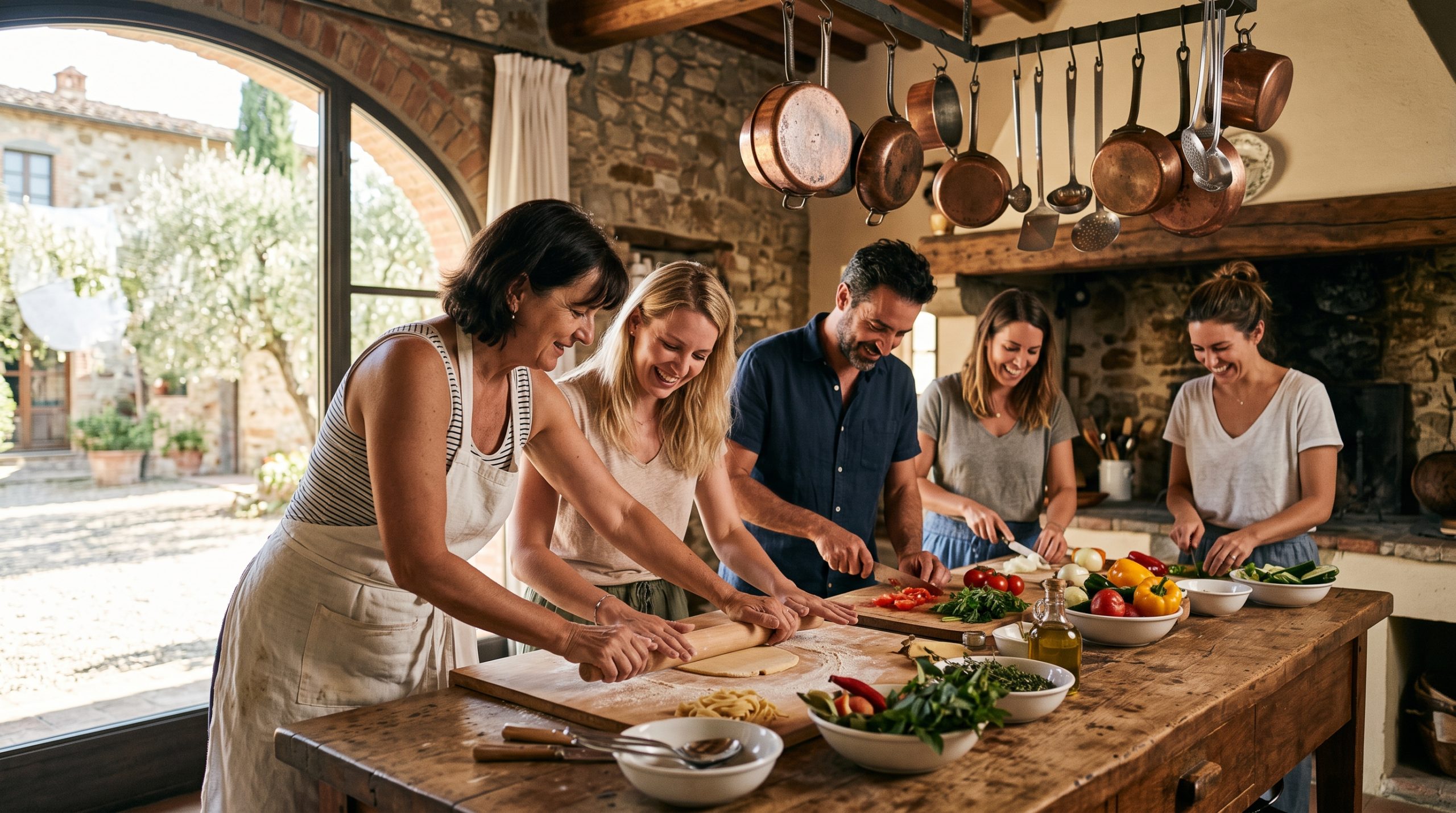
They are bakery food and street food rather than restaurant food, sold by the slice from the forns, and they are the cheapest good lunch in Palma by a wide margin. Making them is one of the things guests learn on our Olivar Market Tour and Tapas Class, because the dough is forgiving and the topping changes with whatever the market has.
8. Gáto d’ametla
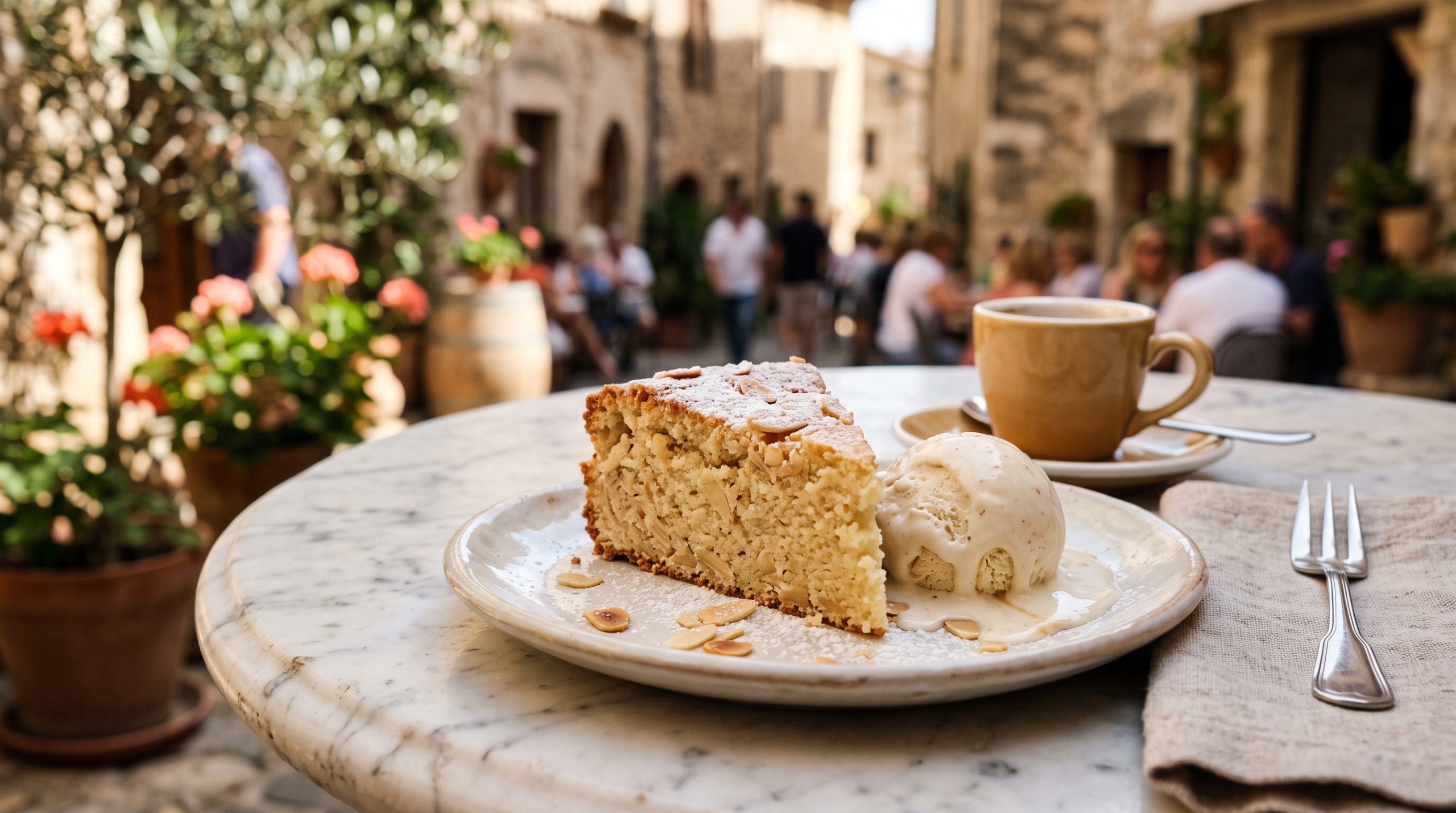
Almond cake, made with ground almonds instead of flour, lemon zest and a lot of eggs, which makes it naturally gluten free. Mallorca has grown almonds for centuries and the February blossom across the interior is one of the island’s set pieces, so this is a dessert with a landscape behind it.
It is dry on its own and it is meant to be. The standard service is a scoop of almond ice cream on top, which is how the old cellers send it out, and the combination is much better than either half. Order it after arròs brut and you have eaten a complete traditional Mallorcan meal.
Where to Eat in Palma

Palma is compact, and the difference between eating well and eating badly is mostly a matter of a few hundred metres. The tourist concentration runs along the Passeig del Born and the cathedral approach. Step out of that corridor in any direction and the quality rises while the price falls.
| Area | What it is good for | Worth knowing |
|---|---|---|
| Old Town, around Santa Eulàlia | Traditional bodegas, barrel wine, cheap plates | The highest concentration of genuinely old bars in the city |
| Sa Gerreria | Neighbourhood bars, pinchos, craft beer | The old craftsmen’s quarter. Evenings only for most places |
| La Llotja | Sit-down tapas, seafood | Busier and pricier. Book at weekends |
| Santa Catalina | Modern kitchens, its own market, international food | Fifteen minutes west of the centre. Least traditional |
| Passeig del Born | People watching | Where the prices are highest and the cooking most cautious |
| Portixol and Molinar | Seafront fish, long lunches | A twenty-minute walk or short bus east along the bay |
The timing matters as much as the location. Lunch is served from about 13:30 to 15:30 and most kitchens then close until 20:00 or later. Dinner service fills from 21:00. Arriving at 19:00 expecting a full menu is the single most common mistake visitors make, and Sunday and Monday closures are widespread. Our full rundown of individual bars, with what to order in each and what it costs, is in the Old Town tapas guide.
The Markets

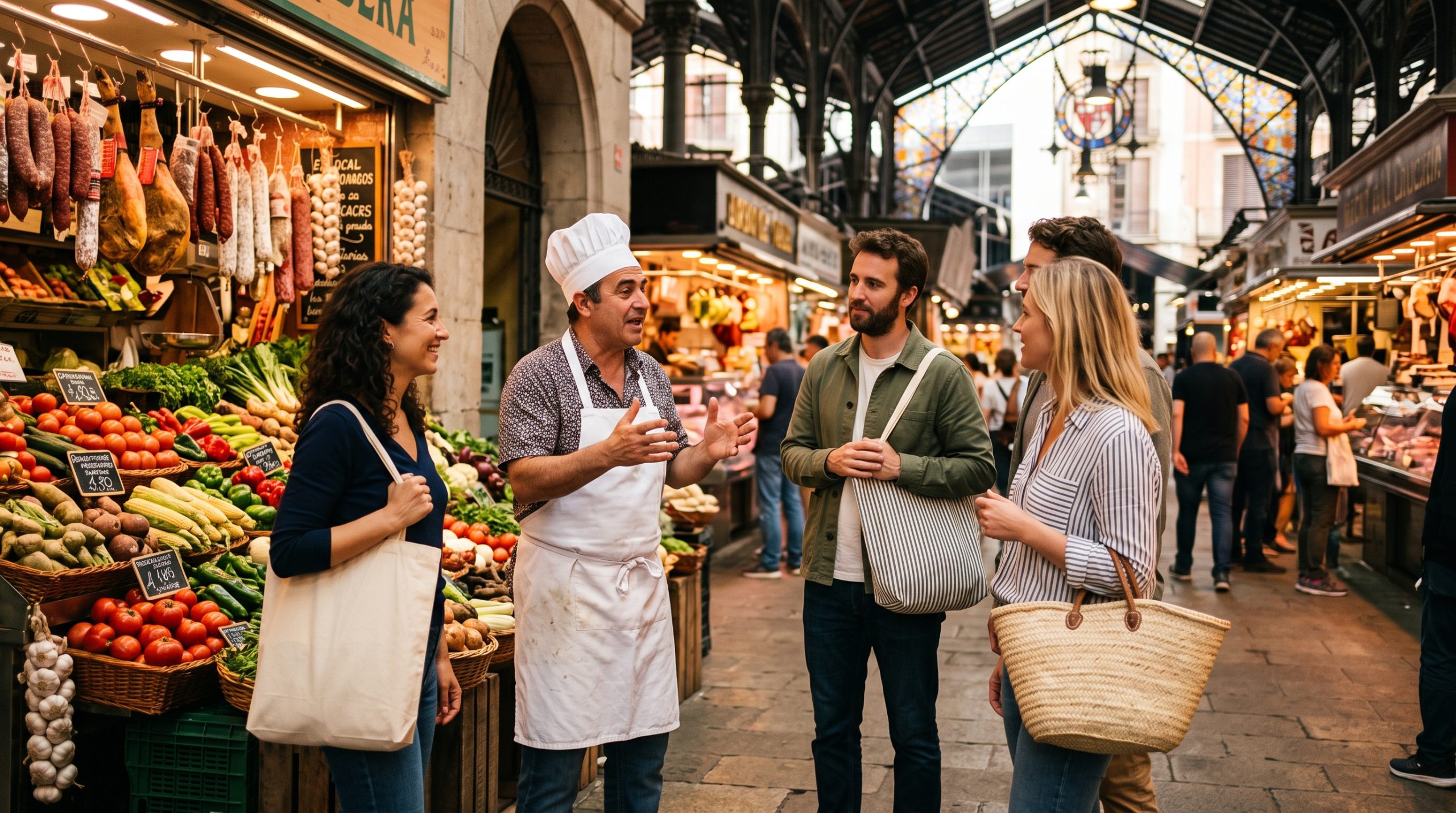
The Mercat de l’Olivar is the one that matters. It is where the city actually shops, and where most of what ends up on a Palma bar counter passes through first: fish and shellfish landed that morning, whole cured hams, sobrassada from a dozen producers, sheep cheeses, and vegetables from the huertos of the interior. Several stallholders are the third or fourth generation of the same family in the same spot.
Go in the morning. Stalls start winding down from around 13:00 and by mid-afternoon the good ones have gone, leaving the bar counters that stay open later. Those counters are worth a stop in their own right, since eating oysters and a glass of wine at a market bar at eleven in the morning is a normal thing to do here.
Santa Catalina’s market is smaller, more gentrified and better for a relaxed lunch than for shopping. The Mercat de Pere Garau, east of the centre, is the least visited and the most local of the three. If you want to be shown how the Olivar works rather than wandering it, that is where our market tour starts, before moving to the kitchen to cook what has been bought.
Inside A Tasting Palma Experience
Built on stories, ready for yours
Market tours, hands-on cooking and seated tastings of Mallorcan wine, gin and coffee, run in small groups from a 1920s Art Deco building in the Old Town.
From €35 · 60 minutes to 4 hours · Max 8 to 16 guests · Gift vouchers available
What to Drink
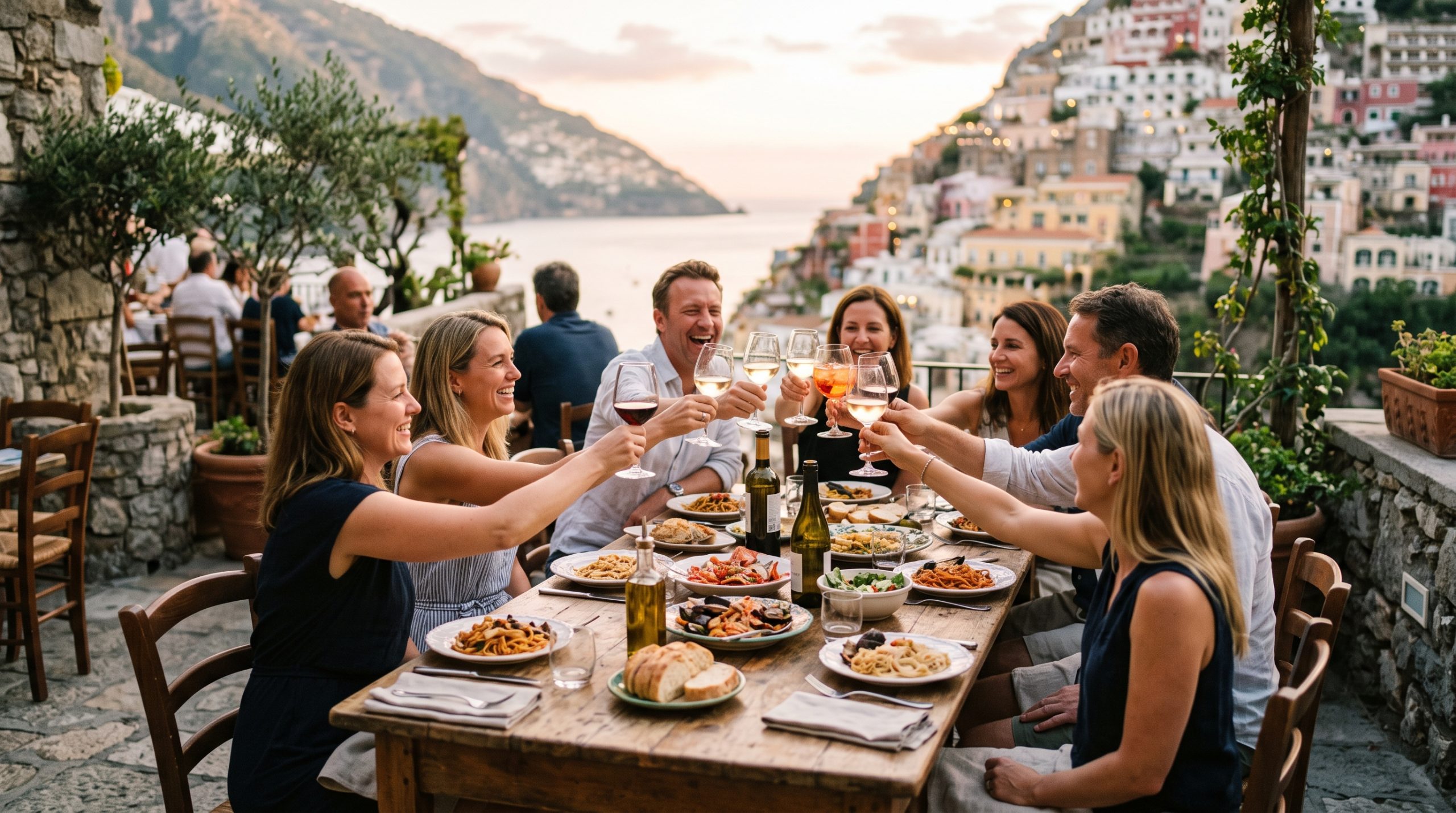
Mallorca grows grape varieties that exist almost nowhere else, and several were recovered from the edge of extinction within the last few decades. Most bars will pour you something from Rioja unless you ask, so asking is the whole trick.
Ask For These By Name
- Mantonegro — the light aromatic red of Binissalem, and the island’s signature grape.
- Prensal Blanc — also called Moll. Fresh, slightly saline white that suits everything on this page.
- Callet — rustic and earthy red, lower in alcohol than it tastes.
- Vermut — poured over ice with orange and an olive, before lunch. Not a fashion here.
- Palo de Mallorca — dark, bitter, quinine-based aperitif with protected status. Taken with soda.
- Herbes de Mallorca — anise and mountain herbs, drunk cold after eating. Sweet, mixed or dry.
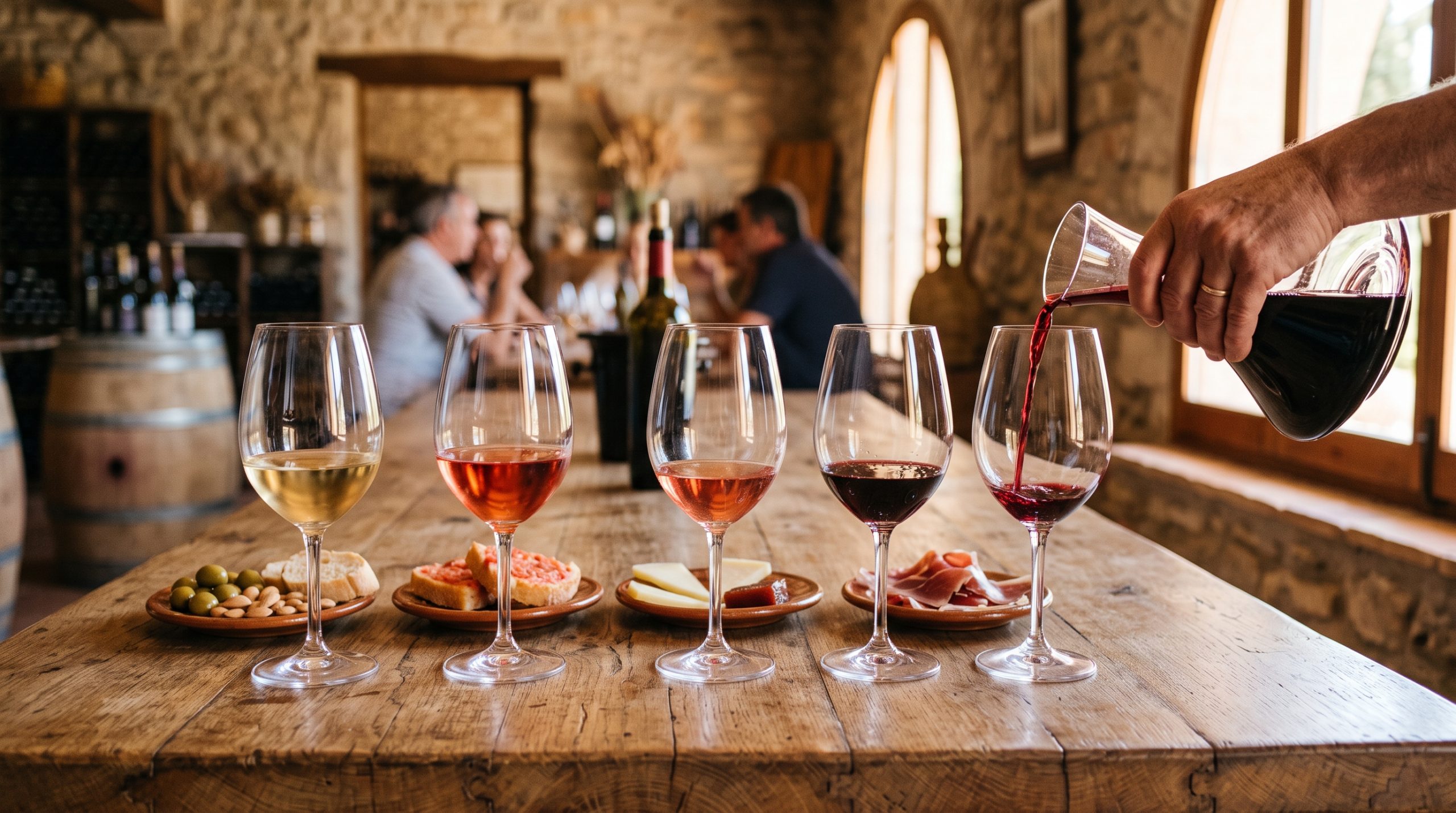
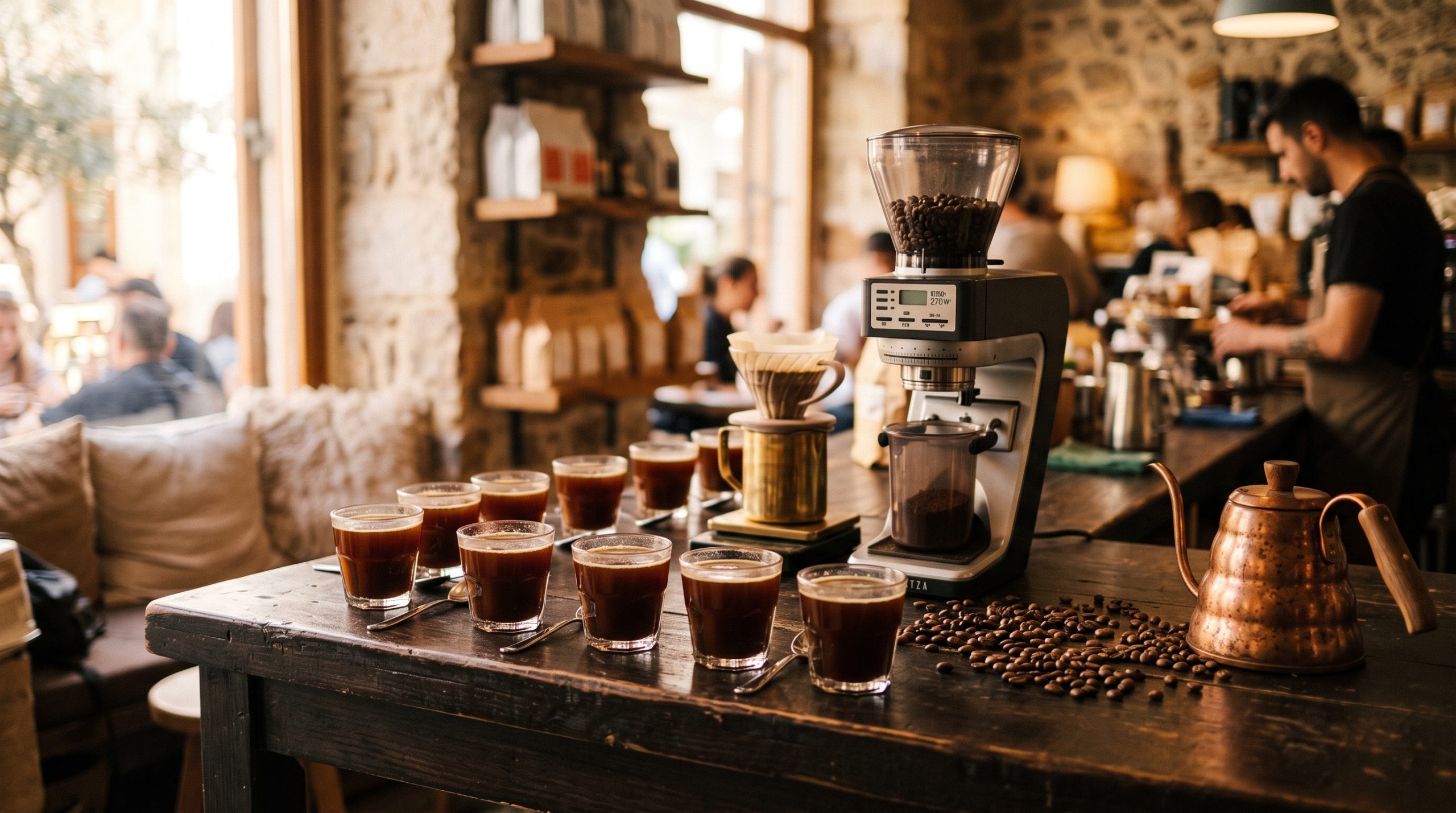
The wines are covered properly on our Mallorcan Wine Tasting, which works through five of these varieties with a winemaker’s account of how the recovered grapes were brought back. Coffee is its own tradition here too, with roasteries in Palma going back three quarters of a century.
How to Book a Food Tour in Palma
There are three broad formats in Palma and they suit different people. A walking food tour covers ground and gives you a shortlist you can return to alone. A market tour with a cooking class goes deeper on fewer things and sends you home able to make them. A seated tasting is the shortest commitment and the best option in the afternoon heat or between other plans.
| Experience | Length | Group | From |
|---|---|---|---|
| Speciality Coffee Tasting | 75 min | Max 10 | €35 |
| Mallorcan Gin Tasting | 60 min | Max 10 | €39 |
| Wine Tasting with Tapas | 90 min | Max 16 | €49 |
| Gourmet Palma Food Tour | 4 hours | Max 10 | €85 |
| Market Tour & Tapas Class | 4 hours | Max 8 | €129 |
A few practical points whoever you book with. Group size is the variable that matters most, because a tasting for thirty is a lecture and a tasting for eight is a conversation. Ask where the tour actually goes, since some operators visit places that pay for the footfall rather than places worth eating in. Tell them about allergies and dietary requirements when you book rather than on the day, because tasting menus are prepared in advance and cannot always be changed on arrival. And in July and August, check whether the tour runs in the evening, as the middle of a Palma afternoon is no time to be walking between bars.
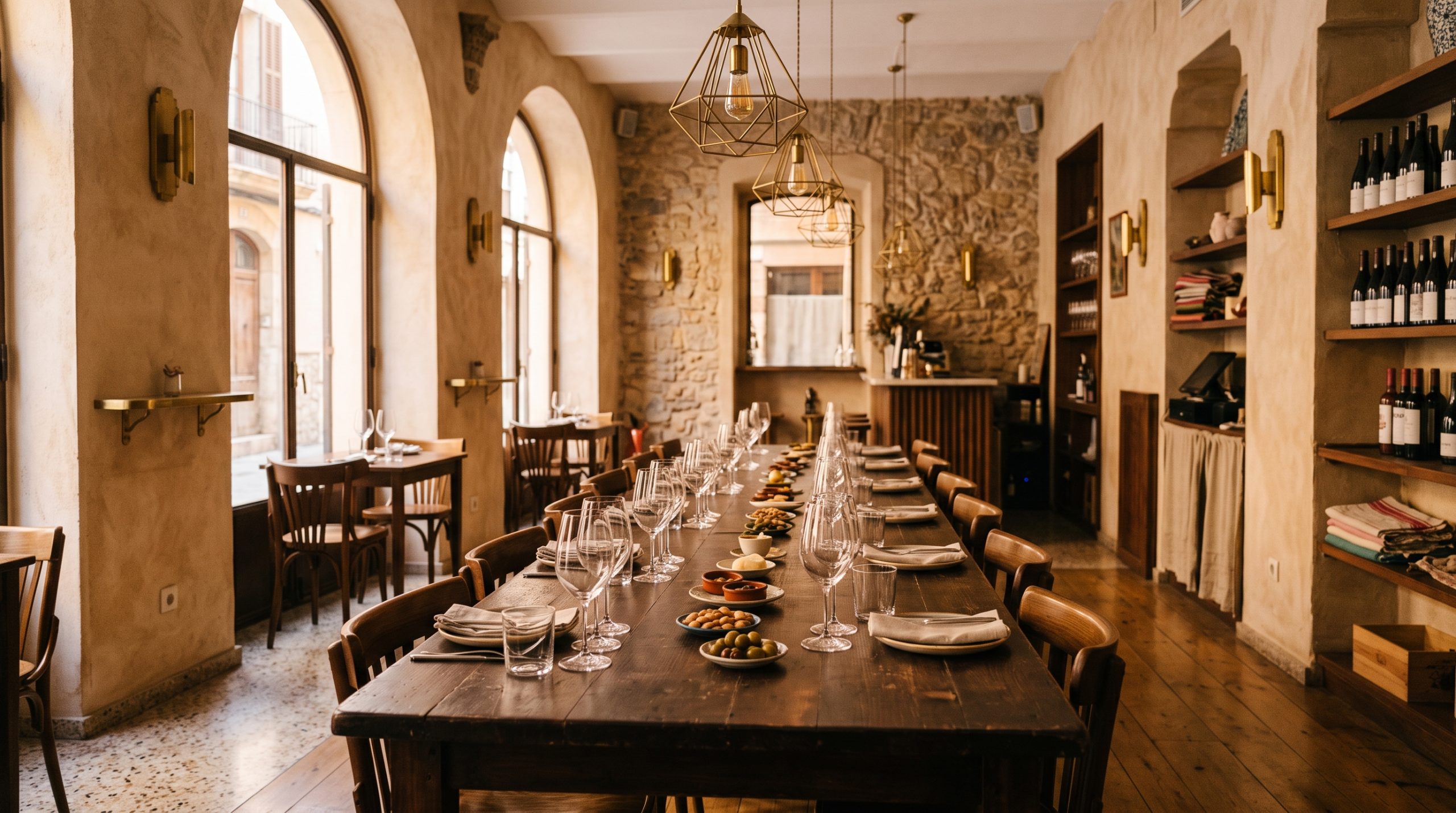
Our own experiences run from our room at Almacenes Casa Roca on Carrer dels Hostals, in the 1920s Art Deco building in the Old Town, apart from the market tour and food tour which start outside the Olivar. Private and corporate bookings can seat up to thirty-two guests, and the gift vouchers are valid for twelve months if you are buying for someone else.
Frequently Asked Questions
What Food Is Palma de Mallorca Known For?
Sobrassada, the soft spreadable cured pork sausage, and the ensaimada pastry are the two the island is best known for. Beyond those, the core dishes are pa amb oli, arròs brut, tumbet, frit mallorquí, the coca flatbreads and almond cake. Almost all of it reflects an island that had to preserve what it grew.
Where Are the Best Places to Eat in Palma?
The Old Town around Plaça Santa Eulàlia has the traditional bodegas, Sa Gerreria the neighbourhood bars, La Llotja the sit-down tapas restaurants, and Santa Catalina the modern kitchens. The Passeig del Born is where prices are highest and cooking most cautious, so walking five minutes off it improves both.
What Time Do People Eat in Palma?
Lunch runs from about 13:30 to 15:30, and it is the main meal. Most kitchens then close until 20:00 or later, with dinner service filling from 21:00. Arriving for dinner at 19:00 usually means an empty room and a limited menu. Sunday and Monday closures are common.
Is Palma Expensive for Food?
It varies more by street than by city. Two people can eat and drink well at a traditional Old Town bodega for around €30 to €45 in total, while a creative seafood-led kitchen will cost three times that. A slice of coca from a bakery is the cheapest good lunch available.
What Is the Best Market in Palma for Food?
The Mercat de l’Olivar, which is where the city genuinely shops for fish, cured meat, cheese and vegetables. Go in the morning, since stalls wind down from around 13:00. Santa Catalina’s market is smaller and better for lunch than shopping, and Pere Garau is the most local of the three.
Is a Food Tour in Palma Worth It?
It is most useful early in a trip, because it gives you a shortlist of places and dishes to return to on your own. The things worth checking before booking are group size, whether the itinerary visits places that pay for footfall, and whether summer tours run in the evening rather than the afternoon heat.
Can You Eat Vegetarian in Palma?
Yes, though traditional Mallorcan cooking leans heavily on pork. Tumbet, coca de trampó, pa amb oli with cheese and the vegetable-based salads are all naturally vegetarian. Note that a traditional ensaimada is made with pork lard and is not. Tell any tour or class about dietary requirements at the time of booking.
Eat With Us
Built on stories, ready for yours
Market tours, hands-on cooking classes and seated tastings of Mallorcan wine, gin and coffee, run in small groups from our room in the Old Town. From €35 per person.
See all experiencesPrivate and corporate groups up to 32 guests · Get in touch
Schreibe einen Kommentar