

At A Glance
The best wineries in Mallorca to visit sit mostly in the Binissalem wine country, 20 to 30 minutes from Palma, and several can be reached by train.
- Macià Batle, José L. Ferrer and Bodega Ribas are all near train stations on the Palma to Inca line.
- Winery tastings cost roughly €20 to €65 per person, and almost every winery asks you to book ahead.
- Most wineries stay open in winter but close on Sundays; José L. Ferrer runs Sunday tours and Vi Rei opens daily.
- Mallorca has two wine denominations, DO Binissalem and DO Pla i Llevant, built on native grapes such as Manto Negro and Callet.
- In Palma’s old town, Tasting Palma pours five Mallorcan wines with tapas in 90 minutes, from €49, with no driving.
Mallorca makes far better wine than most visitors expect, and the best wineries in Mallorca are closer to Palma than the beaches most people drive to. The heart of the island’s wine country is the Binissalem area, a band of towns and red-soil vineyards between Santa Maria del Camí and Binissalem, twenty to thirty minutes from the city, and the next cluster lies in the east around Manacor and Felanitx. We taste these wines every week at Tasting Palma, and the Mallorcan wine tasting in Palma is how many of our guests decide which bodega to visit next.
Taste five Mallorcan wines with tapas in Palma’s old town: 90 minutes, up to 16 guests, from €49.
Book the wine tastingEach winery visit has its own character: a three-hundred-year-old family estate, a modern cellar with a train ride through the vines, a mountain vineyard in the Tramuntana, an organic farm with an olive-grove walk. The details that change a day out, such as opening days, prices, booking rules and how to get there without driving, are collected for each one, along with which wineries open in winter. For the grapes and regions behind the bottles, the Mallorca wine guide goes deeper into each variety and how to order them.
Which Are the Best Wineries in Mallorca to Visit, and How Far Are They From Palma?
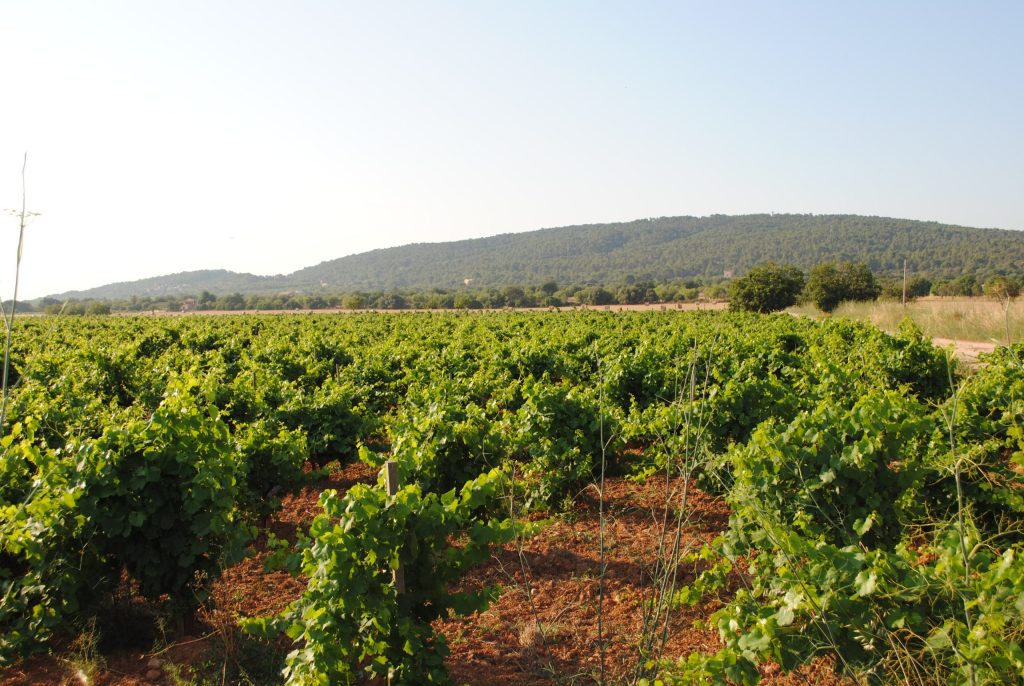
The eight wineries chosen here are the ones that combine good wine, a properly organised visit and clear booking, spread across the island’s wine areas so you can plan a route rather than a single stop. Four sit in the Binissalem wine country within half an hour of Palma, three of them close to stations on the Palma to Inca train line. Two are in the east, in Manacor and Llucmajor, and one is high in the Serra de Tramuntana, the most scenic drive but the longest from the city.
| Winery | Town | From Palma | Tasting from | Days open | By train? |
|---|---|---|---|---|---|
| Macià Batle | Santa Maria del Camí | approx. 20 min | €25 | Mon to Sat | Yes, Santa Maria |
| José L. Ferrer | Binissalem | approx. 25 min | €21.50 | Daily, Sunday tours | Yes, Binissalem |
| Bodega Ribas | Consell | approx. 25 min | On booking | Mon to Sat | Yes, Consell-Alaró |
| Tianna Negre | Binissalem | approx. 30 min | €45 | Mon to Fri | Station plus taxi |
| Son Prim | Sencelles | approx. 30 min | €20 | By booking | No |
| Miquel Gelabert | Manacor | approx. 45 min | €35 | Mon to Fri | No |
| Bodegas Vi Rei | Llucmajor | approx. 35 min | €15 | Daily | No |
| Vinyes Mortitx | Escorca | approx. 1 h 15 min | From about €30 | By booking | No |
Prices in the table are the starting price for a tasting at each winery, checked against the wineries’ own websites in November 2026. Most offer two or three levels, from a short tasting of three or four wines to a longer guided visit with food. Opening days are the general pattern for visits rather than every exception, and public holidays usually close the cellar doors, so it is worth confirming your date when you book. Drive times are approximate, from central Palma in normal traffic.
If you only have time for one, Macià Batle or José L. Ferrer give the clearest introduction to the Binissalem style, with structured tours, published prices and easy access by train. For a sense of history, Bodega Ribas is the island’s oldest family winery. For something more personal, Tianna Negre and Son Prim are smaller, more hands-on estates, and Vi Rei is the most family-friendly, with its little train through the vineyard.
1. Macià Batle in Santa Maria del Camí, the Easiest Winery to Reach by Train.
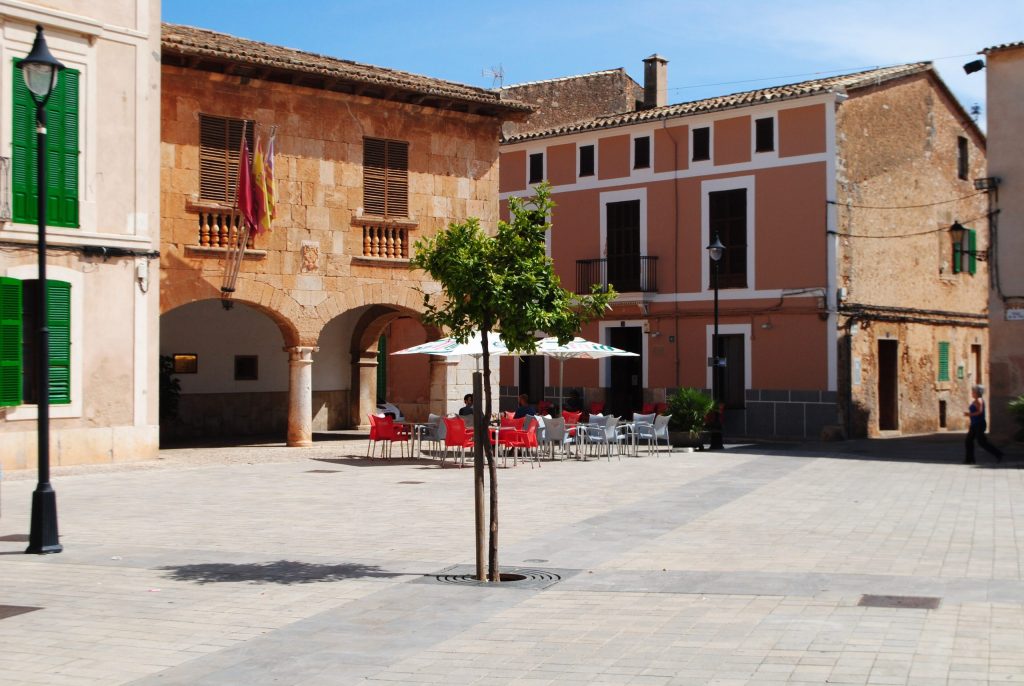
Macià Batle has made wine from its own vineyards in Biniali since 1856, and its current winery outside Santa Maria del Camí, on the Camí de Coanegra, was built in 1997. It is one of the most visited wineries on the island, and the visit is well organised: a tour of the fermentation, bottling, barrel and bottle-ageing areas, followed by five wines with Mallorcan oils, vinegars and pâtés. Tours run at 11:00, 12:00, 13:30, 15:00 and 16:00, with guides in Spanish, English, German, Swedish and Russian.
The full visit with tasting costs €28 for adults and €15 for ages ten to eighteen, with under-tens free, and a tasting of five wines without the tour costs €25. It opens all year but closes on Sundays and public holidays, and bookings are made online and only count once the winery confirms them by email or phone. Santa Maria station, on the Palma to Inca line, is a short walk away, which makes this the simplest winery visit on the island without a car.
2. José L. Ferrer in Binissalem, the Winery With Tours Every Day of the Week.
José L. Ferrer is the best-known name in Binissalem, a four-generation family winery whose oldest cellar dates from 1931, with expansions in 1960 and 1996 and a new winery added in 2016. Its wines are built on the native grapes of the DO Binissalem, including Manto Negro, Callet, Giró Ros, Moll and Gorgollassa, and every visit includes a guided tour of the winery before the tasting. The winery sits at the entrance to Binissalem, the town that gives the island’s oldest wine denomination its name.
The Mantonegro visit, around fifty minutes, pours four premium wines with oil, cheese, sausage and grape jam for €27.50, and the shorter Moll visit pours three wines with snacks for €21.50. Tours run Monday to Saturday at 11:00, 13:00 and 15:30, and on Sunday at 11:00 and 13:00, which makes Ferrer the only winery in this list with regular Sunday tours. Booking is required by phone on +34 971 100 100 or by email, and Binissalem station is on the Palma to Inca train line.
3. Bodega Ribas in Consell, the Oldest Family Winery in Mallorca.
Bodega Ribas in Consell has made wine since 1711, which makes it the oldest family winery on the island, and the estate still centres on its eighteenth-century house, Ses Cases de Ca’n Ribas, with a modern extension designed by the architect Rafael Moneo in 2019. Manto Negro is the flagship grape, and the Ribas de Cabrera red is made from the estate’s oldest Manto Negro vines. The wines are labelled under the IGP Vi de la Terra Mallorca rather than a DO.
The shop and tasting room open Monday to Saturday from 10:00 to 18:00, with wine by the glass on the patio, and guided visits with a tasting in the garden or the old house are by appointment only, booked online or on +34 971 62 26 73. Visits outside the usual hours can be arranged on request. Consell-Alaró station, on the Palma to Inca line, serves the town, and the drive from Palma takes around twenty-five minutes on the Ma-13.
4. Tianna Negre in Binissalem, an Organic Estate With an Olive-Grove Walk.
Tianna Negre farms more than fifty-five hectares of organic vineyards on the edge of Binissalem and works with an unusually wide range of native grapes, including Manto Negro, Callet, Gorgollassa, Escursac, Prensal Blanc and Giró Ros. Its visits go beyond the cellar: both tastings include a walk through the olive grove with an extra virgin olive oil tasting, a tour of the vineyard and winery, and a stop in the herb garden for a vermouth. Groups are capped at fifteen and guides speak Spanish, English and German.
The Premium Visit and Tasting costs €45 and lasts around two hours, and the Visit and Gourmet Tasting costs €65 for three hours. Visits run Monday to Friday only, and in winter, from November to March, the wine bar and shop open Monday to Thursday from 09:00 to 17:00 and Friday until 16:00, closing at weekends. Book online or on +34 971 886 826. From Binissalem station it is a short taxi ride rather than a walk.
5. Son Prim in Sencelles, a Small Family Winery With Flexible Tastings.
Son Prim is a family winery in Sencelles, in the DO Binissalem area, that makes its wines only from its own grapes, with a focus on Merlot, Cabernet Sauvignon and Syrah and a white wine pressed from Merlot. It is a quieter, more personal visit than the bigger Binissalem names, and the tastings are flexible enough to suit a short stop or a long, slow afternoon. Hosts speak Spanish, Catalan, English and German, and the estate sits among the vineyards outside the village.
A one-hour wine tasting costs €20, a premium tasting with the barrel room €35, a tasting with a Mallorcan spread €40, and the full premium tasting with spread and winery visit €55 for two hours. Book online when you are more than forty-eight hours ahead, or by WhatsApp on +34 658 524 573 for later bookings, with free cancellation up to forty-eight hours before. There is no train station in Sencelles, so allow around thirty minutes by car or taxi from Palma.
6. Miquel Gelabert in Manacor, a Cellar Tour in the Heart of Pla i Llevant.
Miquel Gelabert is one of the founding wineries of the DO Pla i Llevant, registered as winery number three, and has made wine since 1985 from nine hectares spread across eleven small plots around Manacor, Felanitx and Petra. Production is small, around forty to forty-five thousand litres a year, and the visit takes place in the centre of Manacor rather than in the vineyards, which cannot be visited. The highlight is the underground cellar built in 1909.
The visit with tasting costs €35 per person and lasts around ninety minutes, usually pouring six or seven wines with homemade snacks. It runs Monday to Friday by advance reservation only, through the winery’s web form or on +34 971 82 14 44. Manacor is around forty-five minutes from Palma on the Ma-15, which makes it a natural stop on a day trip east combined with a visit to the town’s market or the coast.
7. Bodegas Vi Rei in Llucmajor, a Family-Friendly Visit With a Vineyard Train.
Bodegas Vi Rei sits on the Cap Blanc road outside Llucmajor, with a hundred hectares of vines mostly planted in 2012, growing native Premsal Blanc, Manto Negro, Giró Ros and Callet alongside international varieties. It is the most family-friendly winery visit on the island, because the vineyard tour runs on a small train, and the range of tastings is broad enough to suit first-timers and enthusiasts alike, from a short contrast tasting to cheese, Iberian ham and chocolate pairings.
A guided visit with tasting costs €20, the vineyard train visit with tasting €25, and specialist tastings run from €15 to €40. Vi Rei opens every day from 10:00 to 18:00 and closes only on 25 December and 1, 2 and 6 January, which makes it the most reliable winter choice in this list. Book through the winery’s online shop. Llucmajor is around thirty-five minutes from Palma by car, and the winery lies on the road towards Cap Blanc.
8. Vinyes Mortitx in Escorca, the Mountain Vineyard of the Serra de Tramuntana.
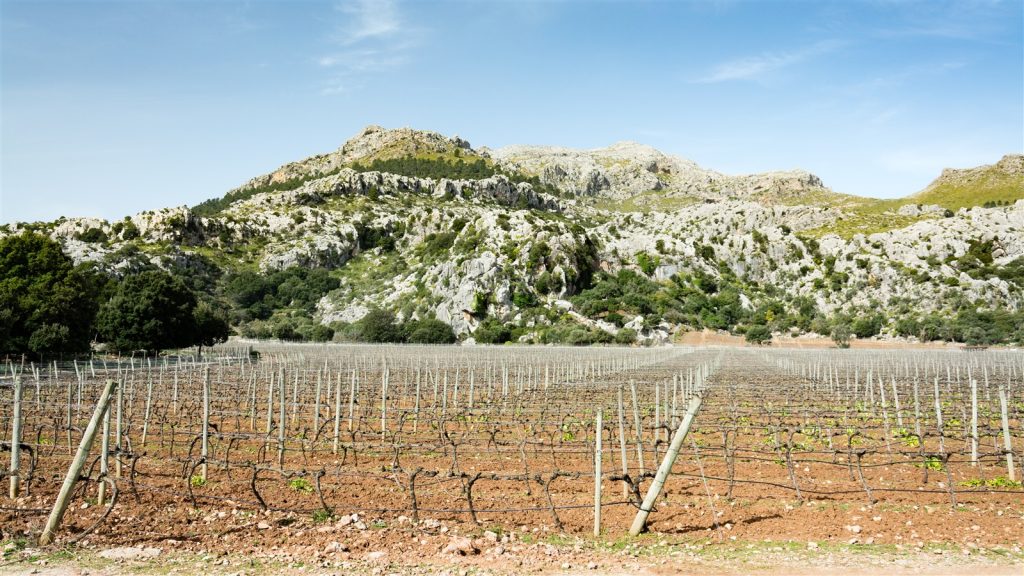
Vinyes Mortitx is the wildest winery setting on the island, a mountain vineyard founded in 2001 on the road between Pollença and Lluc, in the Serra de Tramuntana. The fourteen hectares of vines sit at around four hundred metres among limestone ridges, and the cooler mountain climate shows in fresh, aromatic wines. It is not a quick stop: the drive from Palma takes well over an hour, but it combines naturally with a day in the mountains, the monastery at Lluc or the north coast around Pollença.
Visits are booked through the winery’s online form, by phone on +34 971 53 38 89 or by WhatsApp, and they are for over-eighteens only. Tastings start from about €30 per person, and opening times vary with the season, so book before setting out rather than turning up. If you are driving to Mortitx, choose a tasting with spittoons in mind or bring a non-drinking driver, because the mountain roads to and from Lluc are narrow and winding.
What Are Mallorca’s Wine Regions, and Which Native Grapes Should You Taste?
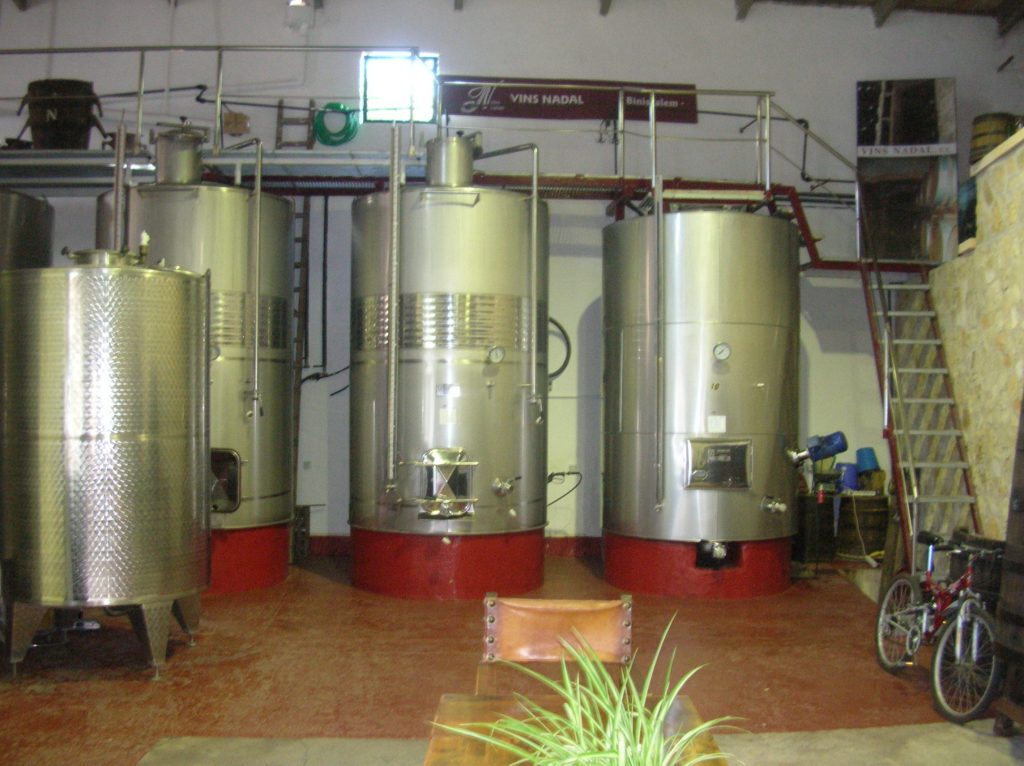
Mallorca has two protected wine denominations. The DO Binissalem, recognised in 1990 and the island’s oldest, covers five municipalities in the centre of the island: Santa Maria del Camí, Consell, Binissalem, Santa Eugènia and Sencelles. Its red wines must contain at least thirty per cent Manto Negro, the island’s signature red grape, and its whites are built on Moll, the local name for Prensal Blanc, and Giró Ros. The rules are set by the DO Binissalem regulatory council, which also promotes the wine route through its towns.
The DO Pla i Llevant, founded in 1999, covers nineteen municipalities across the east and south of the island, including Manacor, Felanitx and Llucmajor, on lower, flatter land with a warmer climate. Many of the island’s most interesting producers, however, label their wines as IGP Vi de la Terra Mallorca, a broader island-wide category created in 2007 that gives winemakers more freedom with grape varieties and blends. Around eighty-four wineries now work under that label, and it is pushing to become a full DO.
The grapes are what make Mallorcan wine worth seeking out. Manto Negro gives light, aromatic reds; Callet is earthier and more rustic; Prensal Blanc makes fresh, slightly salty whites; Giró Ros brings body and golden colour. Rarer varieties such as Gorgollassa and Escursac were close to disappearing a generation ago and have been recovered by a handful of families, and tasting them side by side is the quickest way to understand why the island’s wine has become so interesting.
Mallorcan grapes worth tasting
- Manto Negro (red): the signature grape of Binissalem, light and highly aromatic.
- Callet (red): rustic and earthy, often blended with Manto Negro.
- Prensal Blanc or Moll (white): fresh, easy-drinking and slightly saline.
- Giró Ros (white): a recovered variety with body, golden colour and ripe fruit.
- Gorgollassa and Escursac (red): rare, recovered grapes with floral, fresh profiles.
You will meet most of these grapes in a single tasting at any of the wineries in this list, and at our table in Palma, where the five wines we pour come from a fifth-generation family that has spent years bringing forgotten varieties back into production. Learning them before a winery visit helps you choose which bodega suits your taste, and it makes ordering at dinner far easier, because the same names appear on restaurant wine lists across the island.
Which Mallorca Wineries Are Open in Winter, and When Do You Need to Book?
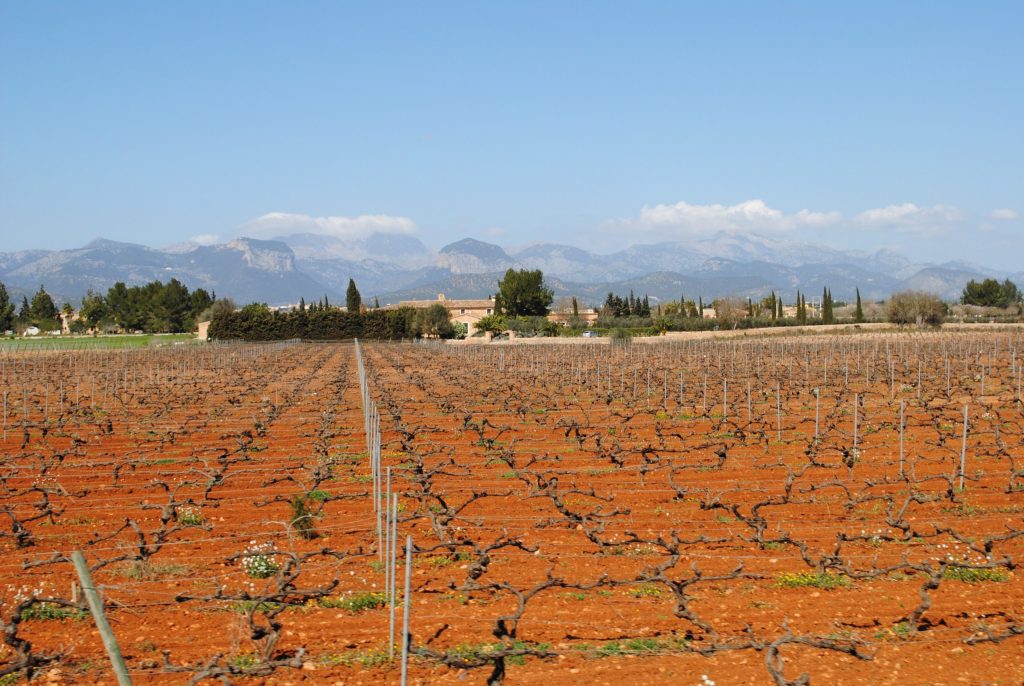
Mallorca’s wineries do not close for winter in the way that many beach restaurants do. Macià Batle opens all year from Monday to Saturday, José L. Ferrer keeps its daily tour schedule including Sundays, and Bodegas Vi Rei opens every day from 10:00 to 18:00, closing only on Christmas Day and three days in early January. Tianna Negre switches to shorter winter hours from November to March, and smaller wineries such as Son Prim, Miquel Gelabert and Vinyes Mortitx work by appointment all year.
Winter is in many ways the best time to visit. The vineyards are pruned and quiet, the light is clear, the cellar is where the action is, and you are far more likely to have a guide’s attention to yourself than in the busy months of May, June and September. The one thing to watch is Sunday: most wineries close on Sundays and public holidays, so plan weekend visits around Ferrer and Vi Rei, and check the dates of holidays such as 6 January before setting out.
Almost every winery asks you to book in advance, and for some, such as Macià Batle, a booking only counts once it has been confirmed. A few days’ notice is usually enough outside summer, while Son Prim asks for forty-eight hours if you want to book online and Tianna Negre caps groups at fifteen. Walk-in visits are the exception rather than the rule, so treat booking as part of planning the route rather than an afterthought.
Winter winery planning in Mallorca
- Open every day: Bodegas Vi Rei (closed 25 December and 1, 2 and 6 January).
- Sunday tours: José L. Ferrer at 11:00 and 13:00.
- Monday to Saturday: Macià Batle and the Bodega Ribas shop and tasting room.
- Weekdays only: Tianna Negre and Miquel Gelabert.
- Book ahead: almost every winery requires a reservation, especially for guided tours.
If the weather turns, or you simply want to taste without the travel, a city tasting is the obvious alternative. Our wine tasting runs indoors in Palma’s old town all through the winter, with five wines and five tapas in ninety minutes, and it is a good way to decide which winery is worth the drive before committing a day to it, especially for visitors staying only a few nights in the city.
When Is the Best Month for Wine Tasting in Mallorca, and Which Wine Festivals Should You Plan Around?
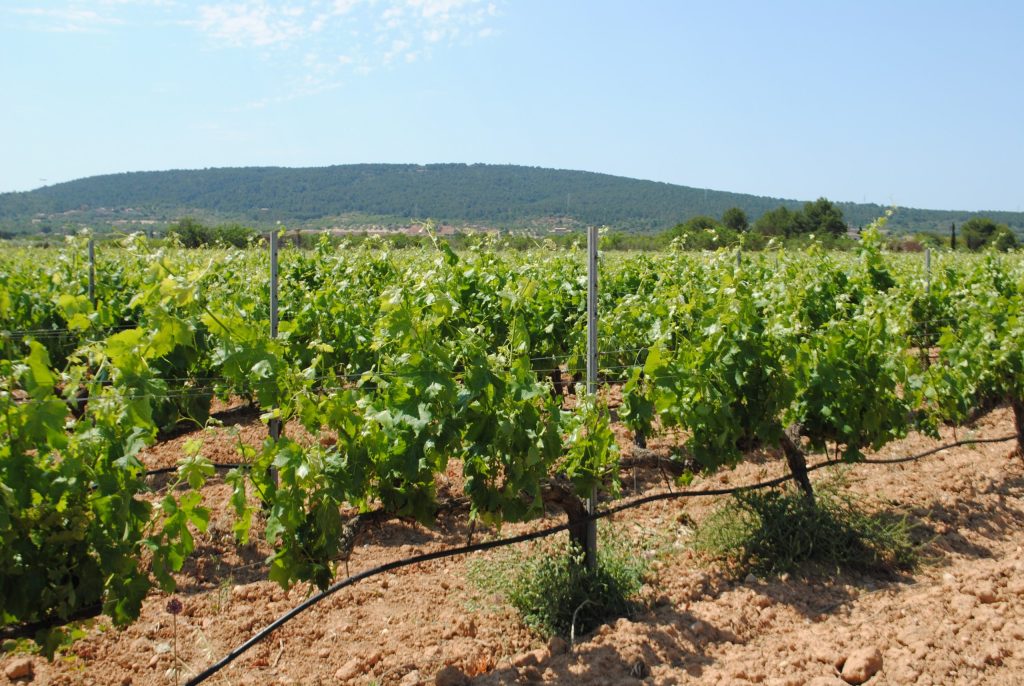
The best months for wine tasting in Mallorca are September and October, when the harvest is under way, the towns hold their wine festivals and the cellars are at their busiest and most atmospheric. Spring, from April to early June, is the other favourite, with green vineyards, mild weather and fewer crowds than high summer. July and August can be very hot inland, and while the wineries stay open, the middle of the day is better spent in a cool cellar than walking the vines.
| When | Event | Where |
|---|---|---|
| September | Festa des Vermar, the harvest festival, 60th edition in 2026 | Binissalem |
| October | Fira del Vi, wine fair alongside the autumn fair | Consell |
| October | Raïm Wine Fest, with dozens of island wineries | Palma |
| November | Noviembre Enológico wine programme | Manacor, DO Pla i Llevant |
| November to March | Quiet season: open cellars, pruned vines, easy bookings | Island-wide |
Binissalem’s Festa des Vermar is the biggest wine event of the year, running through most of September with tastings, music and the famous grape battle, and in 2026 it celebrated its sixtieth edition. October brings the Fira del Vi in Consell and the Raïm Wine Fest in Palma, which gathers dozens of wineries in a single day, and in November the DO Pla i Llevant promotes a month of wine events around Manacor. Dates move slightly from year to year, so check the town halls’ programmes before booking travel.
Winter has no big wine fairs, but it has its own advantages: smaller groups, unhurried guides, and the chance to taste last year’s wines in the cellar while this year’s ferment. If your trip falls between November and March, plan two winery visits on weekdays, keep Sunday for José L. Ferrer or Vi Rei, and fill an evening with one of the Tasting Palma experiences in the old town, so the whole stay has wine in it without depending on the weather.
How Can You Visit Mallorca’s Wineries Without a Car, and Without Drinking and Driving?
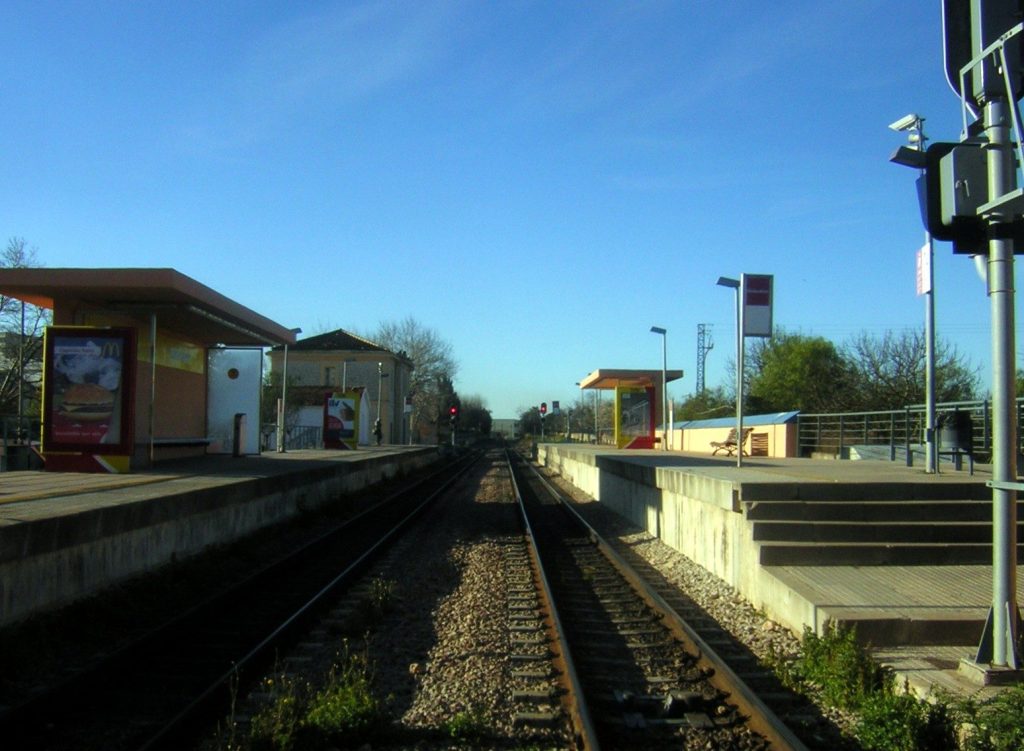
The Palma to Inca train is the wine lover’s best friend. Lines T1, T2 and T3 leave Palma’s Estació Intermodal and call at Santa Maria, Consell-Alaró and Binissalem on the way to Inca, a journey of around half an hour end to end. Macià Batle is a few minutes’ walk from Santa Maria station, José L. Ferrer sits at the entrance to Binissalem, and Bodega Ribas is in Consell, so a single train ticket can cover two wineries in a day with a lunch in Binissalem in between.
For wineries away from the line, such as Tianna Negre, Son Prim, Vi Rei or Miquel Gelabert, a taxi from the nearest station or from Palma is the practical choice, and several wineries can recommend local drivers when you book. Organised wine tours from Palma are another option, combining two or three bodegas with transport, and they are worth the extra cost if the group would otherwise need a designated driver for the whole day.
Driving between tastings is the one thing to avoid. Spain’s drink-drive limit is 0.5 grams of alcohol per litre of blood, lower than the UK’s, and lower still for new drivers, which a couple of generous pours at two wineries will easily exceed. Use the spittoon if you are driving, share the driving, or let the train and a taxi take the strain, and buy bottles to drink later rather than finishing every glass on the day.
And if a day in the countryside does not fit your trip, the wine can come to you. In Palma’s old town, Tasting Palma pours five island wines with tapas from a family winemaker, a fifteen-minute walk from most central hotels, so the only journey afterwards is to dinner. Many guests do both: a tasting in the city at the start of the stay, then a winery visit once they know which grapes they like.
Where Can You Taste Mallorcan Wine in Palma Without Leaving the City?
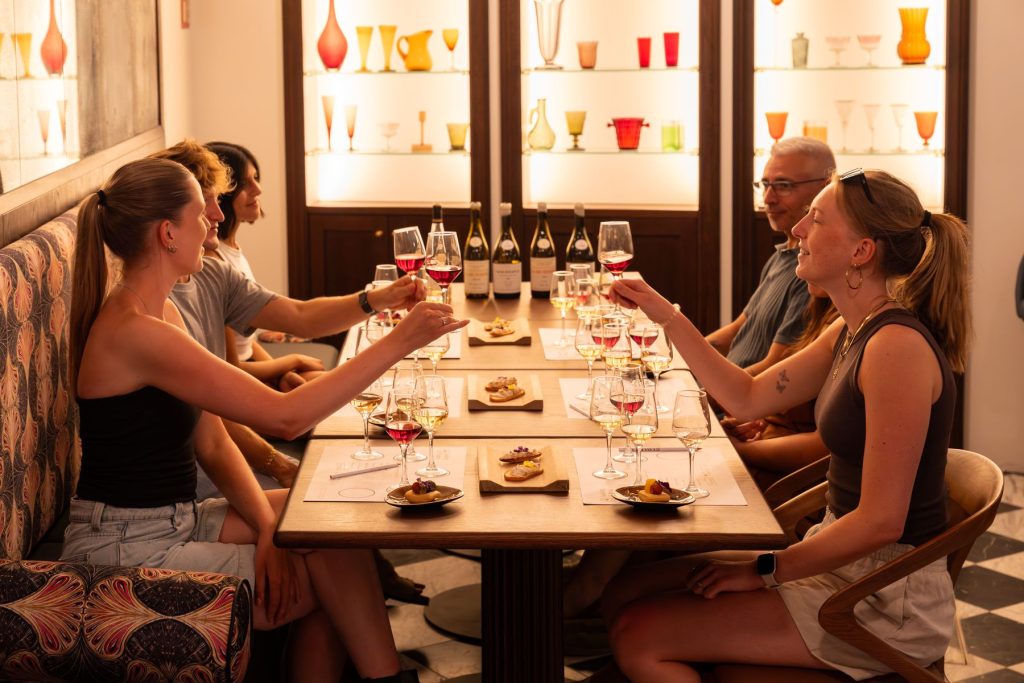
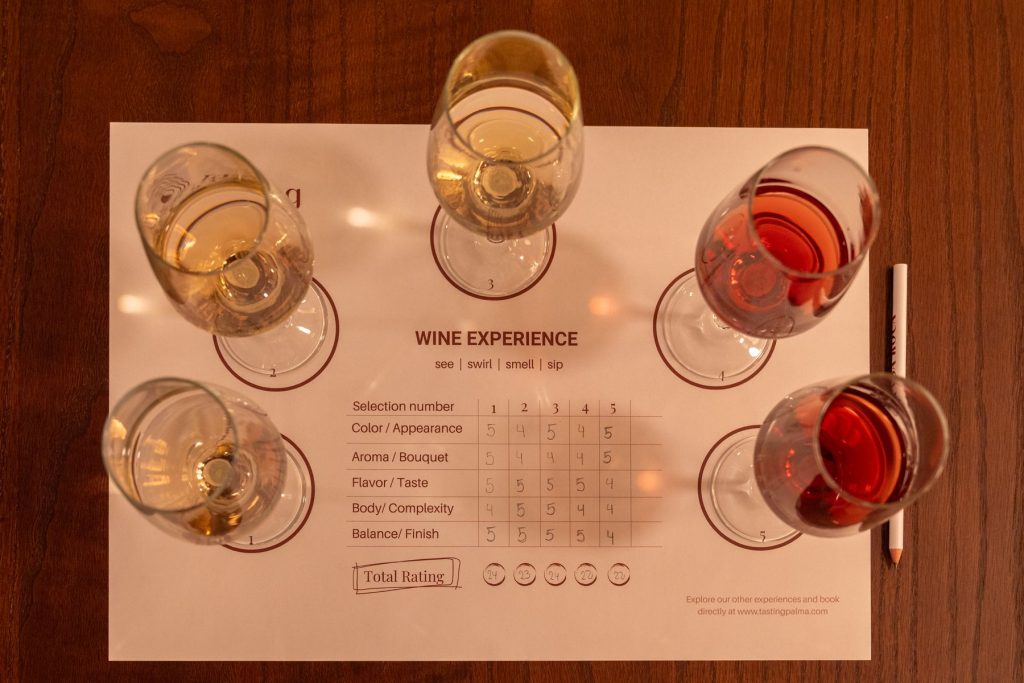
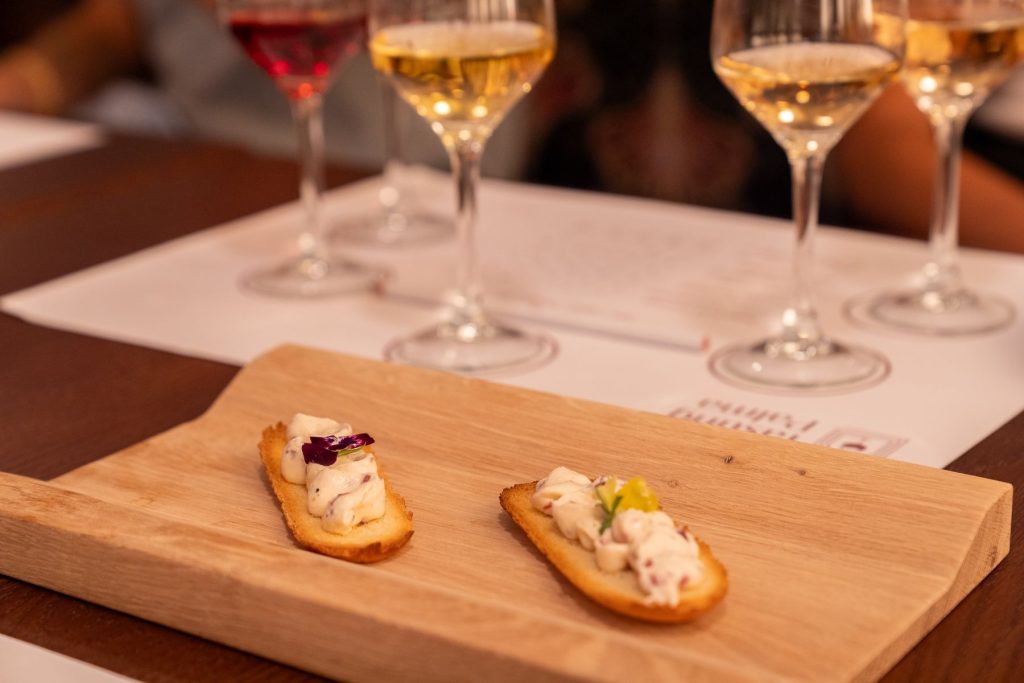
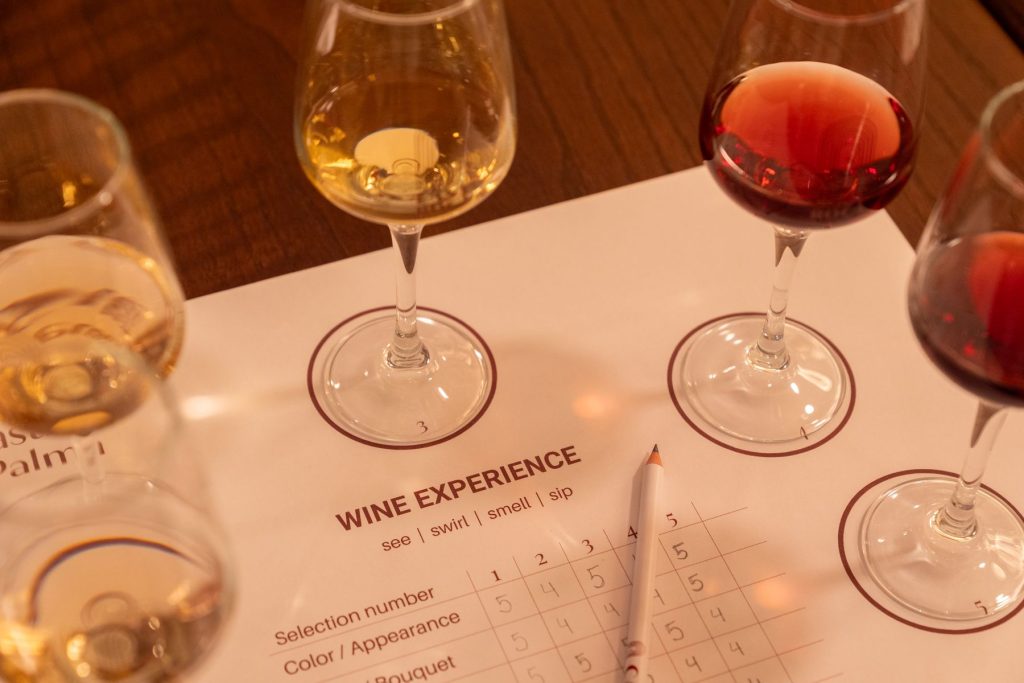
Tasting Palma’s Mallorcan wine tasting with tapas takes place in our tasting room at Casa Roca, Calle Hostals 27, in the heart of the old town. Over ninety minutes we pour five wines, in fifty millilitre measures, made by Tomeu Llabrés, a fifth-generation island winemaker, and each wine comes with its own tapa. The session covers Binissalem and Pla i Llevant, the family behind the vineyard and their work recovering forgotten native grapes, and guests score every wine on a tasting mat as they go.
Depending on the vintage, the wines include Manto Negro, Prensal Blanc, Callet, Giró Ros, a Blanc de Noirs from the rare Mantonegro Cabellis clone, and recovered reds such as Escursac and Gorgollassa. Groups are capped at sixteen, it is for over-eighteens only, and it costs from €48.99 per person, usually €59. Bottles are available to buy afterwards, from around €9.45 for a rosat to around €27 for a Manto Negro, so you can take home the wine you liked best.
Taste Mallorca in Palma
Mallorcan Wine Tasting with Tapas in the Old Town.
Five island wines from a fifth-generation winemaker, each with a tapa. 90 minutes, up to 16 guests, from €48.99 per person, at Casa Roca in Palma’s old town.
Book the wine tastingOr book by phone: +34 871 264 166 · experience@tastingpalma.com
The same room hosts private tastings and company events. Teams and private groups of up to sixteen can book the wine tasting exclusively, and bespoke events for up to thirty-two seated guests can add a gin and tonic masterclass, a chef-led market tour or a paired dinner, which makes it a popular choice for team building, client hospitality and Christmas celebrations in Palma. Details of private group and corporate wine tastings are on our groups page, and every experience is also available as a gift voucher, valid for twelve months.
If you would rather keep exploring on your own, Palma itself is a good place to drink Mallorcan wine: most good restaurants list several island bottles, and knowing the grapes makes it easy to order well. Our guide to where to eat in Palma covers the dishes that pair best with them, from sobrasada and pa amb oli with a glass of Prensal Blanc to tumbet and arròs brut with a Manto Negro red.
How Much Does a Winery Visit or Wine Tasting in Mallorca Cost Per Person?
A winery tasting in Mallorca typically costs between €20 and €65 per person, depending on how many wines are poured, whether a guided tour is included and what food comes with it. Short tastings of three or four wines start around €20 to €25, as at Son Prim, Vi Rei and José L. Ferrer, while full guided visits with five wines and local produce run from about €28 to €35, as at Macià Batle and Miquel Gelabert. The longest gourmet visits, such as Tianna Negre’s three-hour tasting, reach €65.
The visit itself is rarely the biggest cost of the day. A taxi to wineries away from the train line, lunch in a wine town and the bottles you buy to take home often add more, so it is worth planning the route and the budget together. Children are welcome at several wineries, with reduced or free prices for under-eighteens at Macià Batle and José L. Ferrer, while others, such as Vinyes Mortitx and Tianna Negre’s tastings, are designed for adults. If you are buying for someone else, a Tasting Palma gift voucher covers the wine tasting in Palma and stays valid for twelve months.
Typical costs for a wine day in Mallorca
- Winery tasting: roughly €20 to €65 per person.
- Train from Palma: the cheapest way to Santa Maria, Consell and Binissalem.
- Bottles to take home: island wines from around €9 to €30 at the cellar door.
- City tasting in Palma: five wines with tapas at Tasting Palma from €49, no transport needed.
For travellers flying home, wine is one of the easiest Mallorcan souvenirs to carry, unlike cured meats and cheese, which face strict rules in some countries. Pack bottles in checked luggage, wrapped in clothing or a wine sleeve, and check your airline’s allowance. Our guide to food gifts to buy in Mallorca covers what else travels well, and which island products are worth the space in your suitcase.
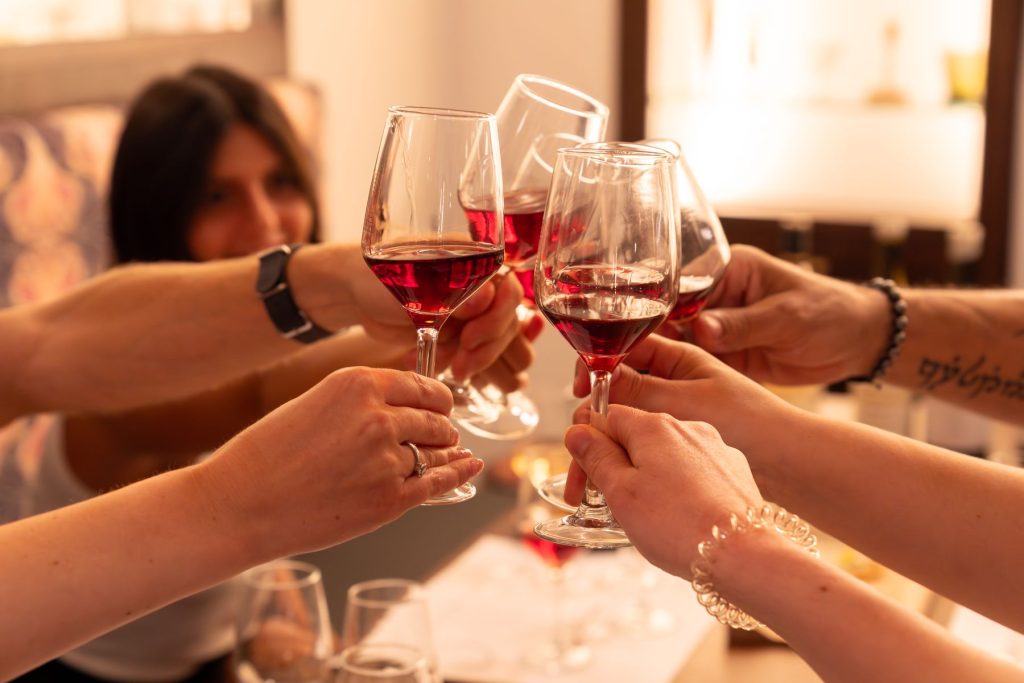
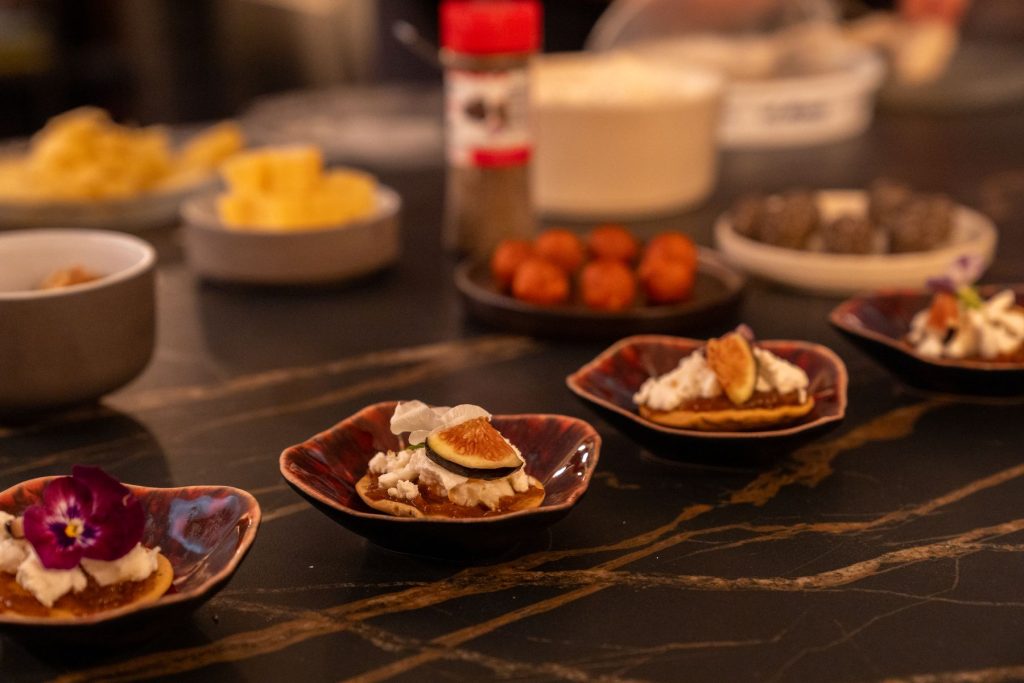
Inside Our Tasting Room
Mallorcan Wine Tastings at Tasting Palma.
Five island wines, five tapas and a host who knows every bottle, in our old town tasting room at Casa Roca, Palma.

What Do Visitors Ask About Mallorca’s Wineries and Wine Tasting?
Planning a wine trip raises the same handful of questions every time, from which bodega to choose to whether anything is open on a Sunday in January. The answers to the most common ones are collected here, based on the wineries’ own published opening times and prices. If you are still deciding where to start, a tasting in Palma is the easiest first step before driving out to the vineyards.
What Are the Best Wineries to Visit in Mallorca?
Macià Batle in Santa Maria del Camí, José L. Ferrer in Binissalem and Bodega Ribas in Consell are the best first visits, with organised tours and easy access by train from Palma. For smaller, more personal visits, try Tianna Negre or Son Prim, and for a family day out, Bodegas Vi Rei near Llucmajor.
What Wine Is Mallorca Famous For?
Mallorca is known for reds made from Manto Negro and Callet and fresh whites from Prensal Blanc, all native grapes grown almost nowhere else. The island has two denominations, DO Binissalem and DO Pla i Llevant, plus the wider IGP Vi de la Terra Mallorca.
Do You Need to Book a Winery Visit in Mallorca?
Yes, almost always. Most wineries require a reservation for tours and tastings, and some, such as Macià Batle, only accept a booking once they confirm it. A few days’ notice is usually enough outside the summer.
What Month Is Best for Wine Tasting in Mallorca?
September and October, during the harvest and wine festivals such as Binissalem’s Festa des Vermar, are the liveliest months. Spring is quieter and mild, and winter is the easiest time to book, with smaller groups at most wineries.
Are Mallorca’s Wineries Open in Winter?
Yes. Most stay open from November to March, usually Monday to Saturday. Bodegas Vi Rei opens daily except 25 December and 1, 2 and 6 January, and José L. Ferrer runs Sunday tours. Tianna Negre and Miquel Gelabert open on weekdays.
Can You Visit Mallorca’s Wineries Without a Car?
Yes. The Palma to Inca train stops at Santa Maria, Consell-Alaró and Binissalem, close to Macià Batle, Bodega Ribas and José L. Ferrer. For other wineries, take a taxi or a guided wine tour, or taste Mallorcan wines in Palma’s old town at Tasting Palma.
What Is the Oldest Winery in Mallorca?
Bodega Ribas in Consell, founded in 1711, is the oldest family winery on the island. Its flagship wines are made from Manto Negro, including the Ribas de Cabrera red from its oldest vines.
How Much Does a Wine Tasting in Mallorca Cost?
Winery tastings usually cost €20 to €65 per person, depending on the number of wines, the tour and the food. In Palma, Tasting Palma’s wine tasting with five wines and five tapas costs from €48.99 per person.
Where Can You Do a Wine Tasting in Palma?
Tasting Palma runs a Mallorcan wine tasting with tapas at Casa Roca, Calle Hostals 27, in the old town: five wines from a fifth-generation island winemaker, each with a tapa, in 90 minutes, for up to 16 guests.
Book Your Tasting
Taste Five Mallorcan Wines in Palma’s Old Town.
The easiest way to explore Mallorcan wine: five island wines with tapas, 90 minutes, up to 16 guests, from €48.99 per person. Private group and company tastings for up to 32 guests on request.
Book the wine tastingOr book by phone: +34 871 264 166 · experience@tastingpalma.com
Image credits, via Wikimedia Commons: vineyards on the central plain, Santa Maria del Camí, the winter vineyard and the Binissalem winery cellar by Rotget (CC BY-SA 3.0 and 4.0); Binissalem station by Chixoy (CC BY-SA 3.0); Vinyes Mortitx by Christoph Strässler (CC BY-SA 2.0). Tasting photographs taken at Tasting Palma. Winery prices, opening days and booking details were checked against the wineries’ own websites in November 2026 and can change; confirm with each winery before visiting.
Leave a Reply